
The Santo Ildefonso Church
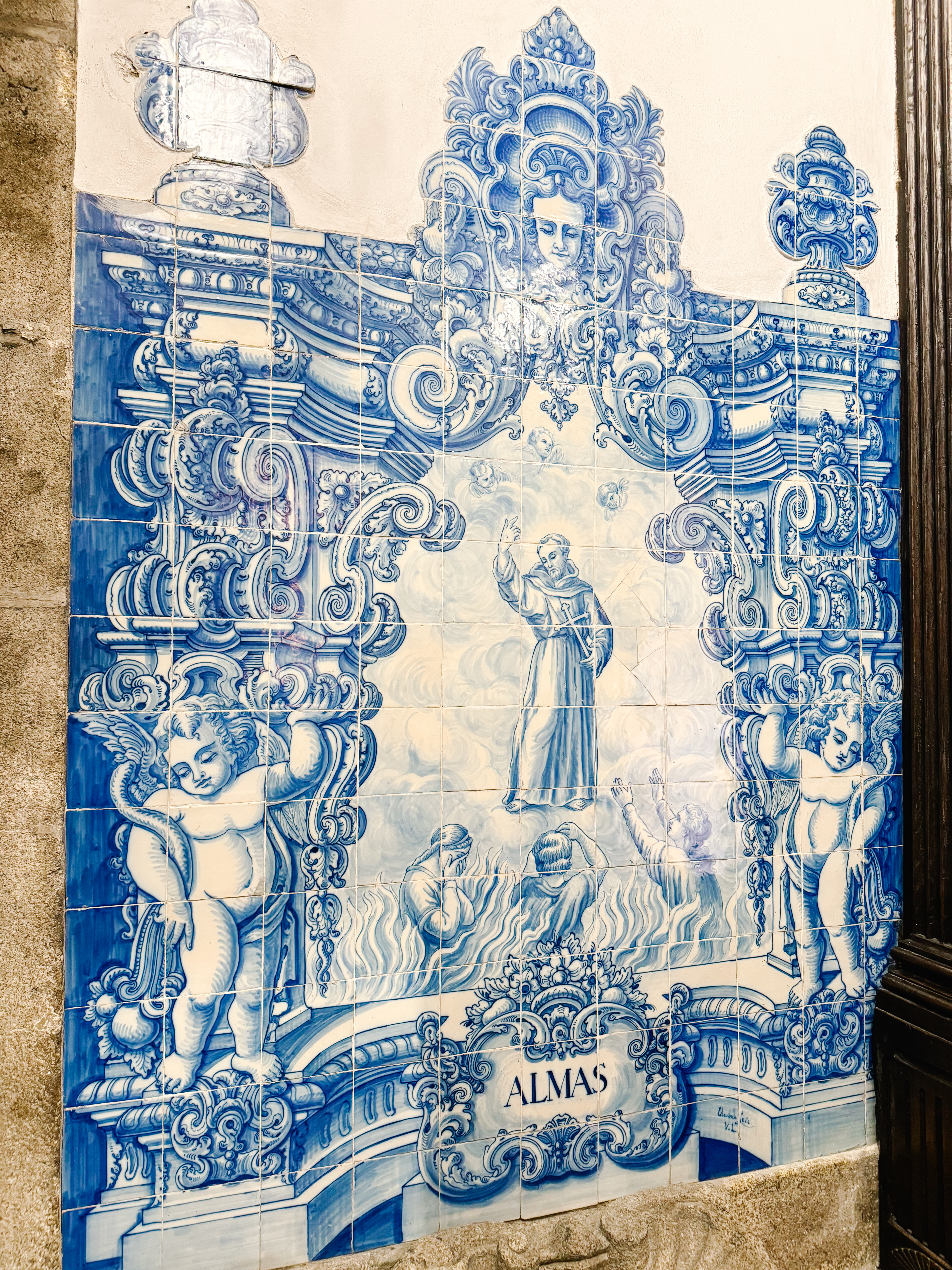
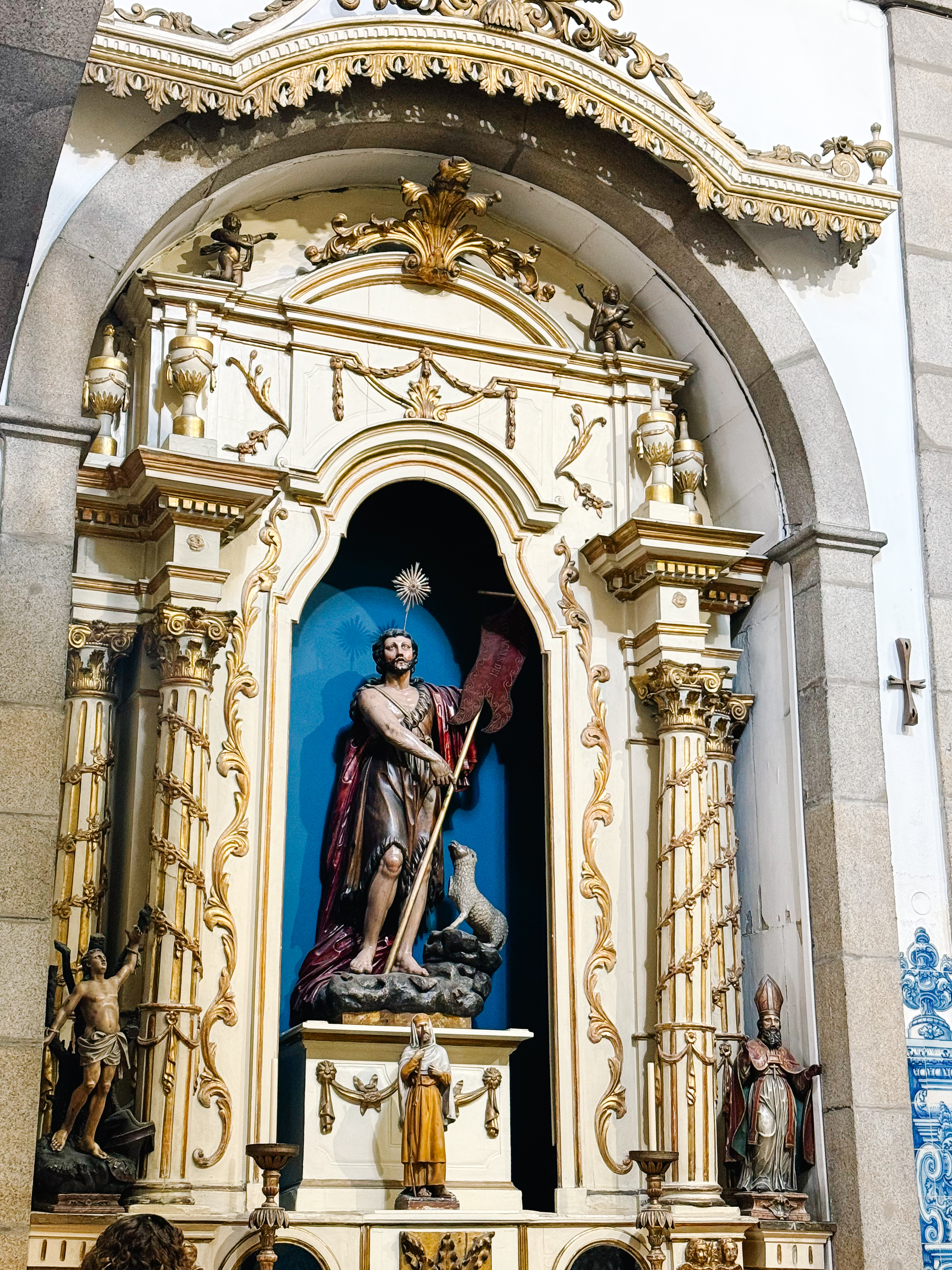
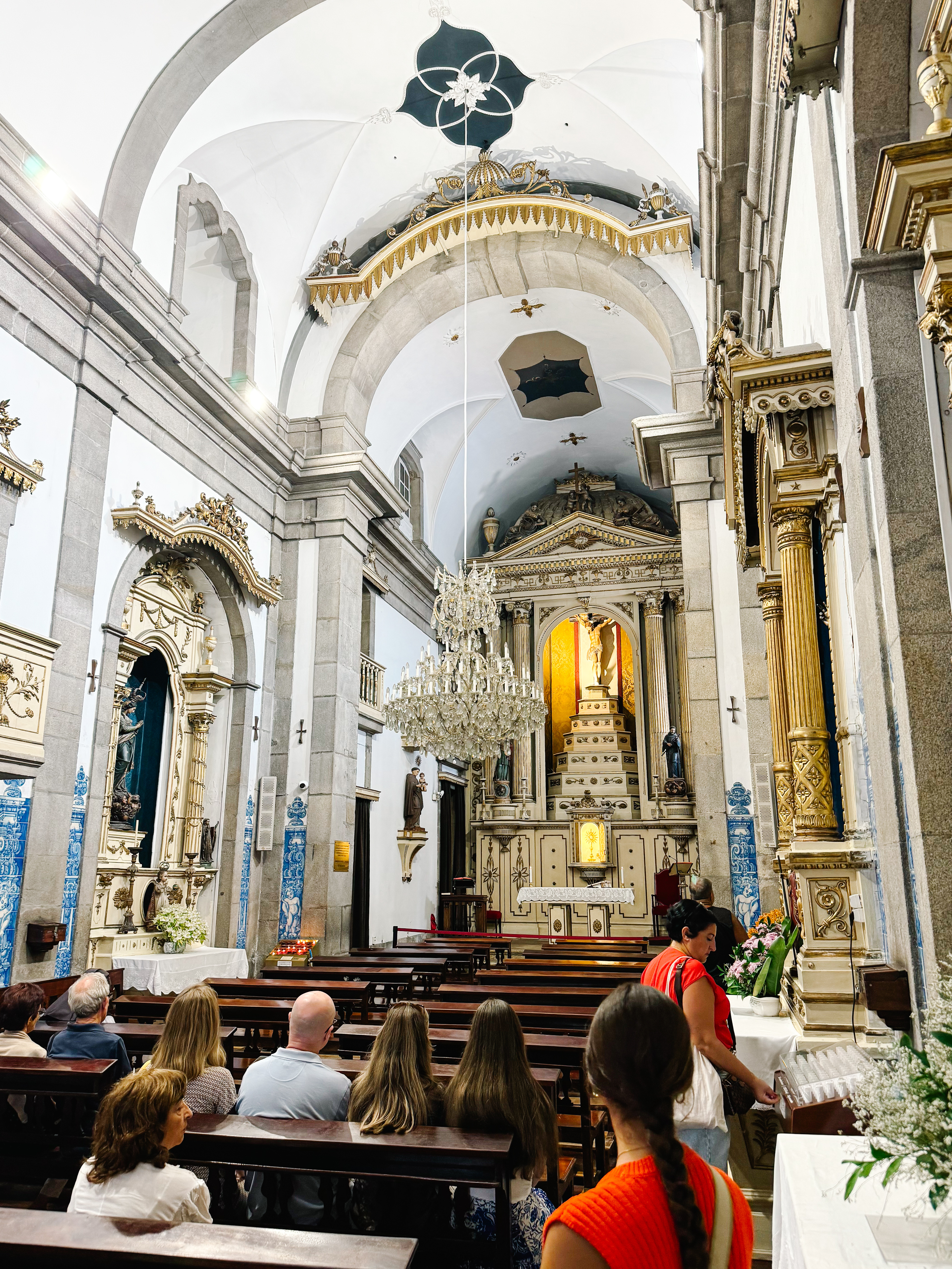
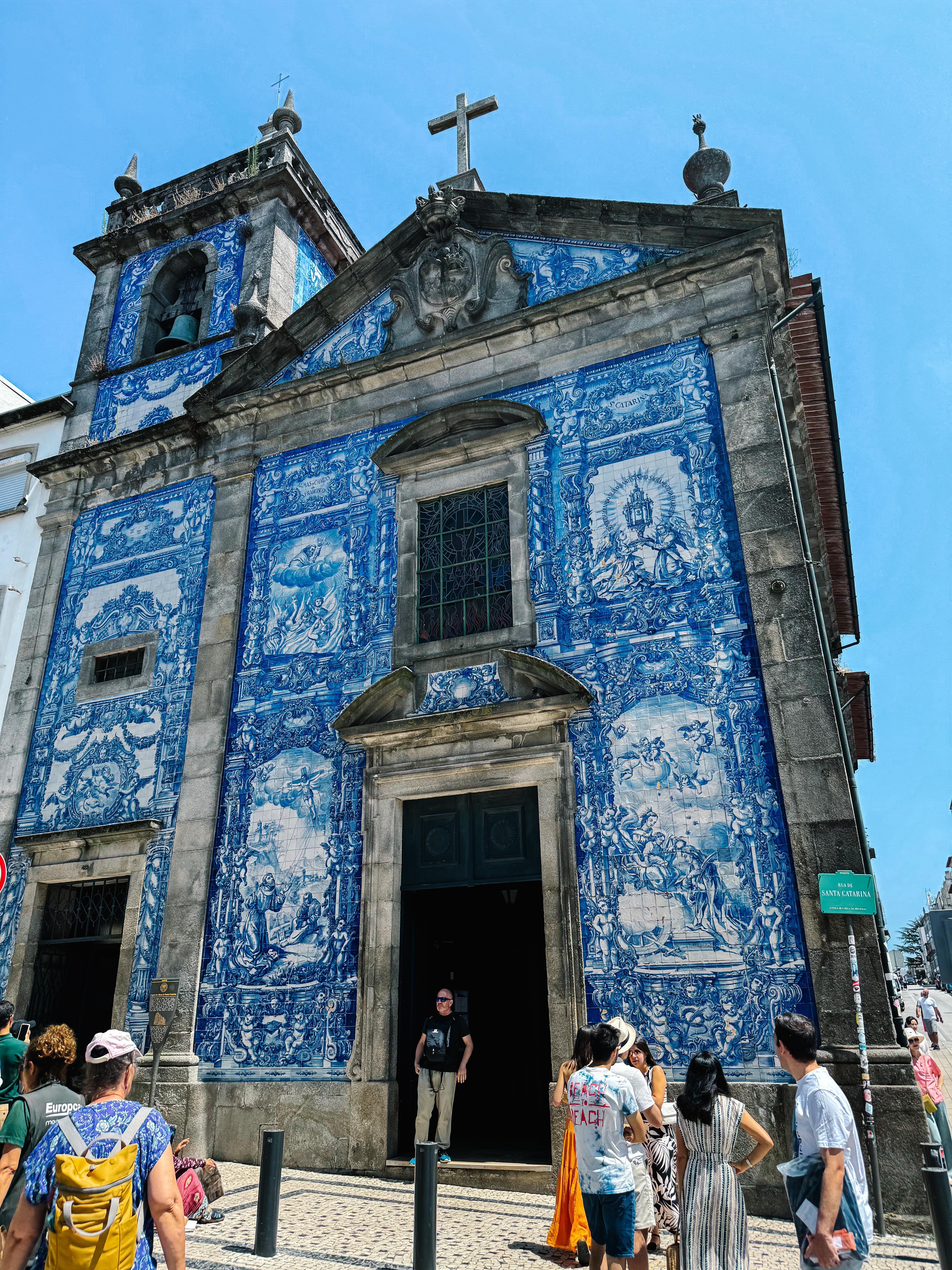
The Santo Ildefonso Church, located in the heart of Porto, Portugal, is a stunning example of Baroque architecture renowned for its striking blue and white azulejo tiles. Constructed in the early 18th century, the church was completed in 1739 and dedicated to Saint Ildefonso of Toledo, a revered 7th-century bishop. The facade of Santo Ildefonso is adorned with approximately 11,000 azulejo tiles, crafted by the artist Jorge Colaço in 1932, depicting scenes from the life of Saint Ildefonso and other religious narratives. These intricate tiles add a unique charm and historical depth, making the church a captivating sight for visitors. Over the centuries, Santo Ildefonso has weathered various restorations, preserving its architectural integrity and cultural significance. Today, it is a testament to Porto’s rich religious and artistic heritage, drawing the faithful and history enthusiasts to its beautifully tiled facade and serene interior. I walked to the church from my rented flat (about a 15-minute walk) and was in awe of the bright blue tile exterior. I went into the church and enjoyed sitting down on a pew in awed reverence of the beautiful interior of the church.

Cemiterio do Prado do Repouso
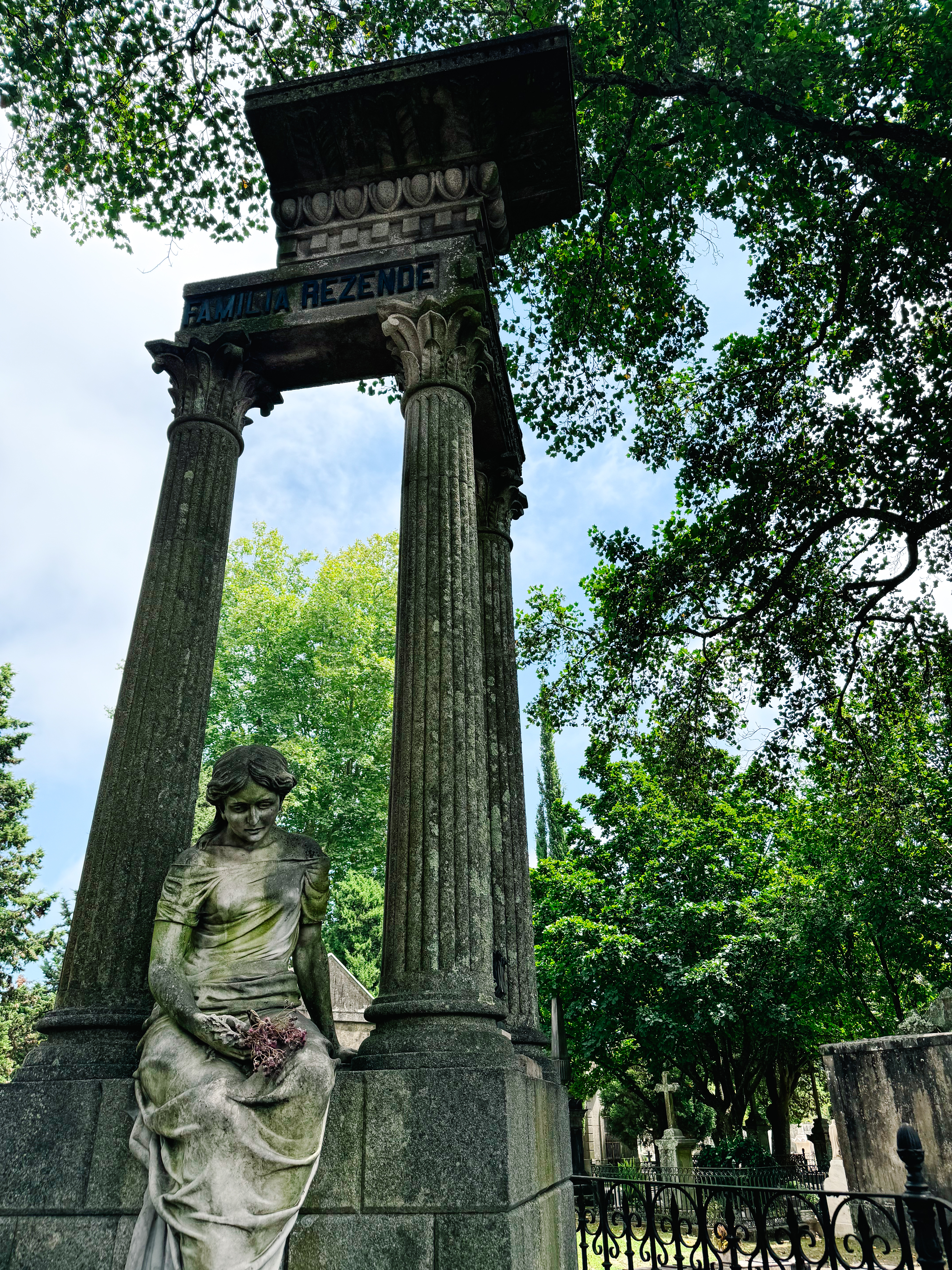
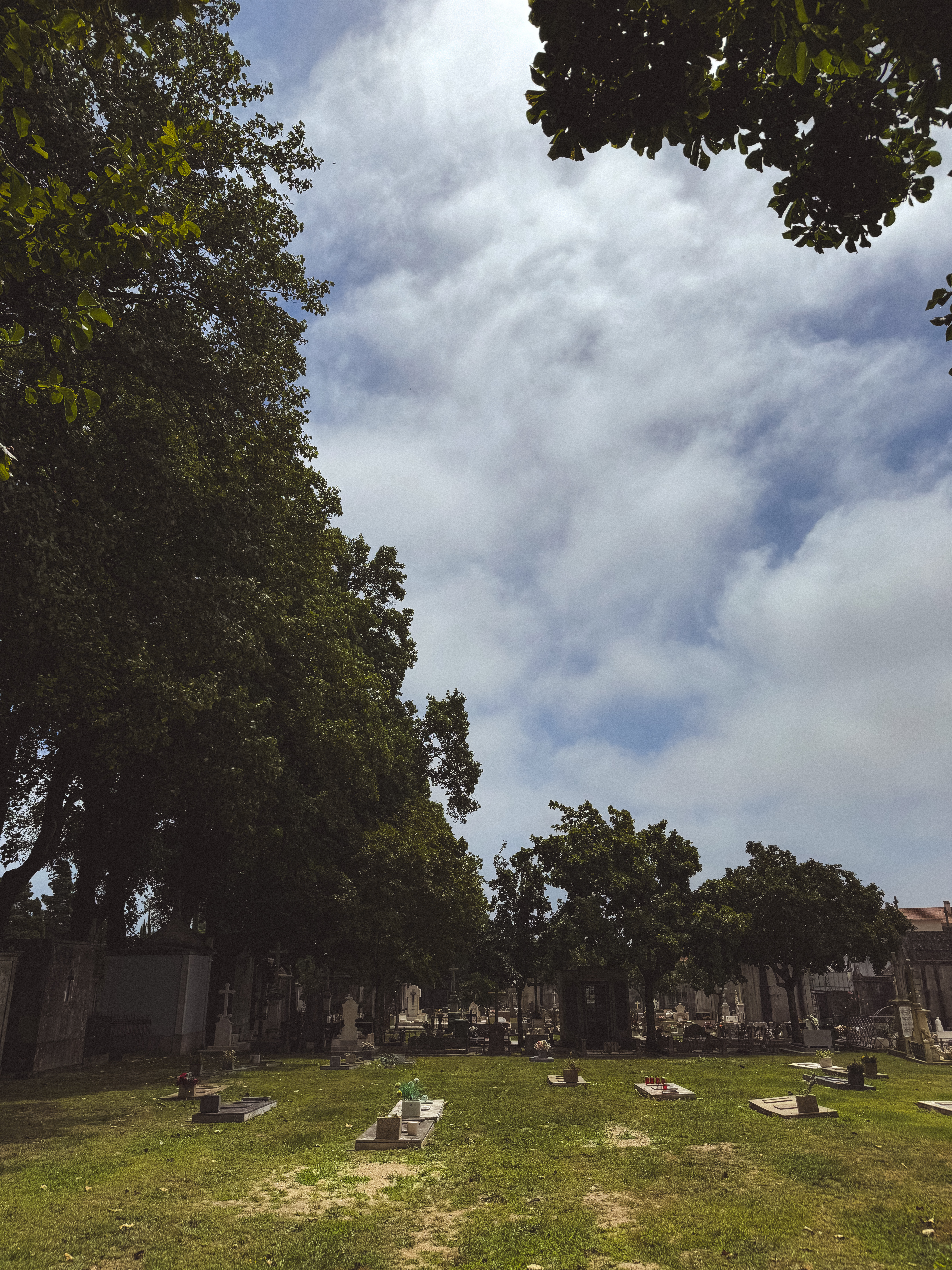
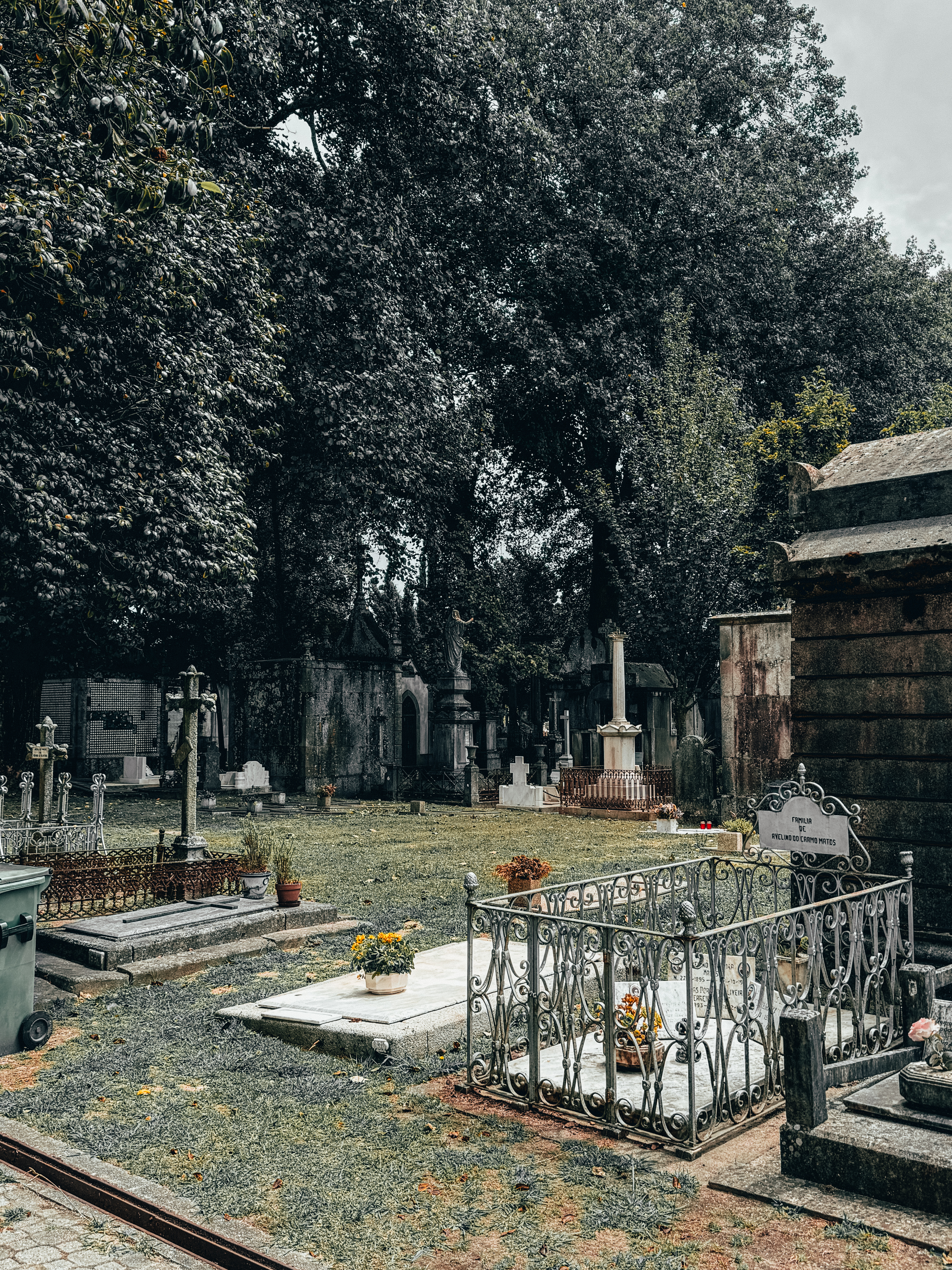
I noticed a cemetery a few blocks from my flat and wanted to check it out. It looked much like the cemeteries in New Orleans, with many of the graves aboveground. I visited the cemetery on my last day and learned a little about its history. The Cemiterio do Prado do Repouso, nestled in the Bonfim parish of Porto, Portugal, is one of the city’s oldest and most historically significant cemeteries. Established in 1839, it was the first public cemetery in Porto, created when churchyard burials were becoming insufficient for the growing population. This serene resting place is not just a cemetery but also an open-air museum, with beautifully crafted tombs, mausoleums, and sculptures that reflect the artistic styles and cultural values of the 19th and early 20th centuries. Its notable features are the intricate ironwork, Gothic and Neoclassical elements, and the lush greenery that provides a peaceful ambiance. The cemetery is the final resting place for many prominent figures in Portuguese history, including artists, writers, and politicians, making it a significant cultural landmark. Cemiterio do Prado do Repouso visitors can reflect on the past while appreciating this historic site’s artistry and tranquility.


A Musical Surprise
After I escaped the Lello bookstore with its hot crowd of tourists, I walked down a narrow street to find a restaurant to sit in, have a drink, and especially use their WC (water closet or toilet). I stumbled upon a charming restaurant where I was treated to an unexpected musical delight. The band, Ar de Fado, comprised two talented men playing traditional Portuguese guitars and a mesmerizing female singer. Their performance was nothing short of amazing. The singer’s voice was captivating, filled with raw emotion, and an impressive range that breathed life into the traditional Portuguese songs they played. Each note she sang seemed to carry the soul of Portugal, resonating deeply with everyone in the room. The intricate melodies of the Portuguese guitars added a rich, harmonious backdrop to her powerful vocals. This intimate encounter with Ar de Fado was a highlight of my visit, leaving me with a profound appreciation for the beauty and depth of Portuguese music.

Tour Around Porto
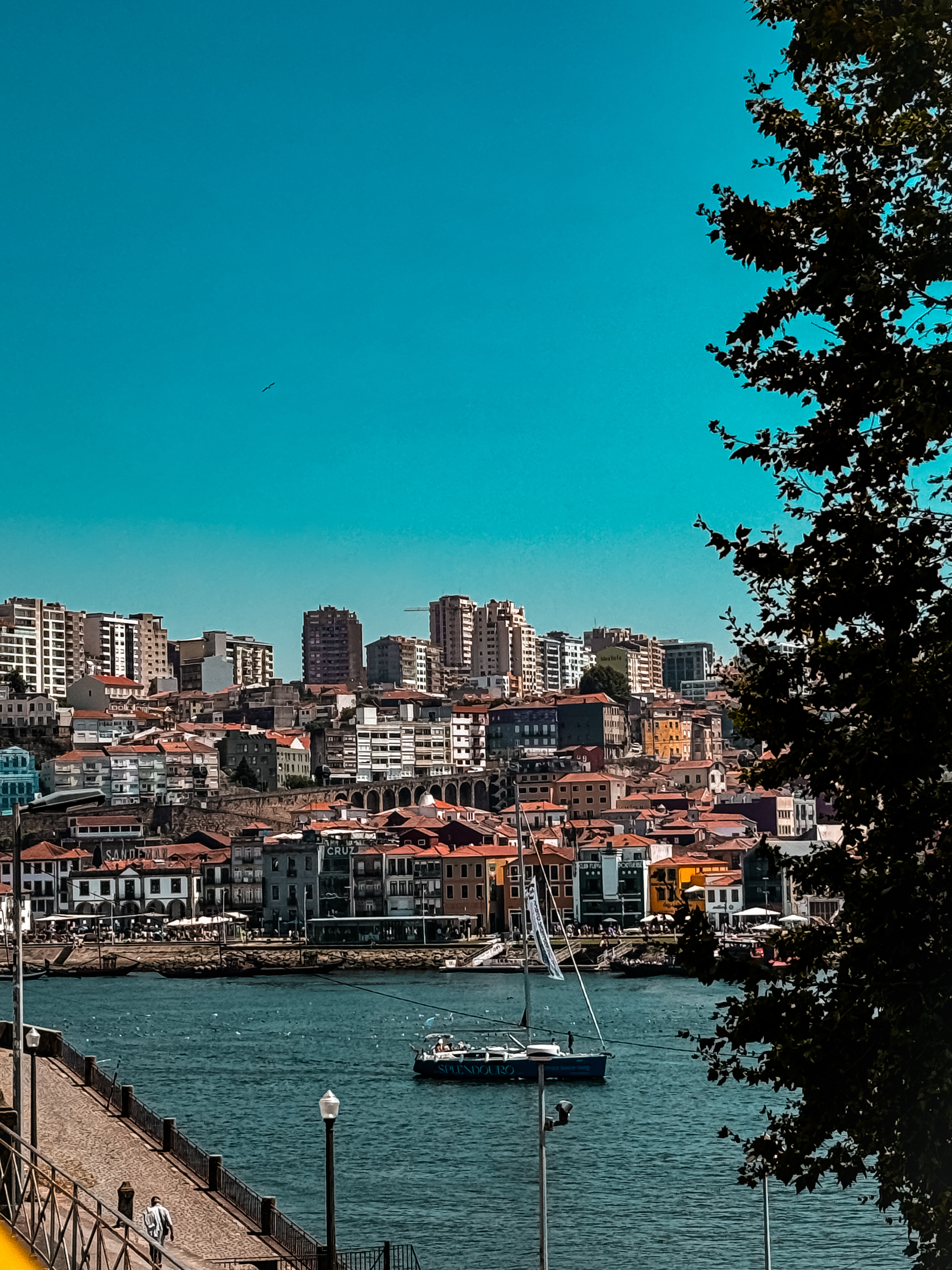
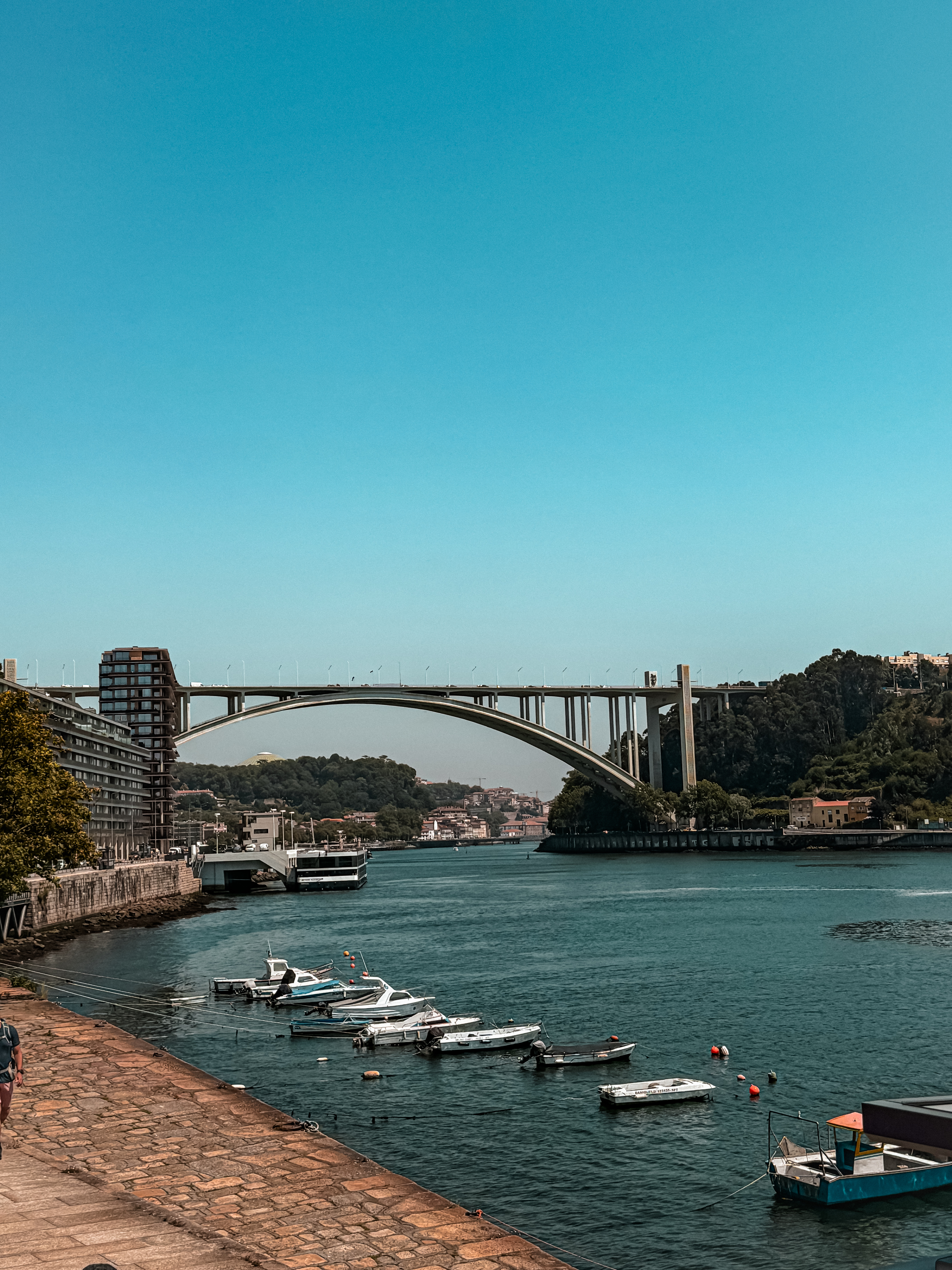
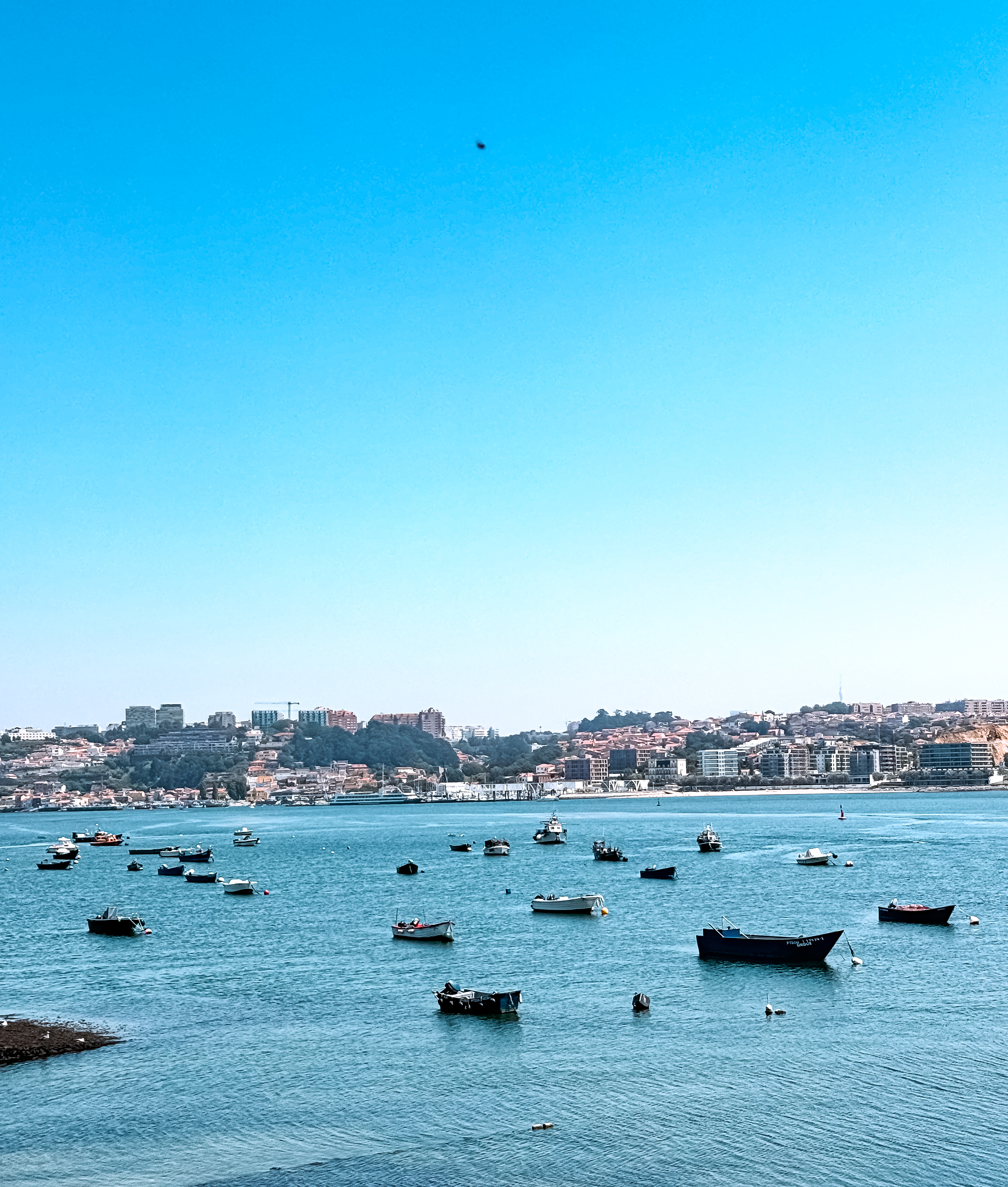
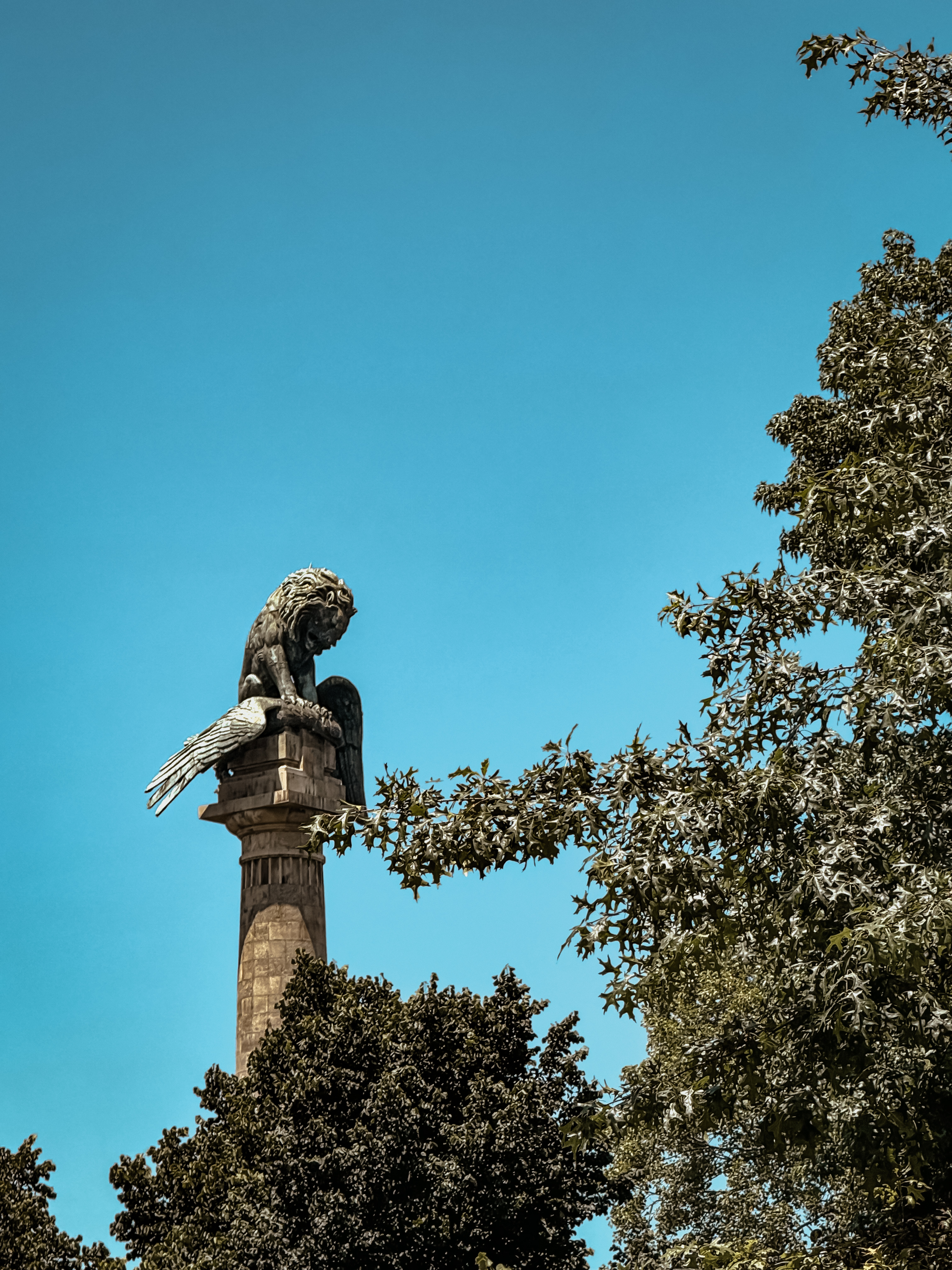
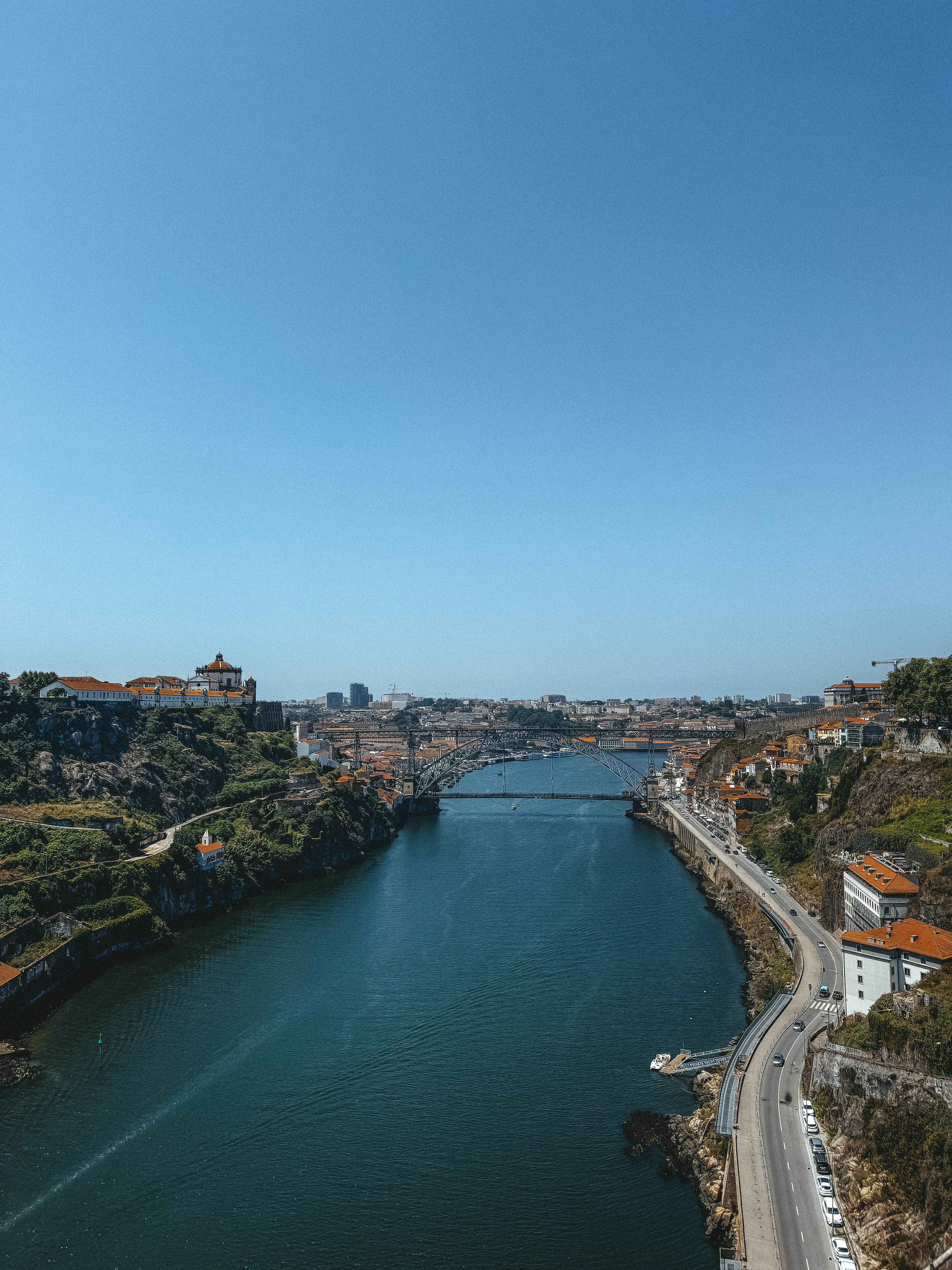
I love experiencing walking tours in cities because it allows me to learn more about the city on foot, take photos of historical monuments, and gain a deeper understanding of the rich history of the cities I visit. Porto is a very hilly city, and after two walking tours, I was done. I bought a bus ticket, one of those city bus sightseeing tours with a hop-on-hop-off feature. My bus tour around Porto was enchanting, showcasing the city’s stunning blend of natural beauty and historical richness. As we traversed through Porto, the city unfolded with its charming houses clinging to the hills, creating a picturesque skyline. The tour took us past majestic old castles that whispered tales of bygone eras and expansive city parks where locals and visitors enjoyed the serene green spaces. As we approached the Atlantic Ocean, the scenery transformed into breathtaking beaches with golden sands and crashing waves, contrasting the urban landscape. The blend of Porto’s vibrant city life, historical landmarks, and natural coastal beauty left me in awe of this captivating city, with each turn revealing another layer of its unique charm and character.




Reflections…
My trip to Porto has been unforgettable through a city rich in history, culture, and natural beauty. From the striking blue tiles of Santo Ildefonso Church to the peaceful reverence of Cemiterio do Prado do Repouso, Porto’s historic sites captivated me at every turn? The surprise encounter with Ar de Fado, a band whose traditional Portuguese melodies and heartfelt vocals left a lasting impression, added a magical touch to my adventure. The scenic bus tour, winding through Porto’s charming hillside homes, grand old castles, lush parks, and breathtaking Atlantic beaches, highlighted the city’s diverse and stunning landscape. As my Porto adventure draws to a close, I eagerly anticipate the final leg of my tour in Marrakech, ready to explore this Moroccan gem’s vibrant markets, rich culture, and culinary delights.

 She Travels Alone
Leave a reply to Not all who wander are lost Cancel reply