
Traveling solo has always been a source of empowerment and self-discovery for me. Recently, my journey led me to Tucson, Arizona, where I stumbled upon a hidden gem that left me in awe—the Mercado District. Nestled in the heart of Tucson, this charming area felt like a delightful escape to a small European town, offering a blend of vibrant culture, unique architecture, and an inviting atmosphere that made my solo adventure truly unforgettable.

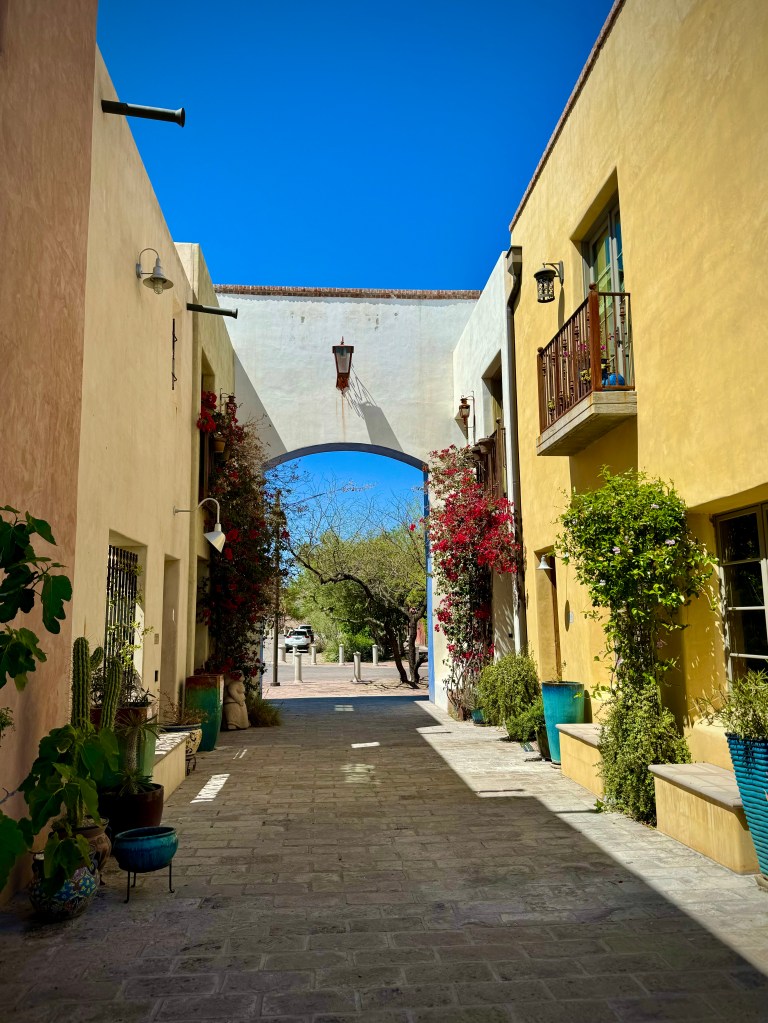
The moment I stepped into the Mercado District, I was captivated by its beauty. The cobblestone streets, colorful buildings, and intimate courtyards immediately transported me to a European village. Each corner seemed to whisper stories of history and culture, making it a perfect spot for wandering and exploration. The district’s design effortlessly blends Spanish and Mexican influences, creating a timeless and enchanting ambiance.
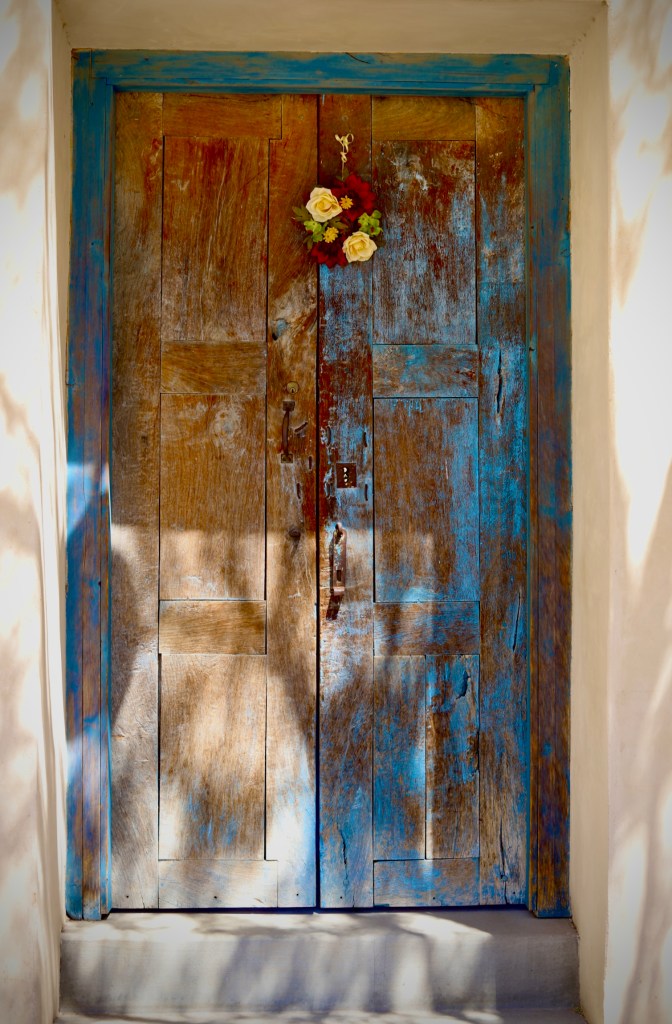
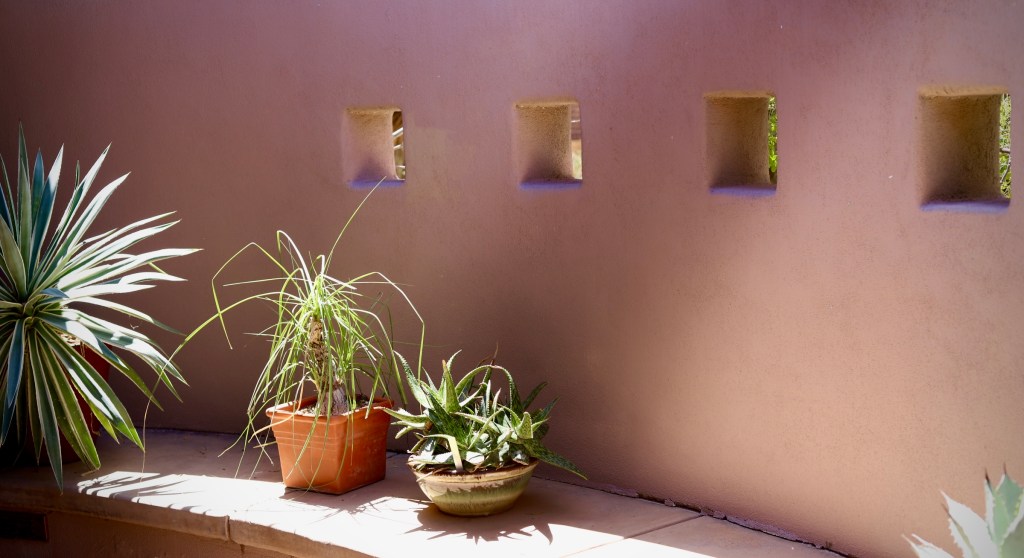
One of the first things that struck me was the district’s architecture. The buildings are adorned with intricate details, from wrought iron balconies to vibrant tiles reminiscent of Mediterranean and Spanish colonial styles. As I strolled through the streets, I could not help but admire the craftsmanship and artistry that went into creating this picturesque setting. It was as if every structure had its own personality, inviting me to pause and appreciate the beauty in the details.

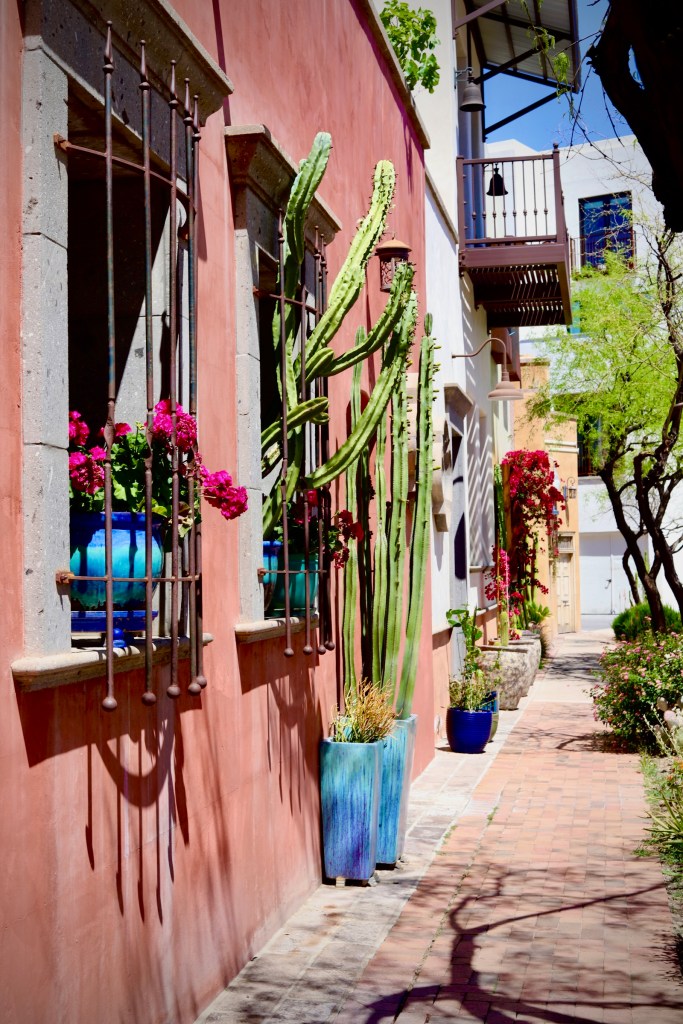

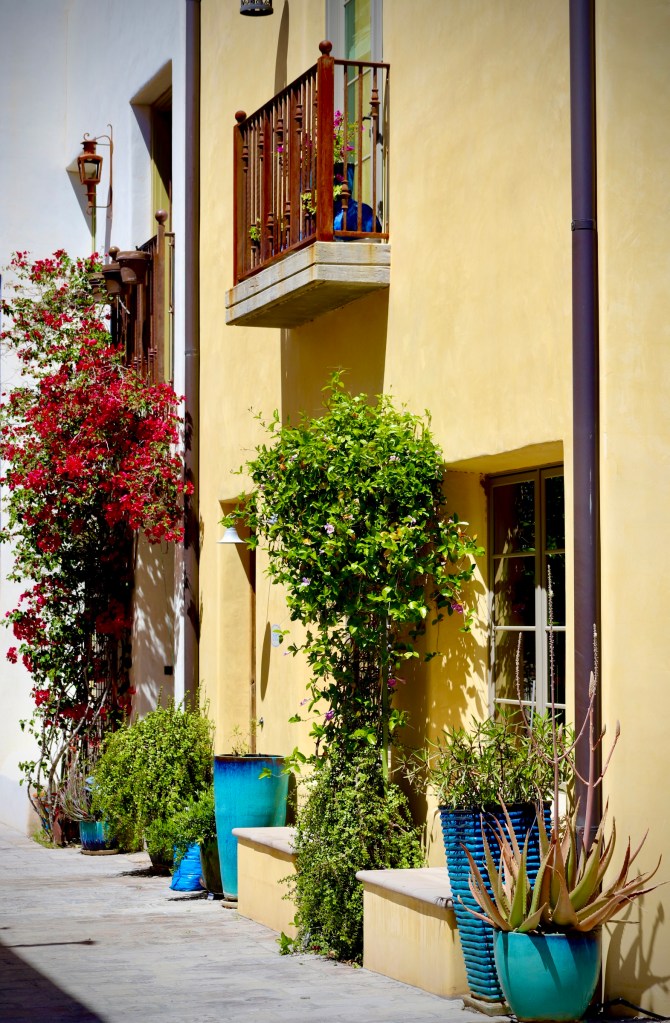
The Mercado District is not just about aesthetics but a hub of cultural activity and community spirit. The lively Mercado San Agustin, the district’s centerpiece, offers a delightful mix of local shops, cafes, and artisanal markets. I indulged in delicious pastries, sipped on aromatic coffee, and browsed through unique handcrafted items. The friendly vendors and locals added to the warm and welcoming atmosphere, making me feel like a part of the community, even if just for a short while.
Traveling alone can sometimes feel daunting, but the Mercado District embraced me with open arms. The safe and inviting environment allowed me to wander freely, taking in the sights and sounds at my own pace. I spent hours exploring the various nooks and crannies, discovering hidden gems around every corner. From quaint boutiques to cozy cafes, the district offered endless opportunities for solo travelers to immerse themselves in the local culture and charm.
My visit to the Mercado District in Tucson was more than just a sightseeing trip; it was an inspiring journey that reminded me of the joys of solo travel. The district’s beauty, reminiscent of a small European town, reignited my passion for exploring new places and embracing different cultures. It served as a reminder that hidden treasures are always waiting to be discovered, even in the most unexpected locations.
If you find yourself in Tucson, I highly recommend visiting the Mercado District. Whether you’re a solo traveler or exploring with others, this enchanting area promises a unique and memorable experience. Lose yourself in its charming streets, soak in the vibrant culture, and let the beauty of this European-inspired gem leave you as awe-struck as it left me.
Happy travels, and until next time, keep exploring!




 She Travels Alone
Leave a reply to Thomas Burghaze Cancel reply