
Nestled in the bustling heart of Marrakech Medina, Bahia Palace is a testament to Morocco’s rich history and cultural opulence. This magnificent palace, whose name translates to “brilliance,” offers visitors a glimpse into the grandeur of Moroccan architecture and the splendor of the country’s heritage.


A Brief History
The construction of Bahia Palace began in the late 19th century, commissioned by Si Moussa, the grand vizier of Sultan Hassan I of Morocco. The palace was intended to be a luxurious residence, surpassing all others in beauty and elegance. Upon Si Moussa’s death, his son, Bou Ahmed, inherited and expanded the palace. Bou Ahmed served as a regent after the death of Sultan Hassan I, and during his tenure, Bahia Palace became the administrative hub and a symbol of power.
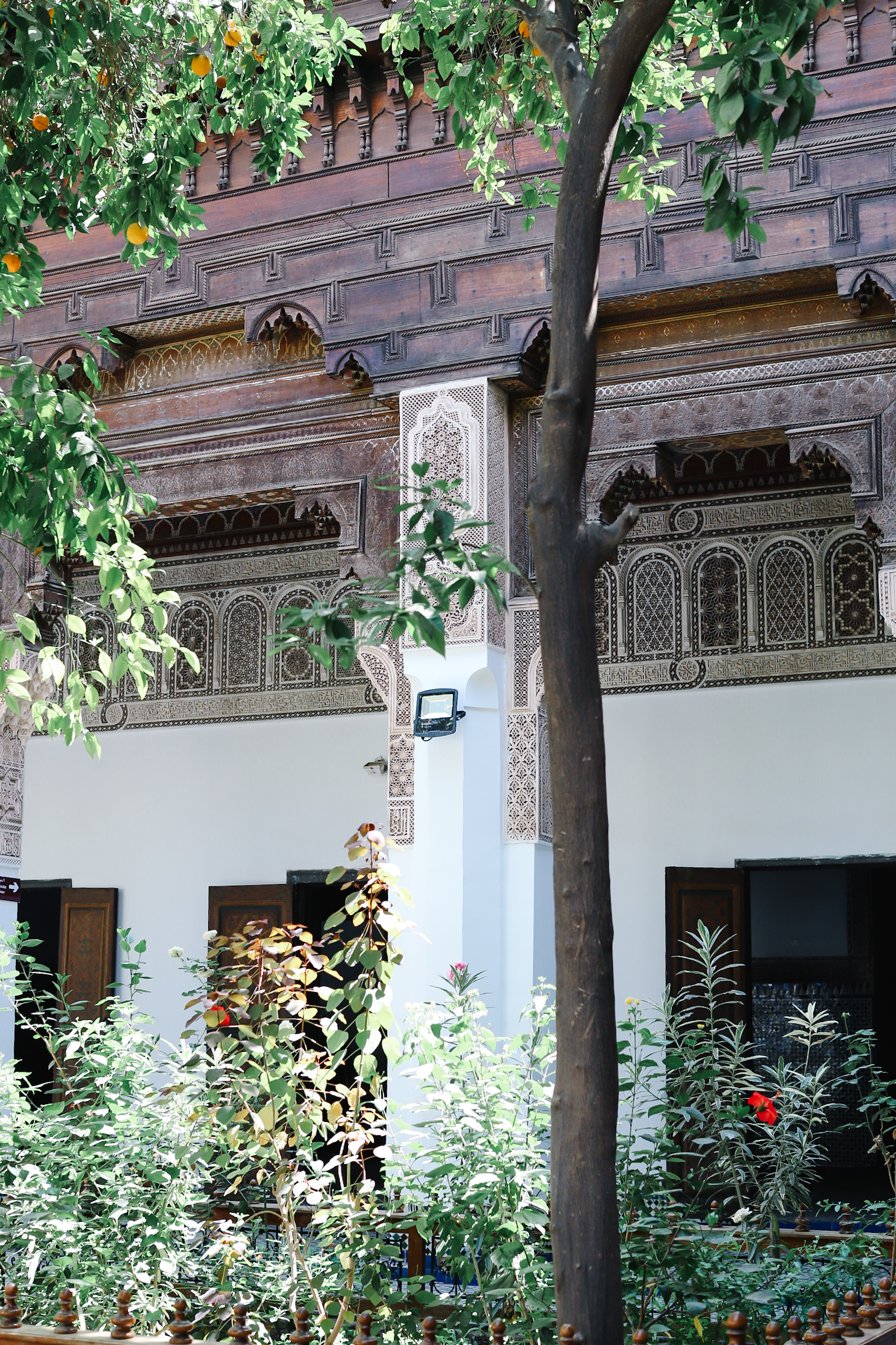
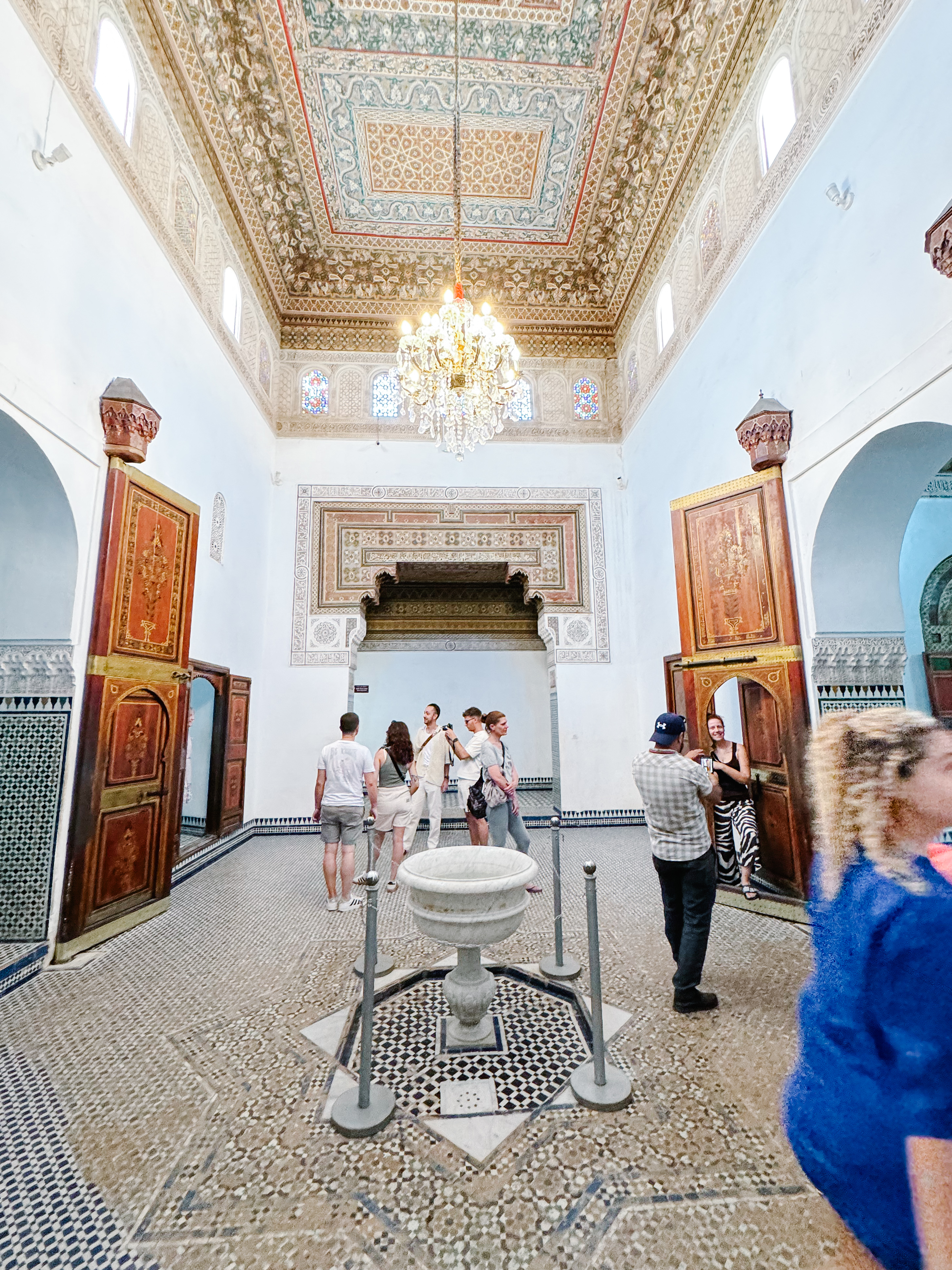
Bou Ahmed spared no expense in adorning the palace. Artisans from across Morocco were brought in to create intricate mosaics, wood carvings, stucco decorations, and stained-glass windows. The result was an architectural masterpiece that reflected the finest Moroccan and Islamic art traditions.


Architectural Marvel
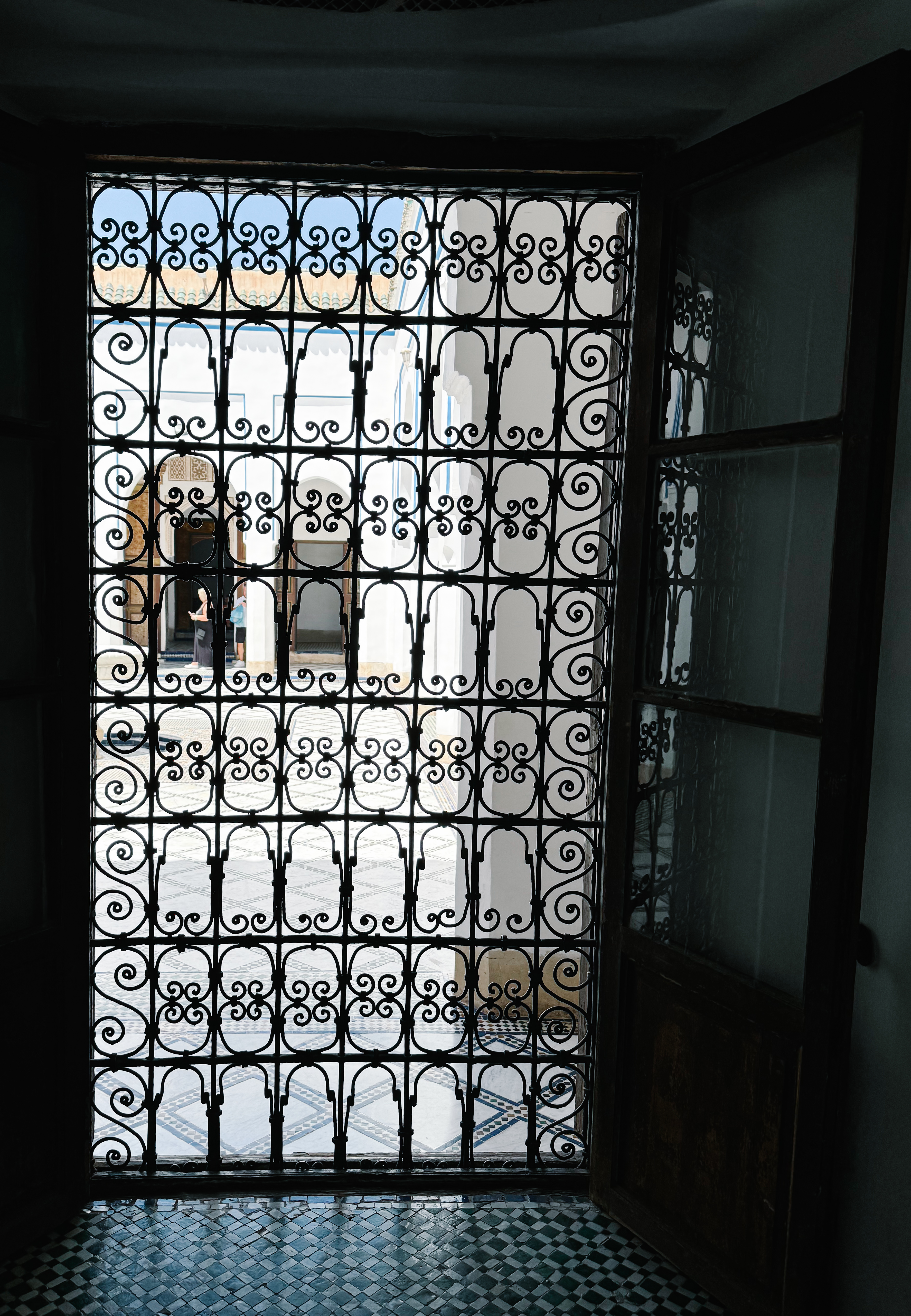
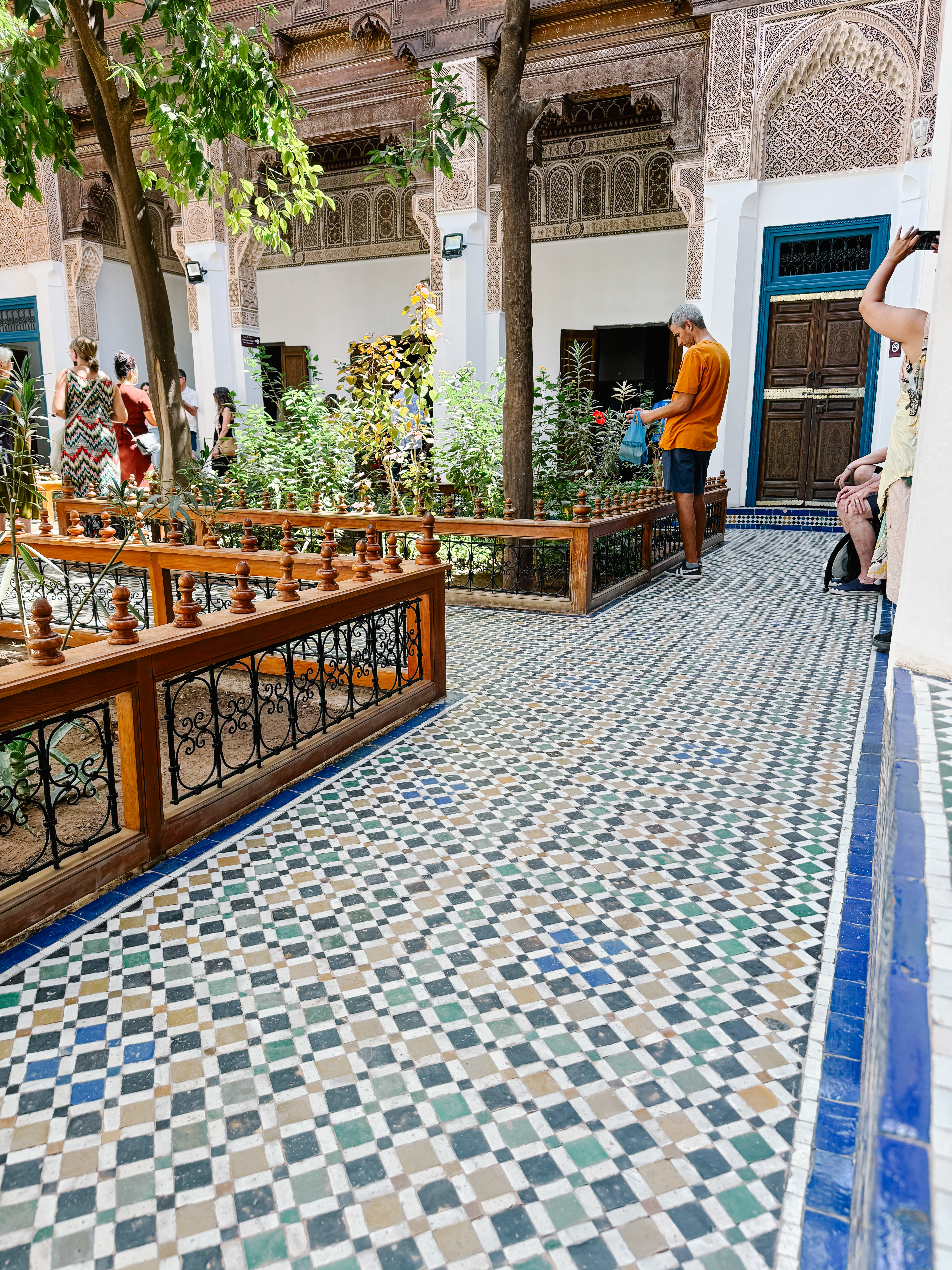
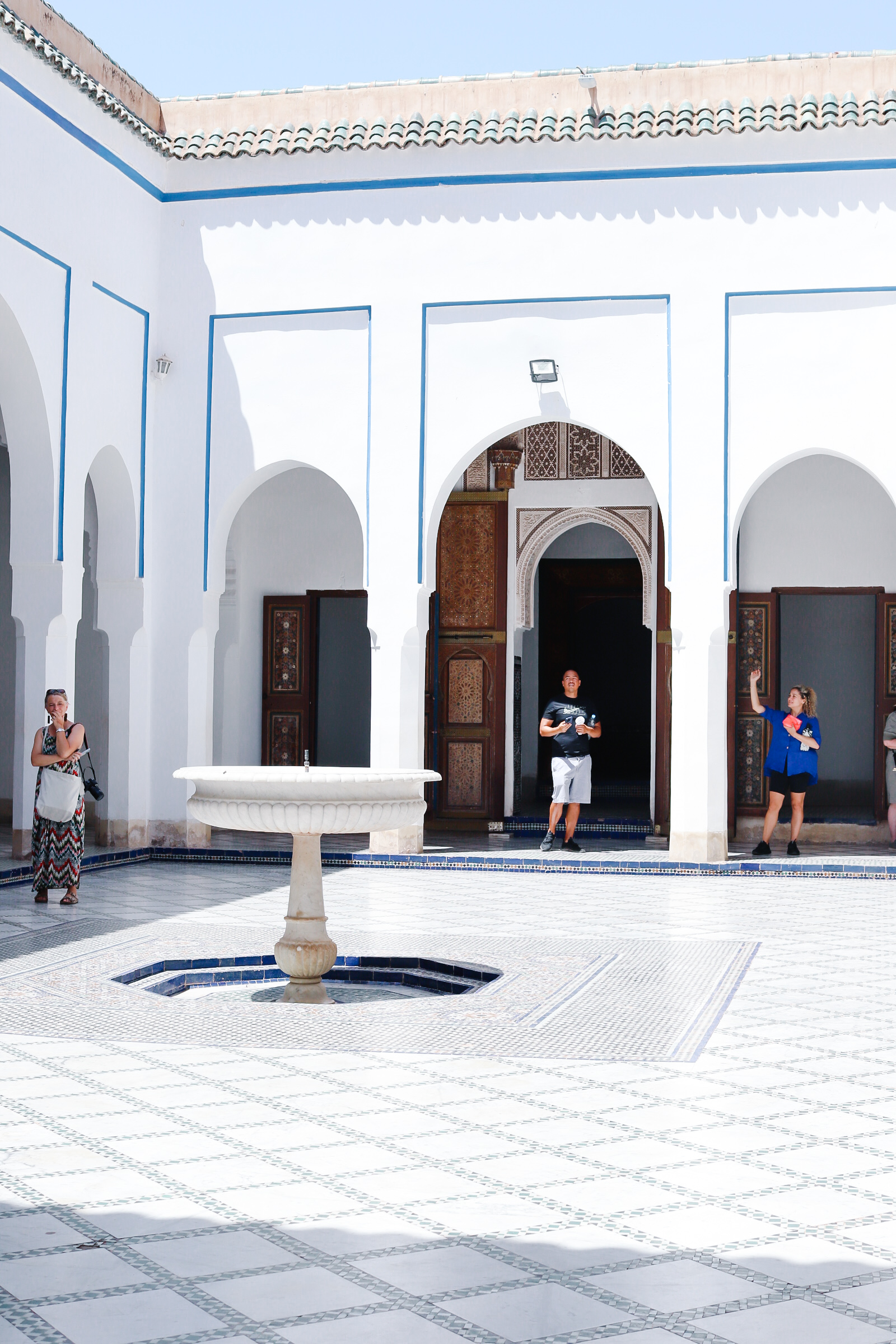
Bahia Palace covers an expansive 8 hectares, comprising 150 rooms, lush courtyards, and tranquil gardens. Each corner of the palace is a work of art, with zellij (mosaic tilework), cedar wood ceilings, and elaborate stucco work. The courtyards are adorned with fountains and surrounded by fragrant orange trees, offering a serene escape from the bustling medina.
One of the most striking features of Bahia Palace is its harmonious blend of Andalusian and Moorish architectural styles. The use of geometric patterns and calligraphy throughout the palace highlights the Islamic artistic tradition, while the layout and gardens are reminiscent of Andalusian palaces like the Alhambra in Spain.


Cultural Significance
Bahia Palace is more than just an architectural wonder; it is a cultural treasure that offers insights into Morocco’s history and heritage. During its heyday, the palace was a hub of political and social activity. It hosted dignitaries, foreign ambassadors, and the upper echelons of Moroccan society. The grandeur of the palace reflected the power and influence of its inhabitants.
Today, Bahia Palace is a museum and a major tourist attraction, drawing visitors worldwide. It provides a window into the opulent lifestyle of Morocco’s elite in the 19th century and reminds visitors of the country’s rich cultural tapestry.






My Visit to Bahia Palace
I walked to the Palace from my Riad taking a route through the Medina that I had not yet taken. It was a route through the more residential part of the Medina, and there weren’t as many touristy shops selling nicknacks. My visit to Bahia Palace was like a journey through time. As I wandered through its ornate rooms and courtyards, I could almost hear the whispers of the past and feel the pulse of history. The Palace was full of tourists, some led by tour guides, but I really enjoyed the tranquil gardens and shade.
Whether you are an architecture enthusiast, a history buff, or simply a traveler seeking to experience the essence of Moroccan culture, Bahia Palace is a must-visit destination in Marrakech. Its beauty and historical significance will leave an indelible mark on your journey through this enchanting city.
Bahia Palace stands as a shining example of Morocco’s architectural brilliance and cultural depth. Its history and grandeur offer a captivating narrative of the country’s past, making it an essential stop for anyone exploring the wonders of Marrakech.
 She Travels Alone
What are your thoughts?