
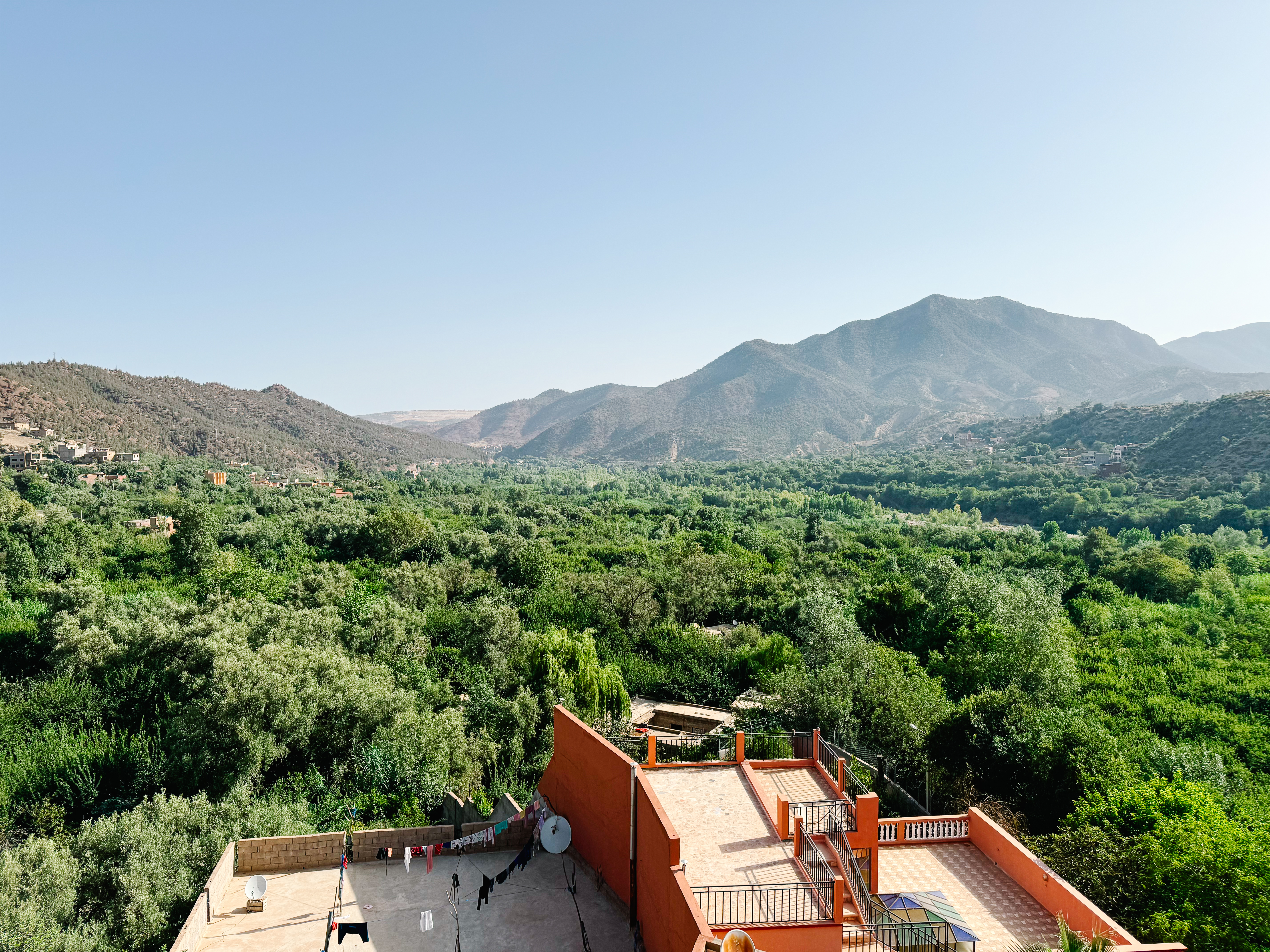
My day trip to the Ourika Valley, where the Berber people live, was an adventure I’ll never forget. It was filled with beautiful sights, rich culture, and delicious food. I was the only person on the tour because the other travelers had to cancel due to illness, which made the experience even more personal and immersive.

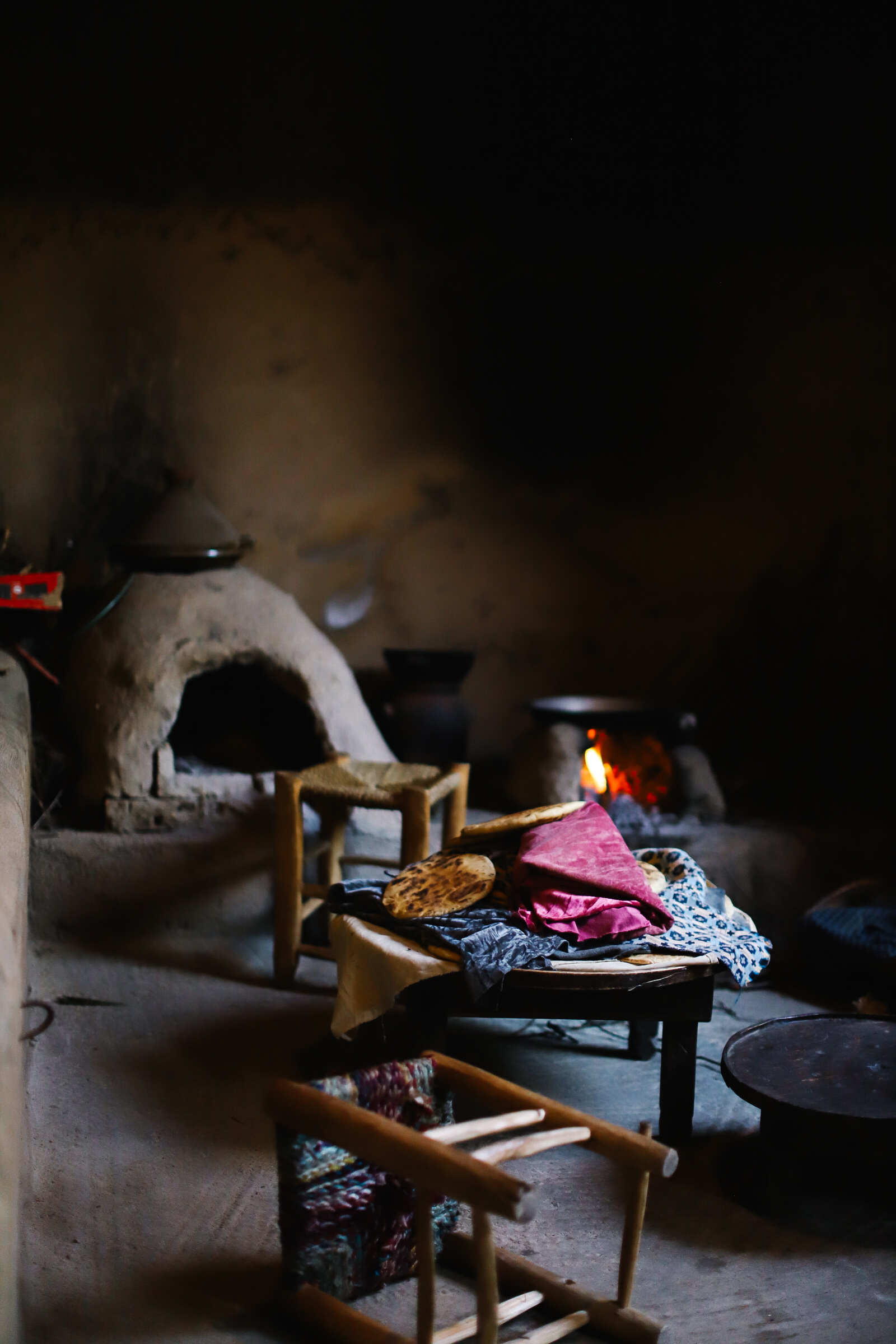


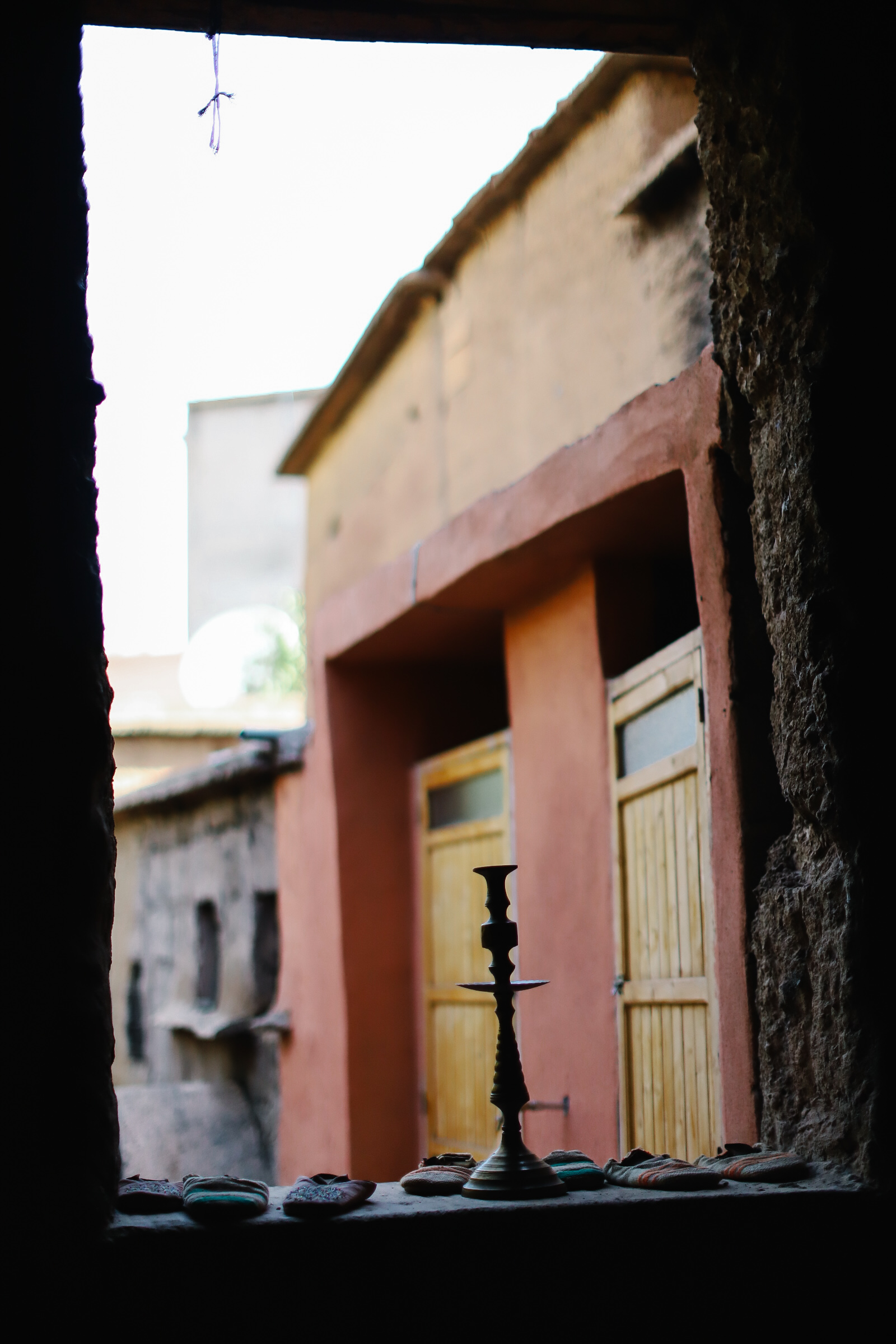

The Nomad People
The Berber people, also known as the Amazigh, are indigenous to North Africa and have a history dating back thousands of years. Their origins trace back to prehistoric times, with evidence of their presence in the region as early as 10,000 BCE. The Berbers have lived through various periods of rule and influence, including the Phoenicians, Romans, Vandals, Byzantines, and Arabs. Despite these external influences, they have managed to preserve their unique language, culture, and traditions. The Berbers played significant roles in the history of the Maghreb, including the establishment of powerful dynasties such as the Almoravids and Almohads. Today, they continue to maintain a distinct identity, primarily in countries like Morocco, Algeria, Tunisia, Libya, and Mali, while contributing richly to the cultural and social fabric of North Africa.
The Berbers have a long history of nomadism, particularly among certain tribes in the Sahara and Atlas Mountains. Traditionally, they have led a nomadic lifestyle, moving with their herds of sheep, goats, and camels in search of pasture and water. This way of life has fostered a deep connection with the land and a profound understanding of the harsh desert and mountain environments they navigate. Despite modern influences, many Berber communities maintain elements of their nomadic heritage, preserving their unique cultural identity and resilience.
Our journey began with a stop in a small Berber village where I was welcomed with traditional Moroccan mint tea and Berber bread served with various dipping sauces. The breakfast was absolutely delicious, and the hospitality was heartwarming.






Moroccan Mint Tea
Moroccan mint tea, known as “atay,” holds a special place in Moroccan culture as a symbol of hospitality and tradition. This tea, made from green tea leaves, fresh mint, and sugar, is more than just a refreshing drink; it embodies the warmth and generosity of Moroccan society. The preparation and serving of mint tea is a ritualistic process. It is typically poured from a height, which aerates the tea and creates a light, frothy foam on the top. This foam is not just for aesthetics; it signifies the tea has been properly prepared and is a mark of respect and care from the host to the guest. The act of pouring the tea from a height into small glasses showcases the skill and pride of the server, making the experience of drinking Moroccan mint tea a delightful and cherished custom.
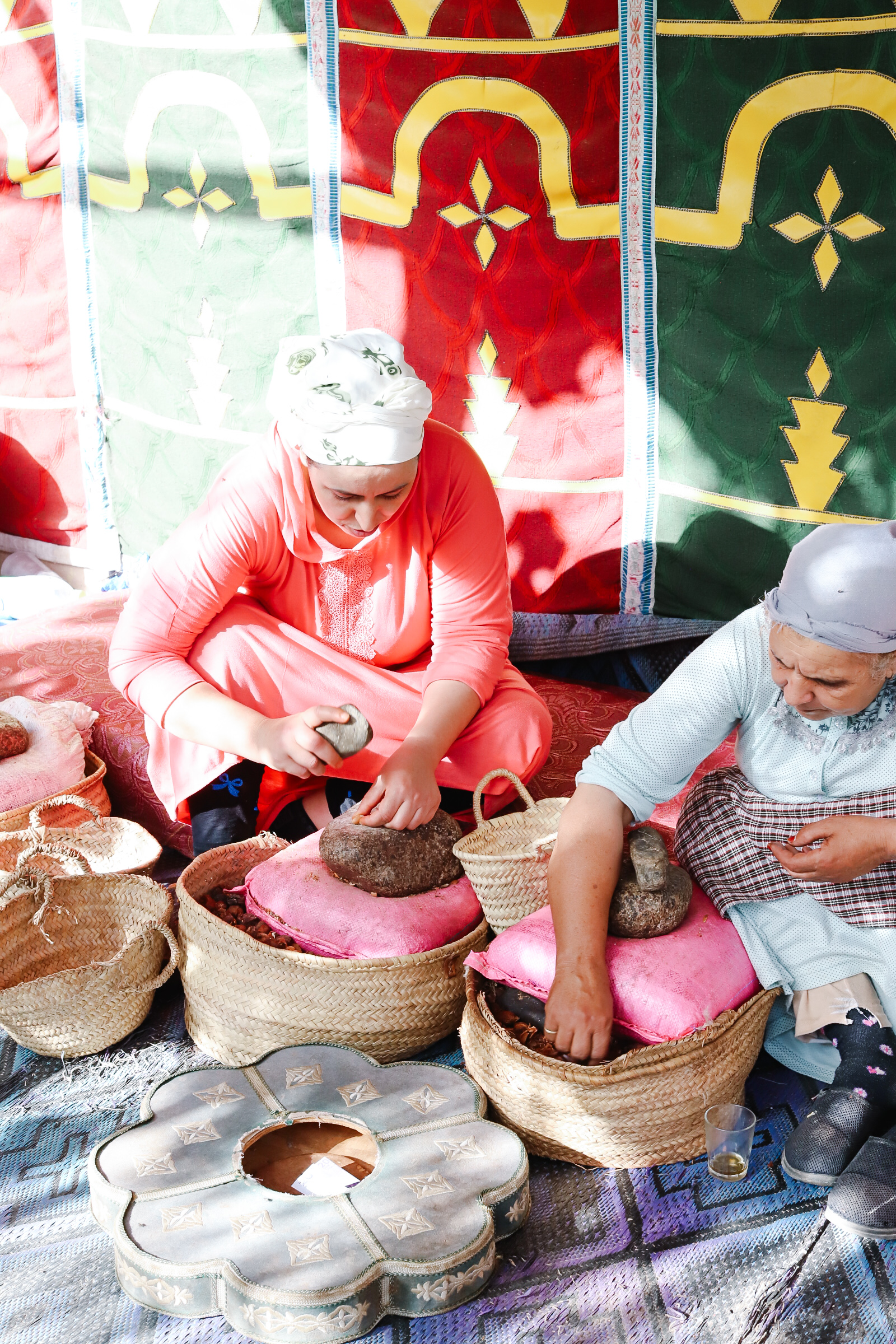
After breakfast, I had the privilege of learning about Argan oil production from the women in the village. They demonstrated the entire process, explaining that each part of the Argan seed is used: the shell is used for feeding goats, some parts are used as “charcoal” for cooking fires, and the final part is ground to make the precious oil. I couldn’t resist buying several products as gifts for my mom and sisters.
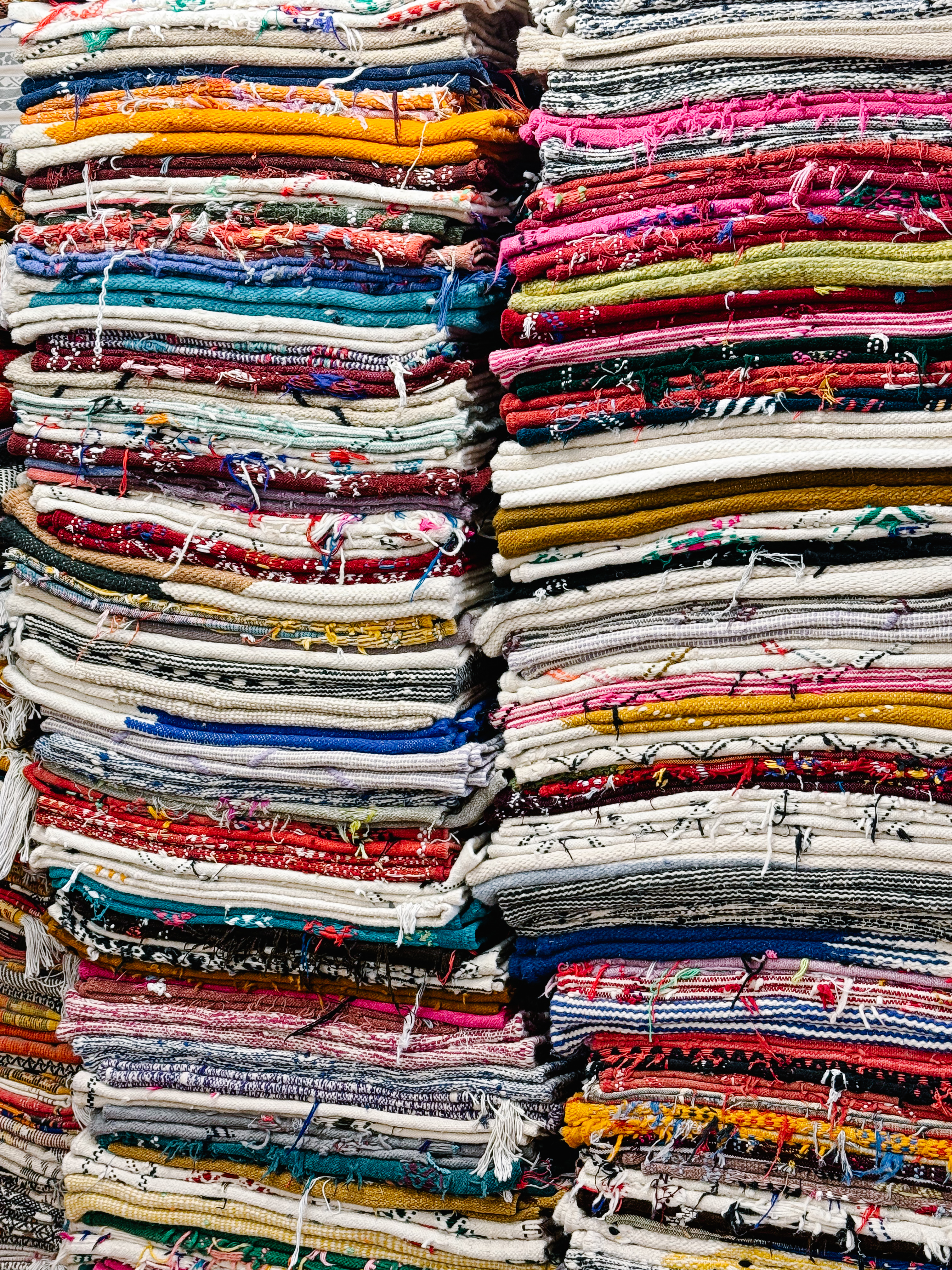
Our next stop was another Berber village, where I learned about the intricate art of Berber rug making. The village women craft these beautiful rugs in their spare time, often gathering together over tea and conversation. Each rug has a detailed meaning related to its visual surroundings and religious beliefs. I found a small green carpet that perfectly matches my home decor and had to bring it home with me.
When I mentioned wanting a coffee, my thoughtful tour guide made an impromptu stop on the side of the road to buy one for me. This kind gesture exemplified the hospitality I experienced throughout the day.


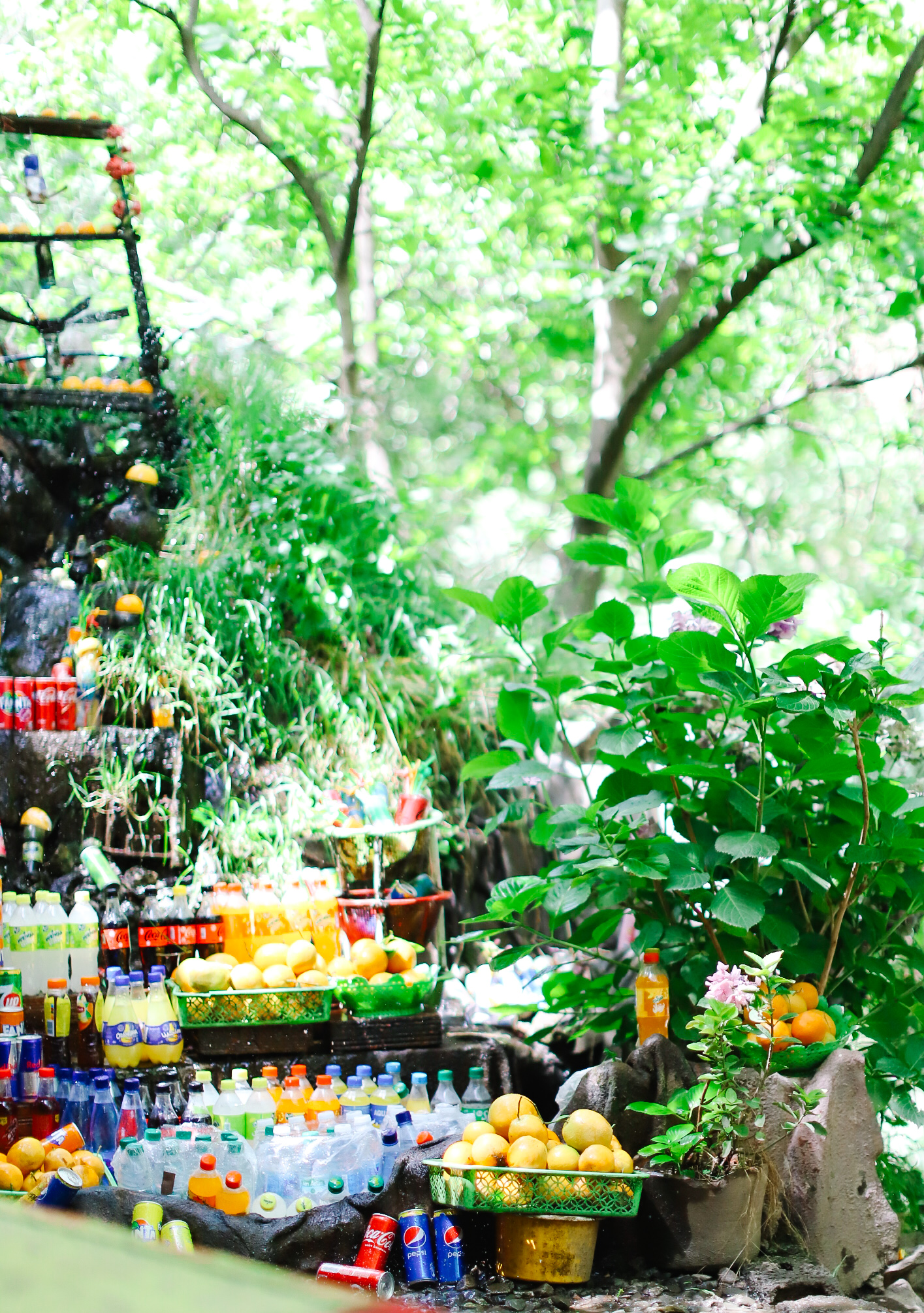


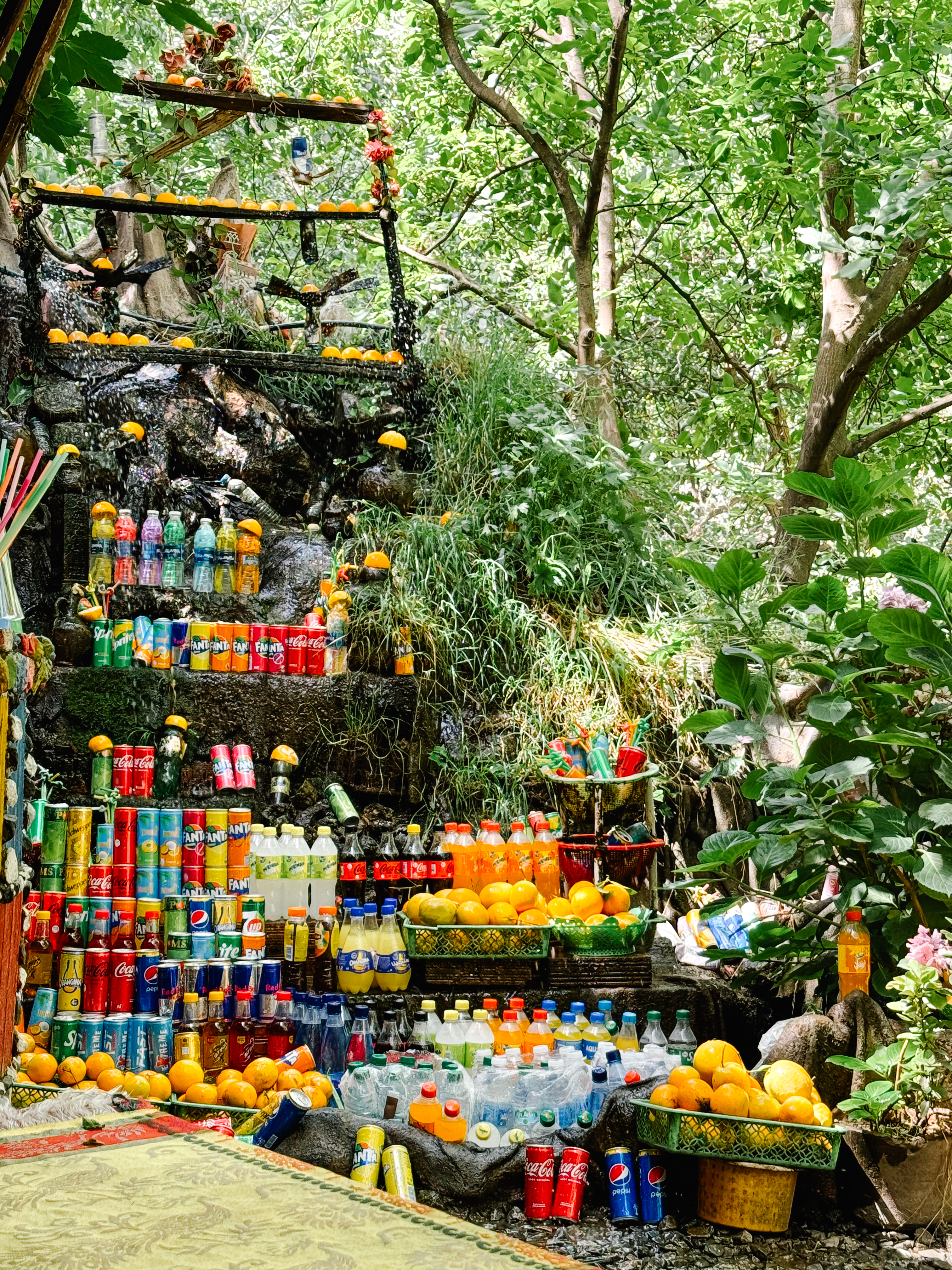
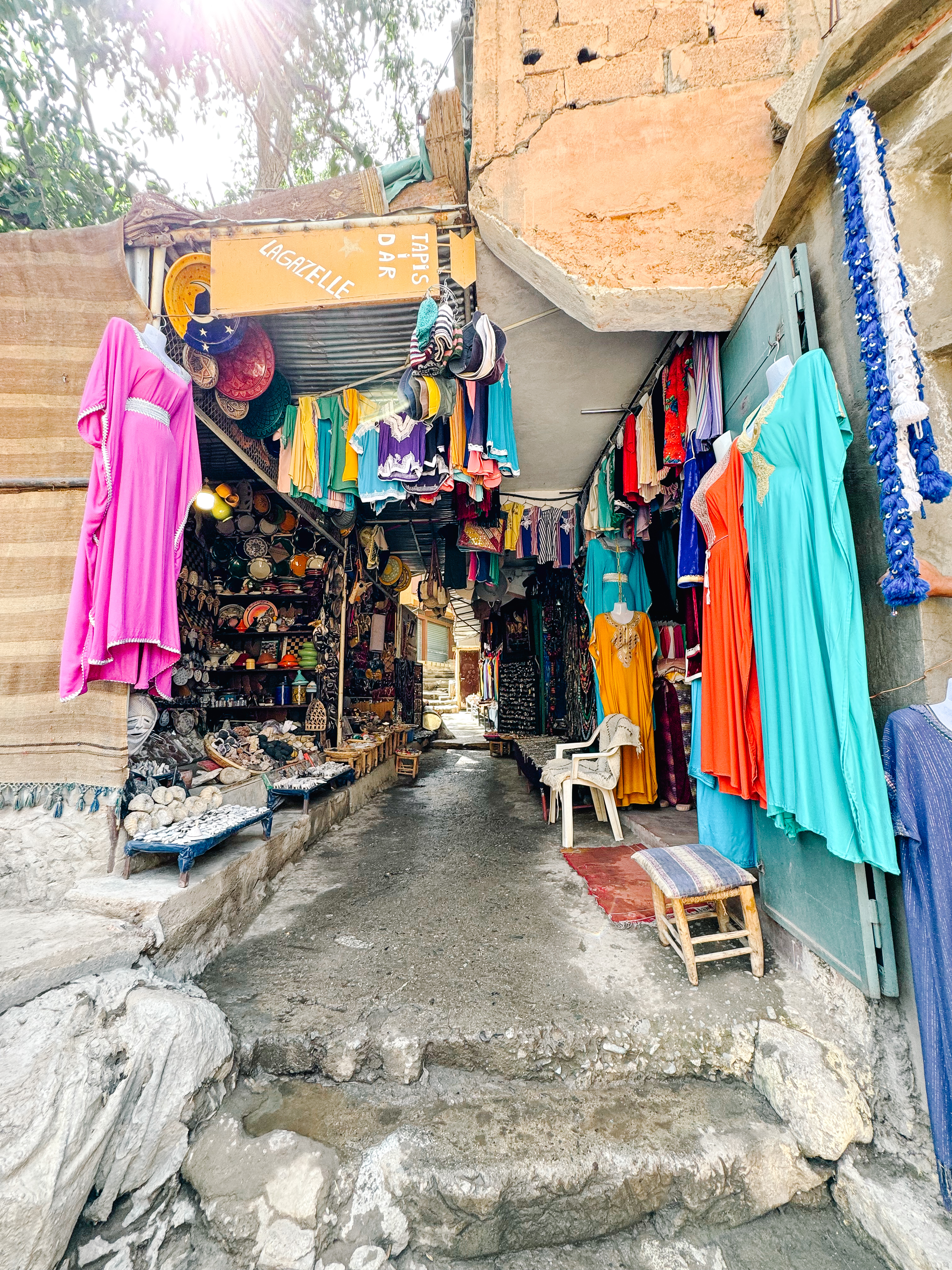

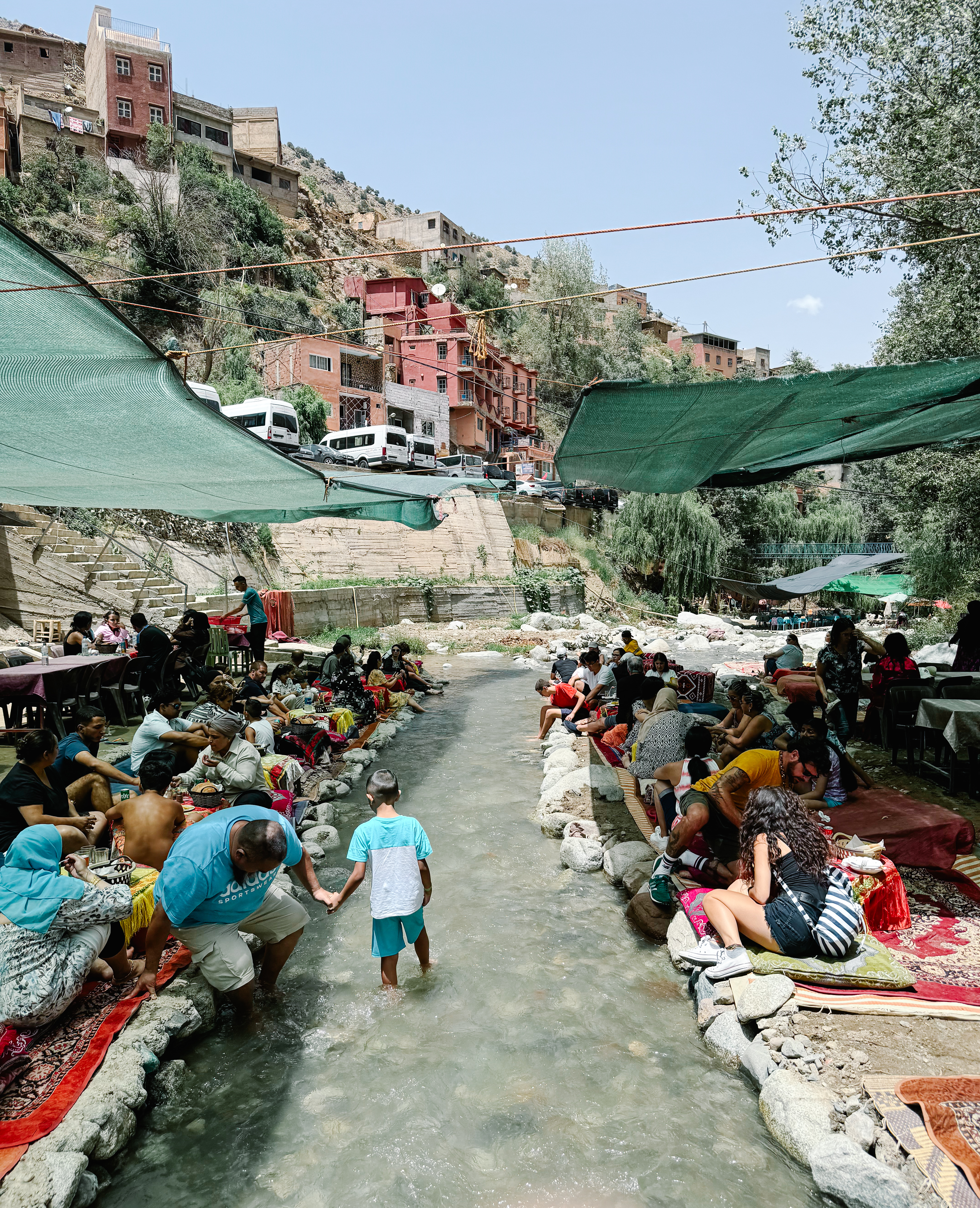
The final stop was in a larger village where a local guide led me through a Berber village built into the hillside. We climbed up to see a stunning waterfall, although the walk was challenging with many stairs. The effort was worth it for the breathtaking views, the charming souks (local craft stands), and the picturesque spots perfect for photos.
Berber villages, often nestled in the mountains of North Africa, are remarkable for their unique architectural adaptation to the rugged terrain. These villages are typically constructed with local stone, clay, and wood materials, blending seamlessly into their natural surroundings. Homes are built in a terraced fashion, ascending the mountainside, which not only maximizes space but also provides stability and protection against the elements. The design of these villages often includes narrow, winding pathways and stairways that connect the different levels, creating a labyrinthine layout that is both functional and picturesque. The strategic placement of these villages offers stunning panoramic views, while the integration of communal spaces like squares and courtyards fosters a strong sense of community among the inhabitants. The harmonious relationship between the Berber people and their environment is evident in their mountain villages’ thoughtful and resilient architecture.
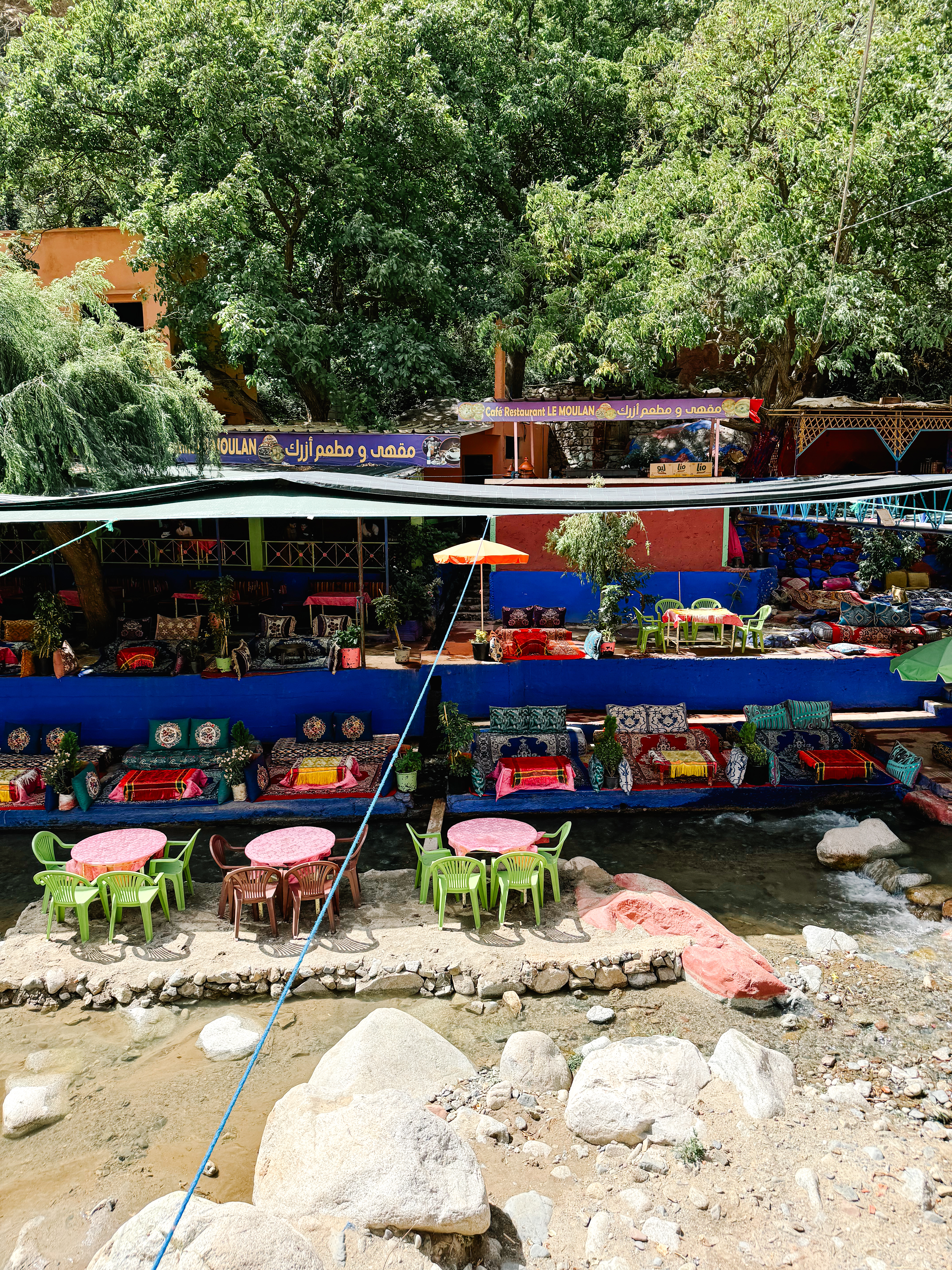
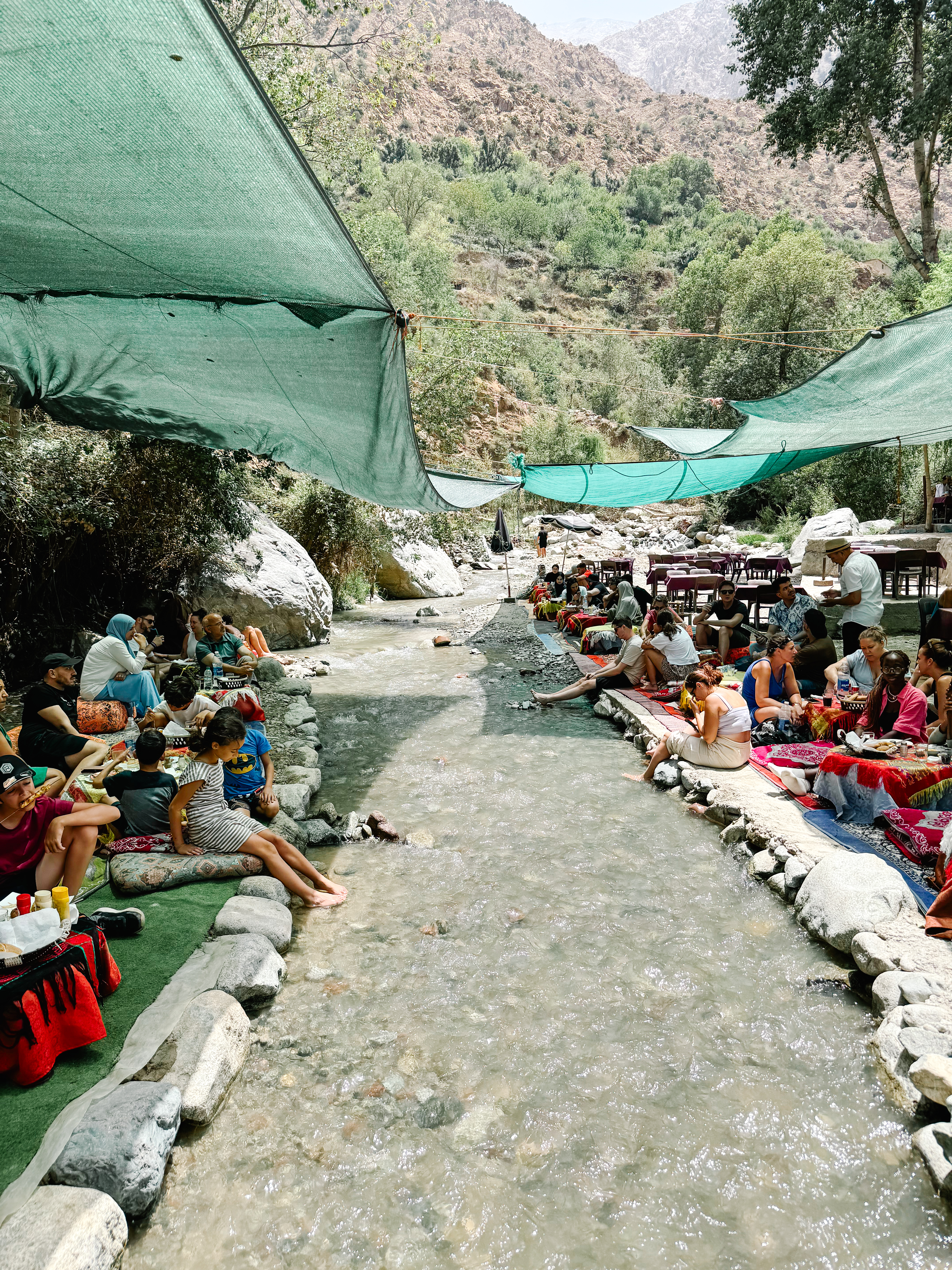
We ended the tour with a peaceful lunch along the river, enjoying the tranquil surroundings before heading back to Marrakech.
This tour was truly fantastic. The guide was knowledgeable, kind, and attentive, making the entire experience unforgettable. If you’re looking for a unique cultural experience while visiting Morocco, I highly recommend you set aside one day of your trip to tour the Ourika Valley.
 She Travels Alone
What are your thoughts?