
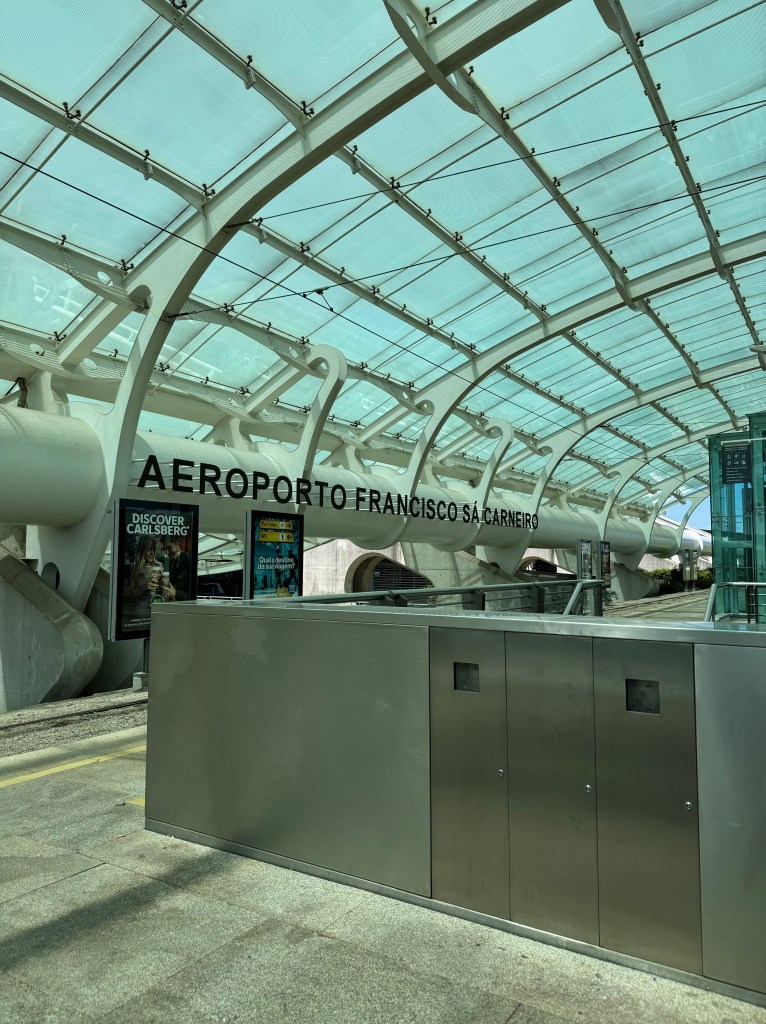
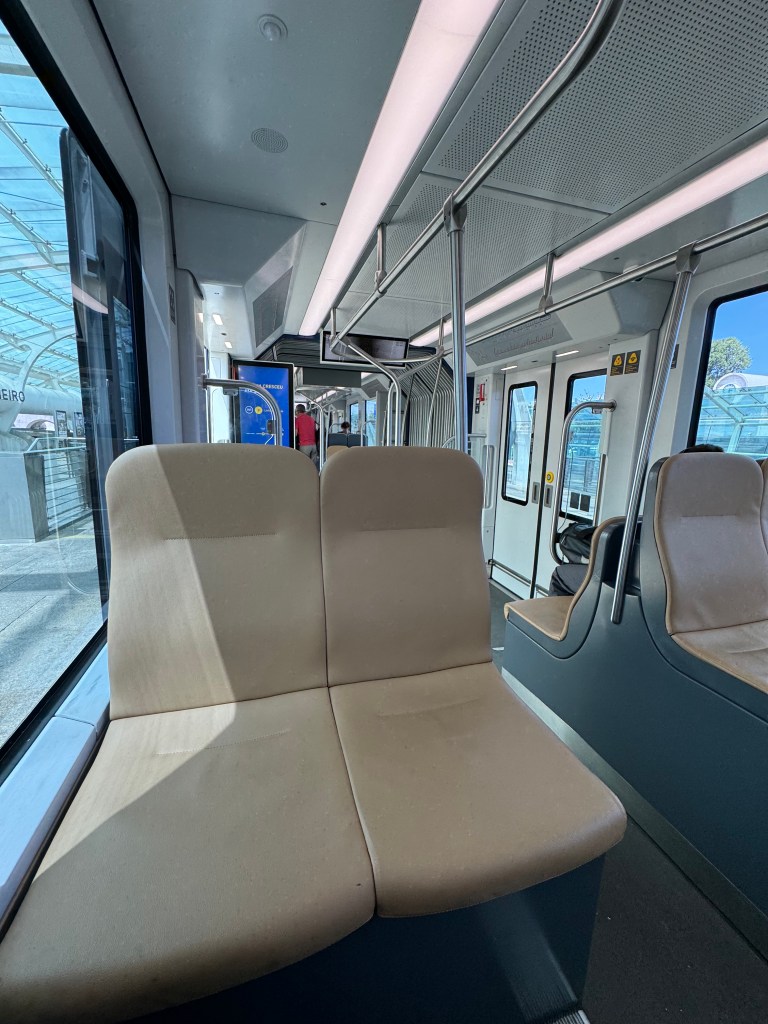
I reluctantly left Barcelona on the morning of July 21 and flew into Porto, Portugal. The first thing that struck me about Porto was the clean, quiet, and fast train from the airport to the city center. I had a few hours to kill before I could check into the flat I had rented, so I had a service pick up my suitcase at the airport (they’d deliver it later after I checked into my flat), and I took the train from the airport into the center of Porto. Porto immediately felt like a safe city. I walked around the center of Porto for a while and then stopped to get something to eat. While finishing my meal, I received a text that my flat was ready to check-in. I took an Uber to the flat and checked in; shortly after, my luggage was dropped off. After my luggage was delivered, I walked to a nearby grocery store to get some fruit, cheese, juice, water, and a few toiletries. The grocery store was great – like a Target but without clothing and home furniture. I decided not to go out for dinner that night and instead ordered Thai food delivery (it was delicious!)
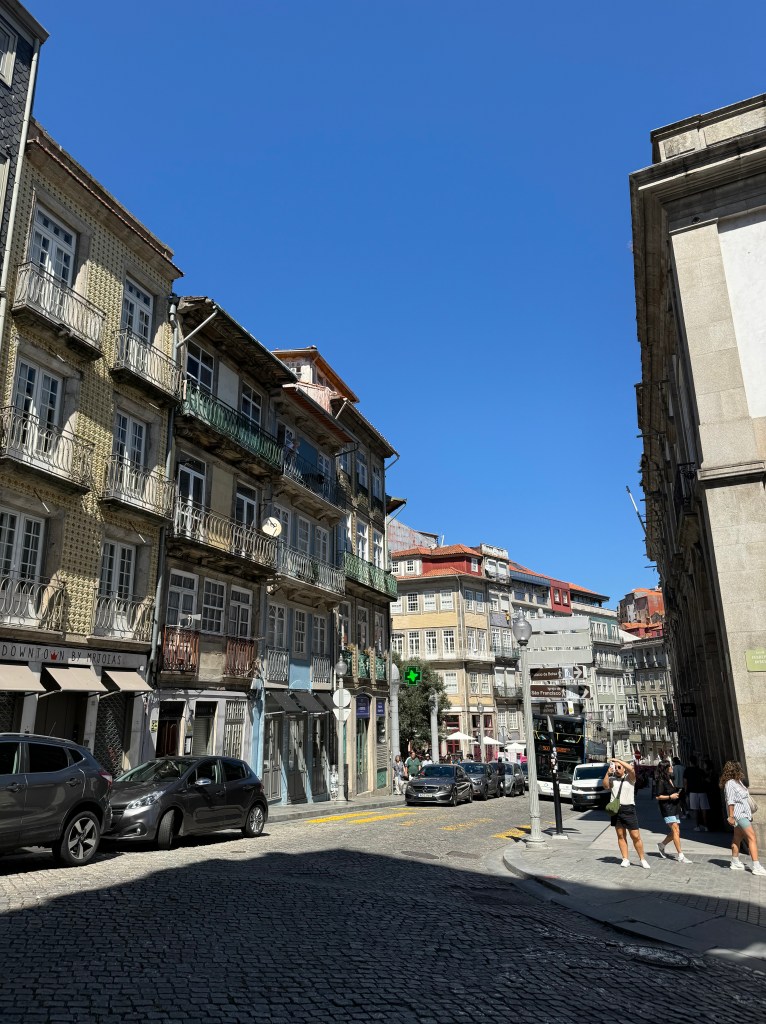
In the next few days, I participated in two walking tours in the beautiful city of Porto, Portugal. Both tours offered a delightful mix of history, culture, and stunning views, providing a comprehensive overview of this vibrant city.
Our journey began at the Portuguese Center of Photography, housed in a former prison that now showcases an impressive collection of photographic works. This location was a fitting start, providing a glimpse into Porto’s rich cultural heritage.
From there, we proceeded to the Palace of Justice, a striking example of modernist architecture that starkly contrasts the historical buildings surrounding it. Our guide shared insights into Portugal’s judicial system and the building’s architectural significance.
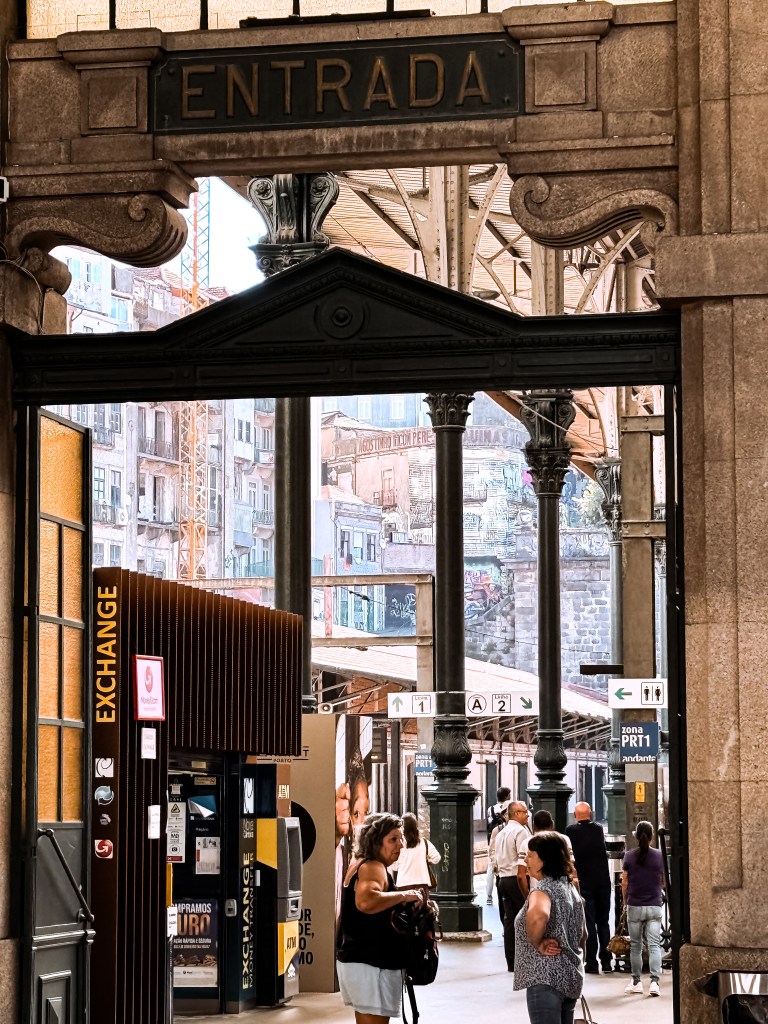
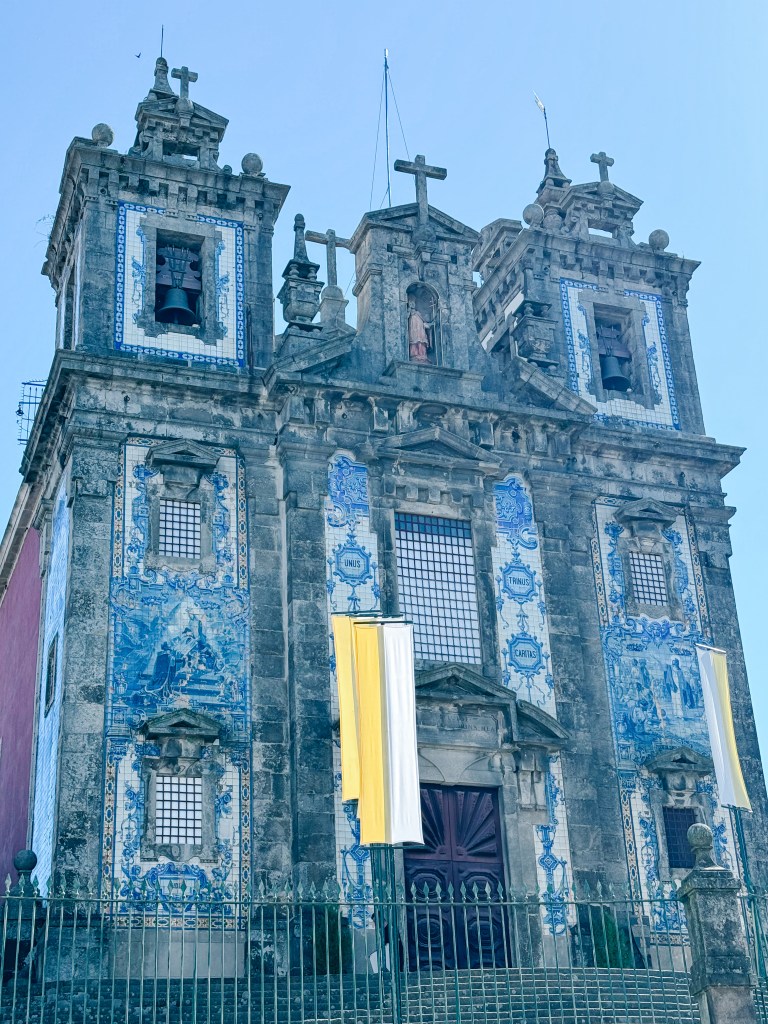

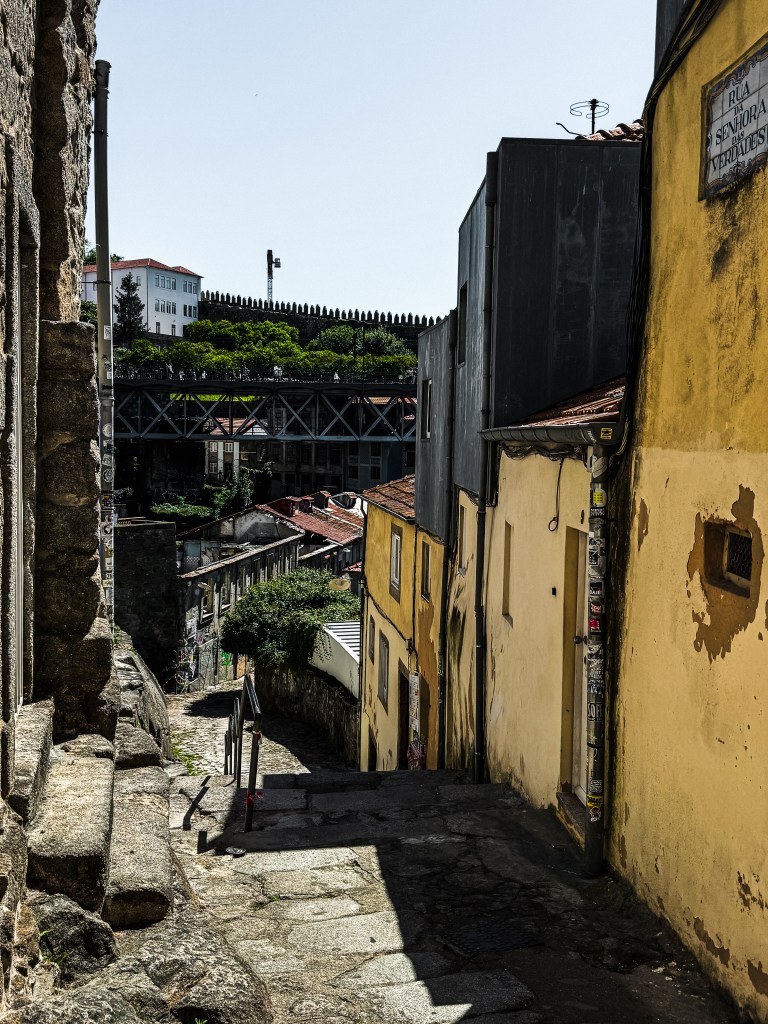
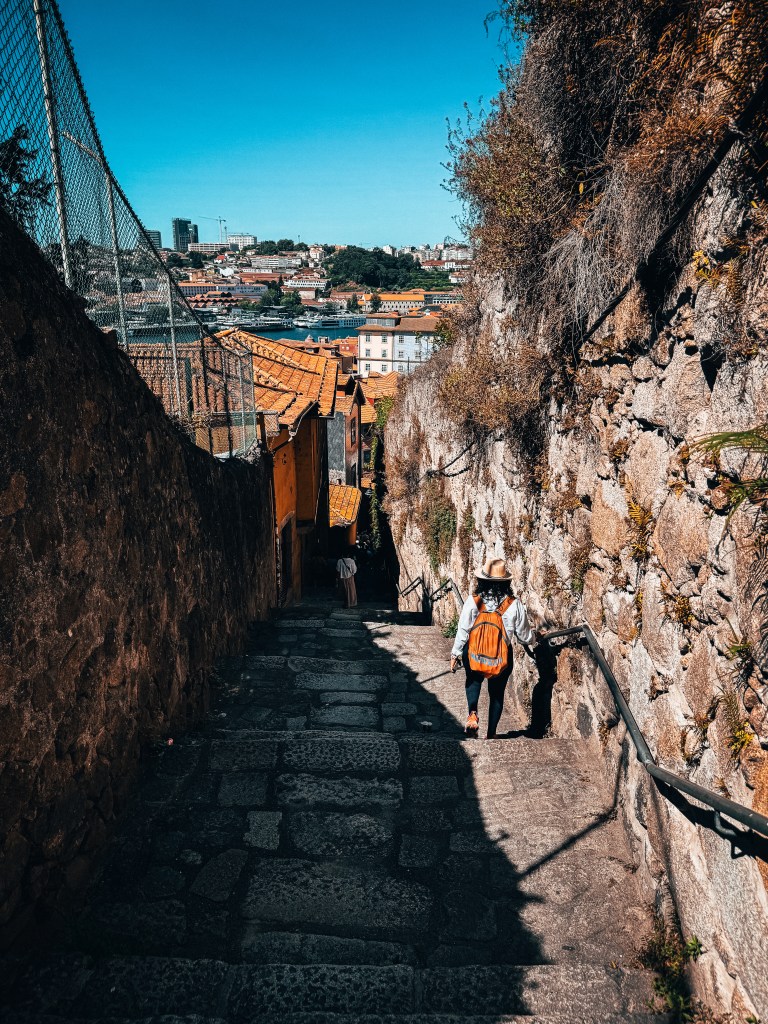
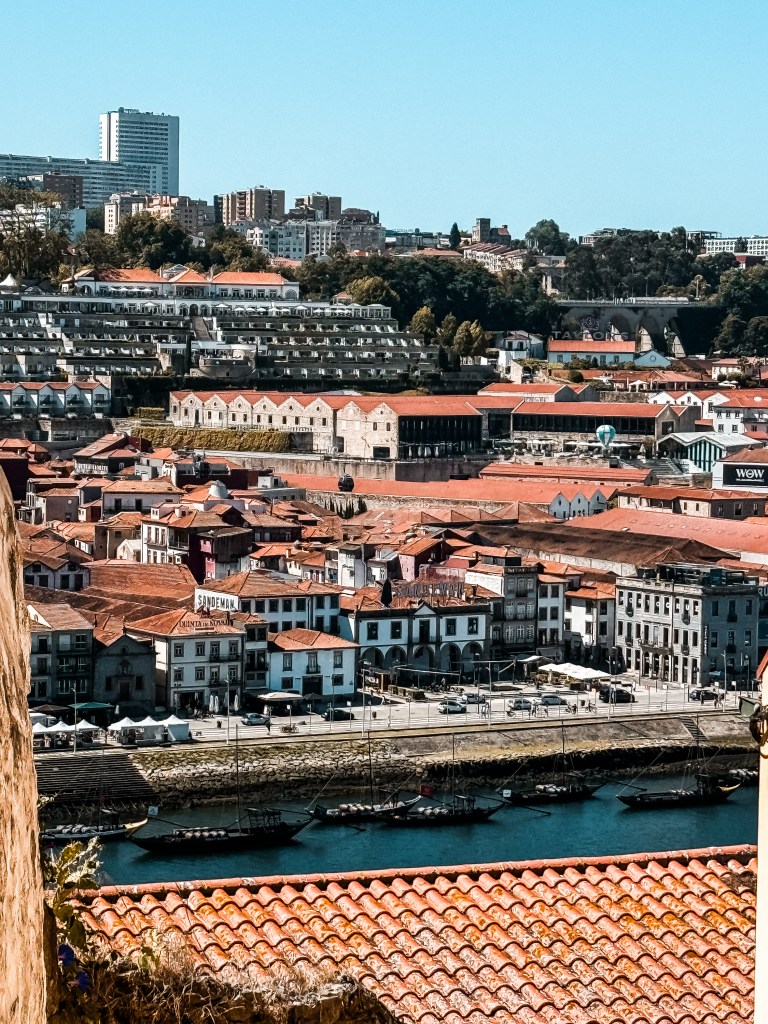
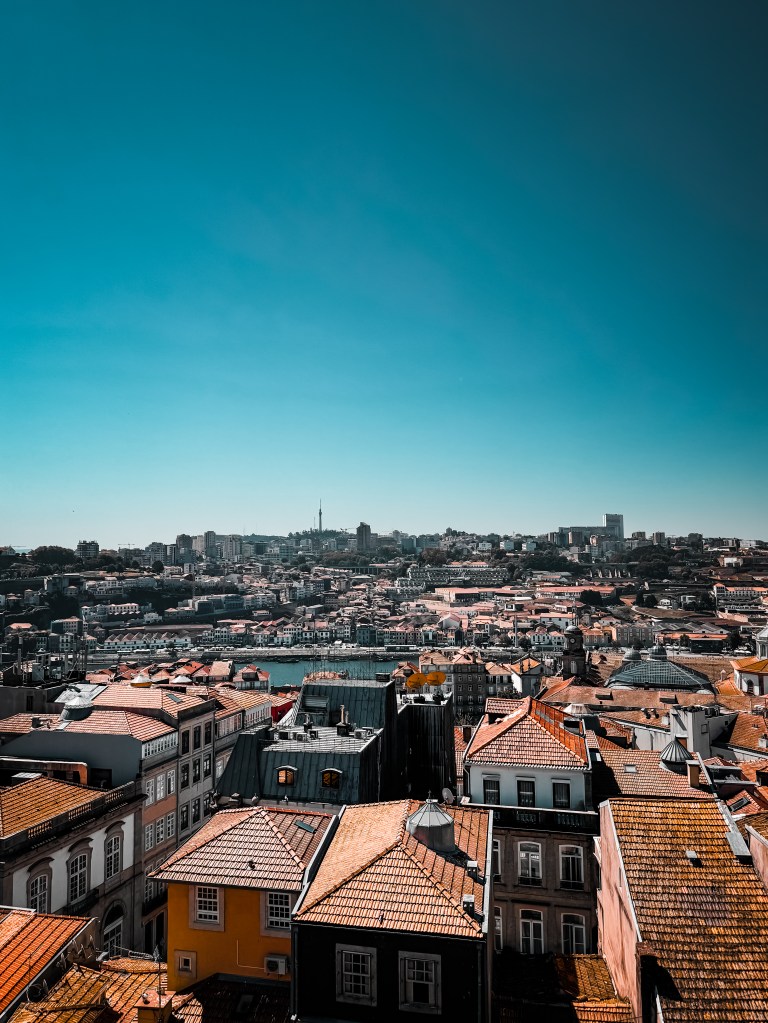
Our next stop was the Miradouro da Vitoria, a viewpoint offering breathtaking panoramas of Porto. From this vantage point, we could see the terracotta rooftops, the Douro River, and the iconic Dom Luís I Bridge, all bathed in the warm glow of the Portuguese sun.
Continuing our walk, we ventured into the Jewish Quarter, a historically significant area that provided a glimpse into the lives of the Jewish community in Porto. The narrow streets and hidden courtyards told stories of resilience and cultural integration.
Another highlight was the Clerigos Tower, which stands tall and offers unparalleled views of the city to those willing to climb its 240 steps. The tower, part of the Clerigos Church, is an emblematic symbol of Porto.
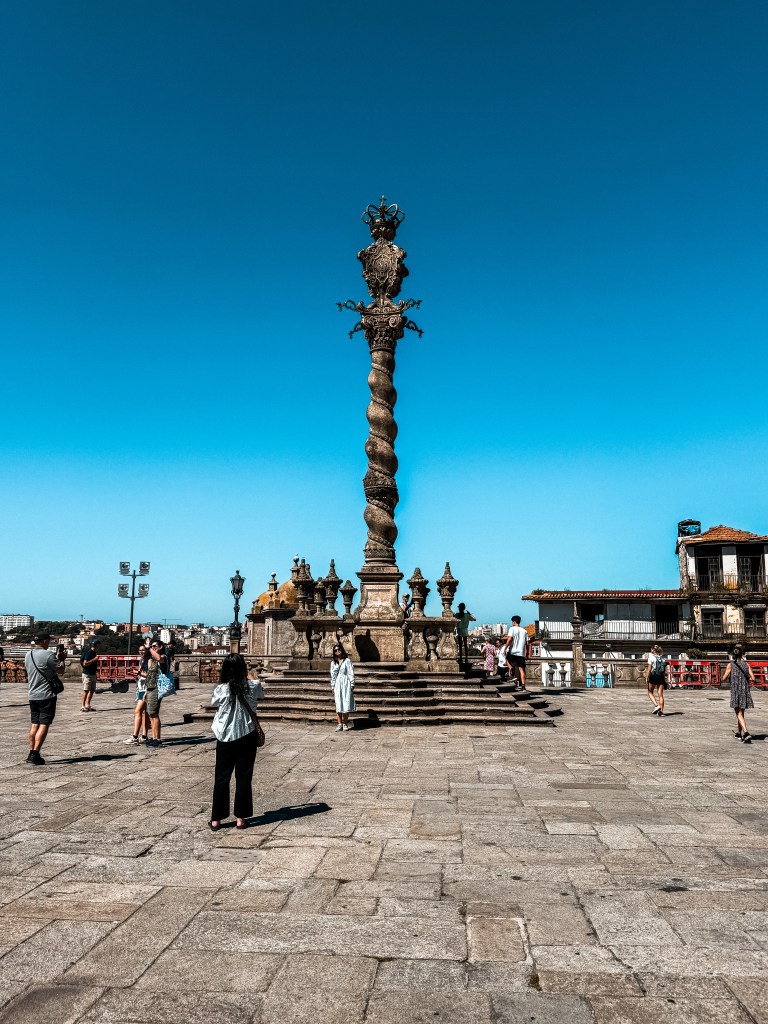

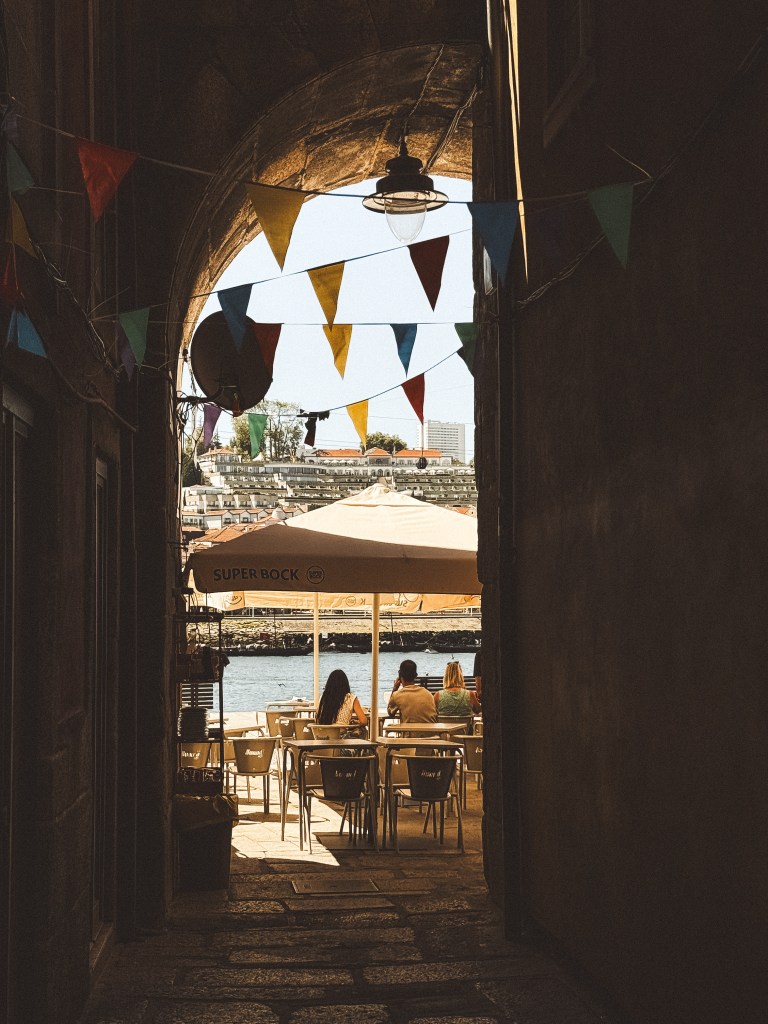
Next, we visited the University of Porto, one of Portugal’s oldest and most prestigious institutions of higher learning. The campus is steeped in academic tradition, and its beautiful buildings reflect a commitment to education and research.
The Church of Carmen and the Lello Bookstore were our subsequent stops. The Church of Carmen, known for its ornate Baroque facade and beautiful azulejos (ceramic tiles), was a visual treat. The Lello Bookstore, often touted as one of the most beautiful bookstores in the world, captivated us with its neo-Gothic architecture and stunning interior, said to have inspired J.K. Rowling’s Harry Potter series.
Strolling down Avenida dos Aliados, we soaked in the grandeur of this central avenue, lined with impressive buildings and statues. This area is the heart of Porto, bustling with activity and offering a snapshot of the city’s modern life.
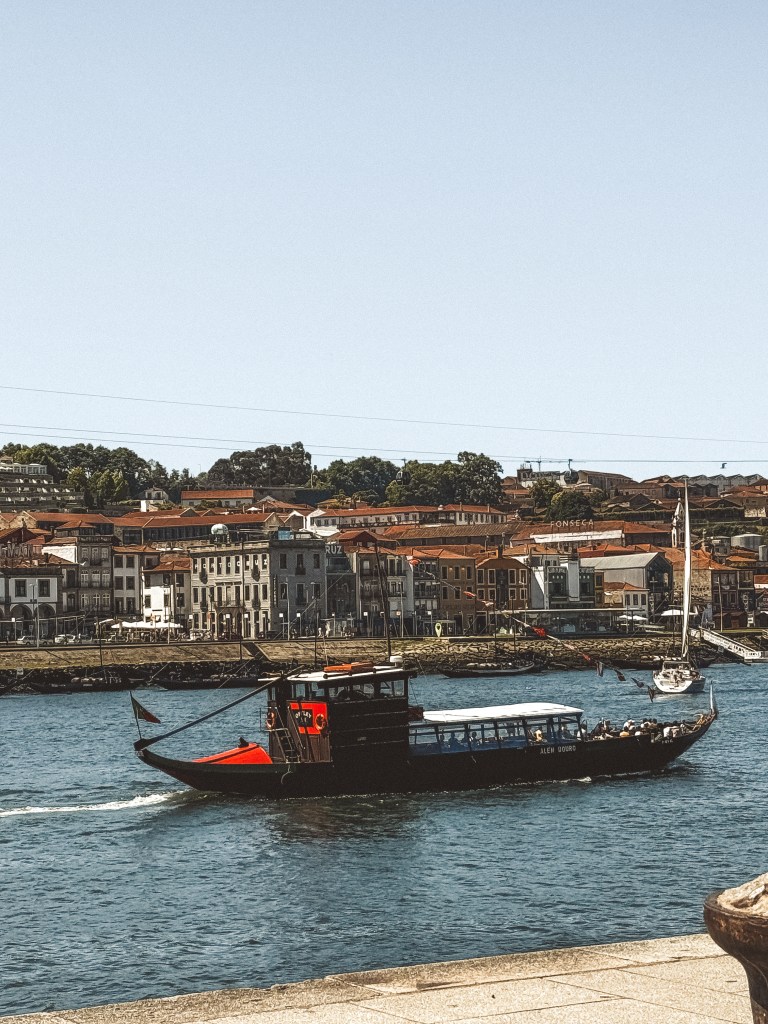
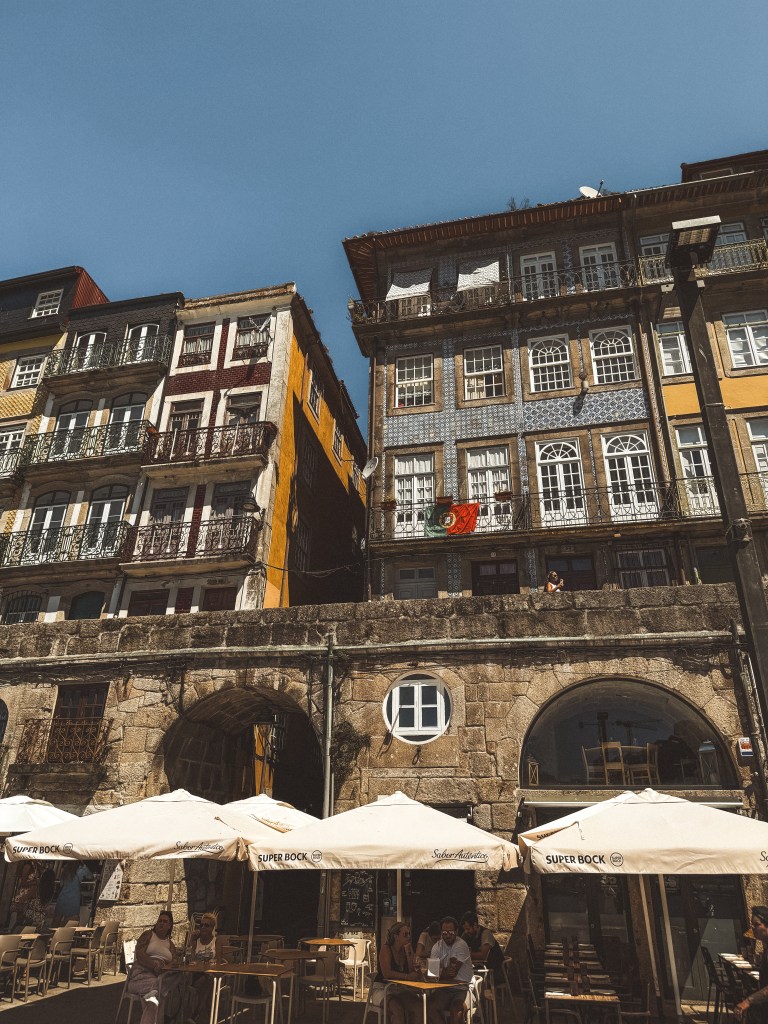
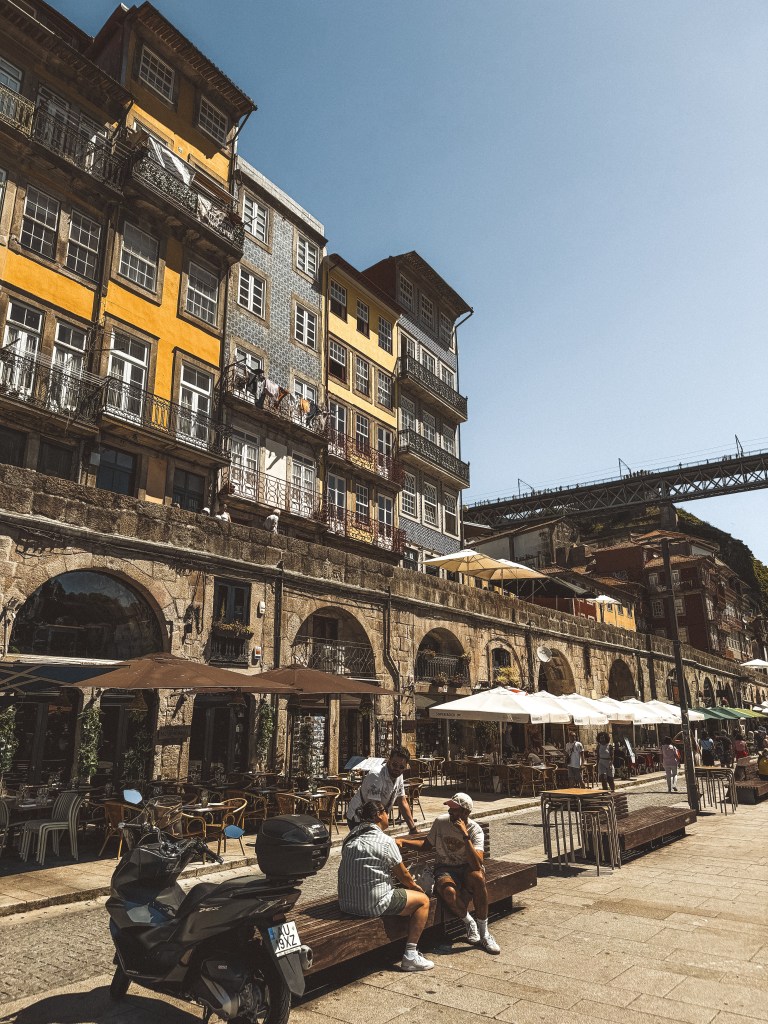
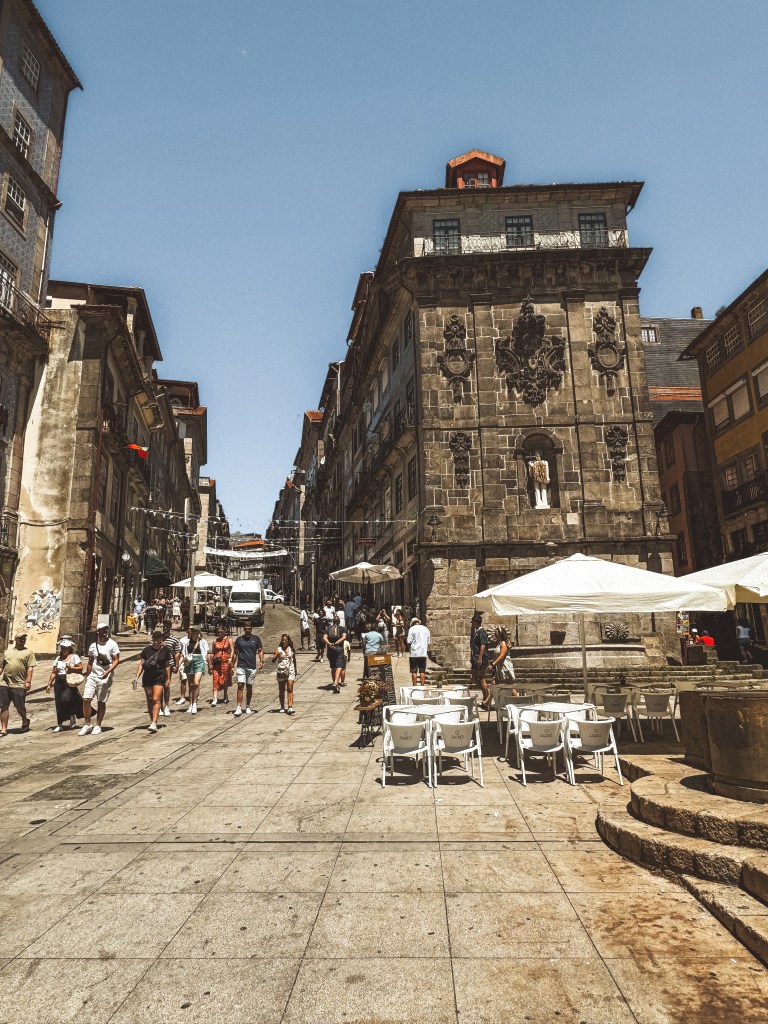
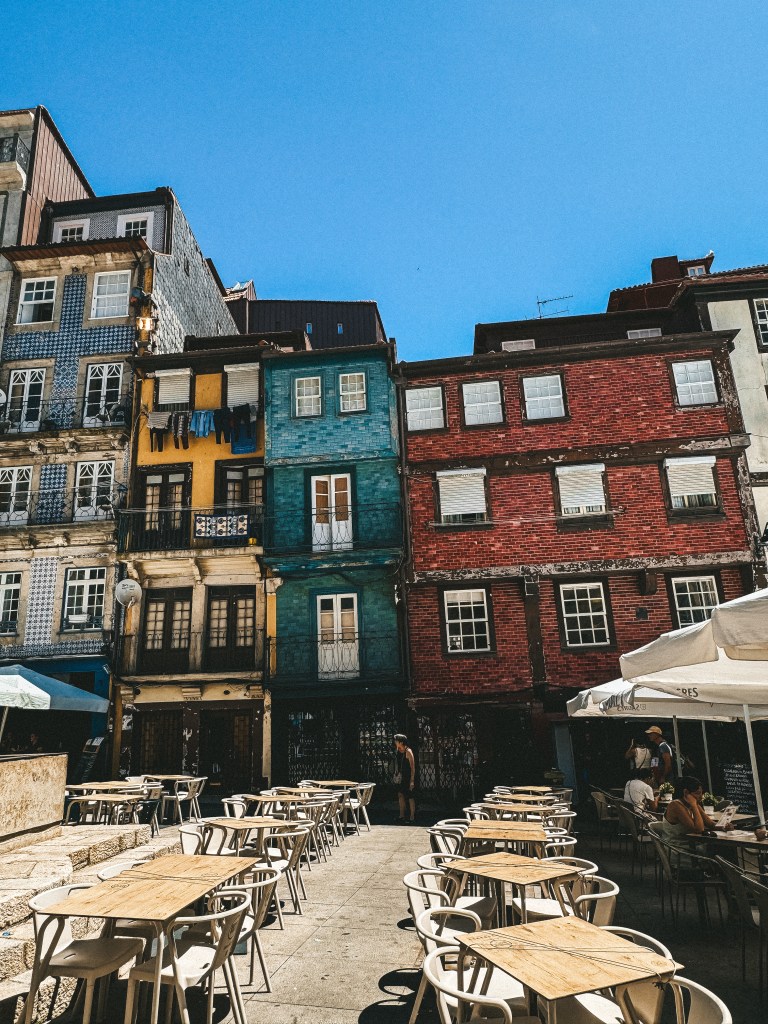
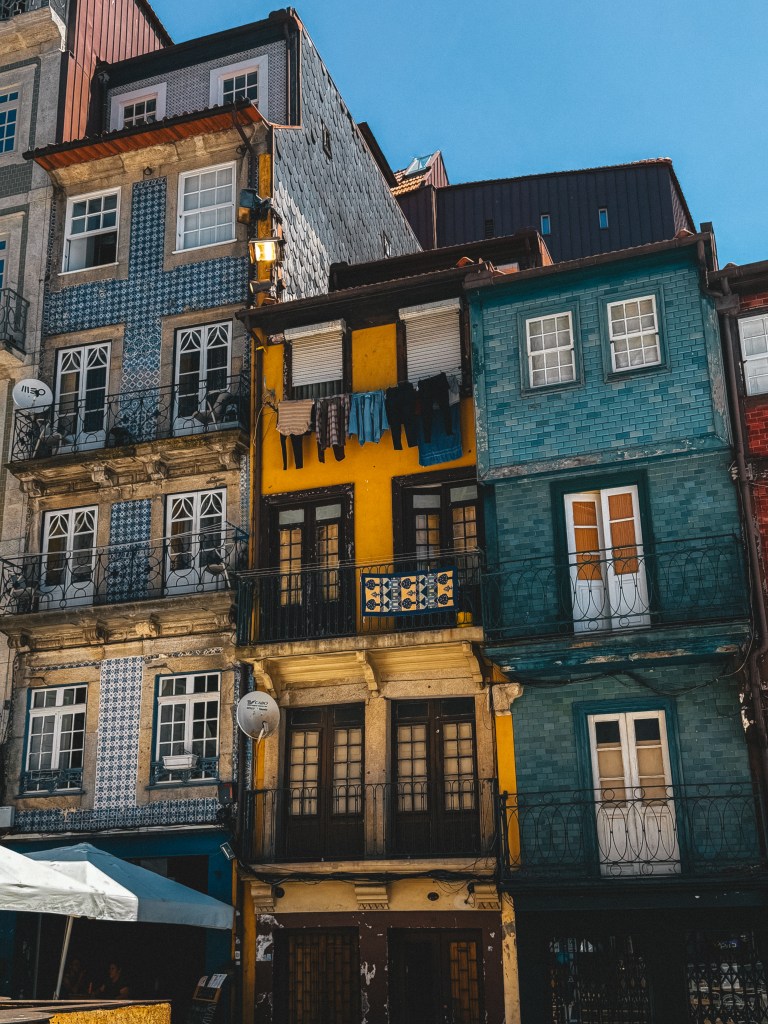
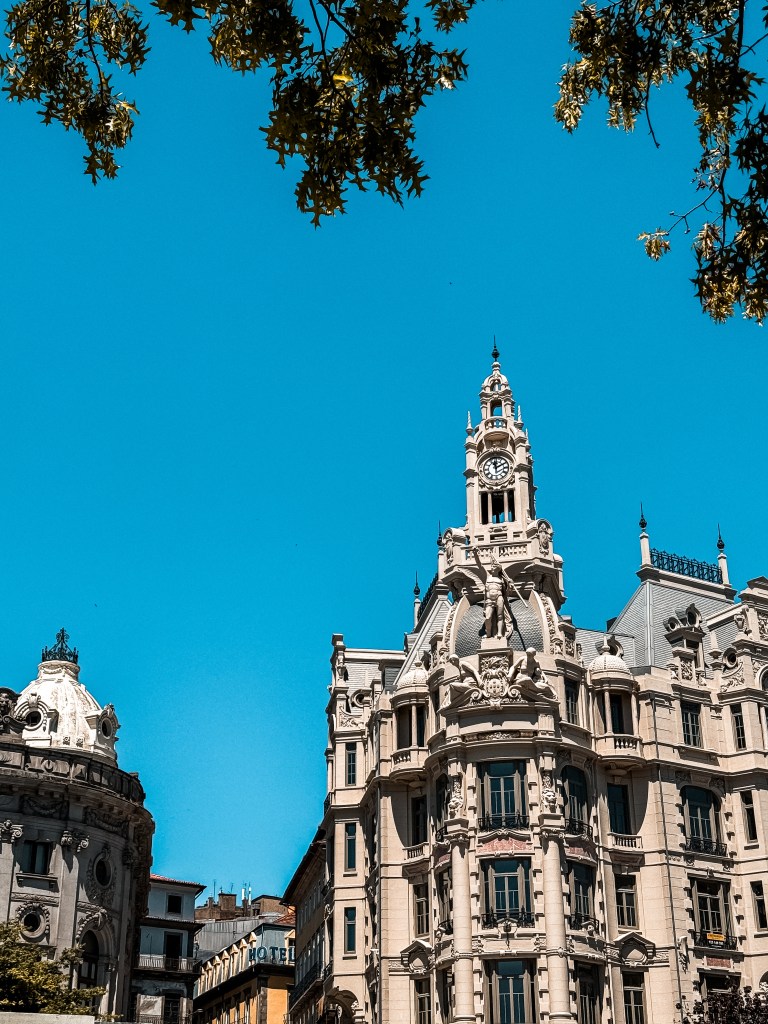
The tour concluded at the São Bento Train Station and Porto Cathedral. The train station is famed for its azulejos depicting historical events, making it a functional yet artistic landmark. Porto Cathedral, one of the city’s oldest and most significant buildings, offered a final, majestic view of Porto’s rich architectural tapestry.
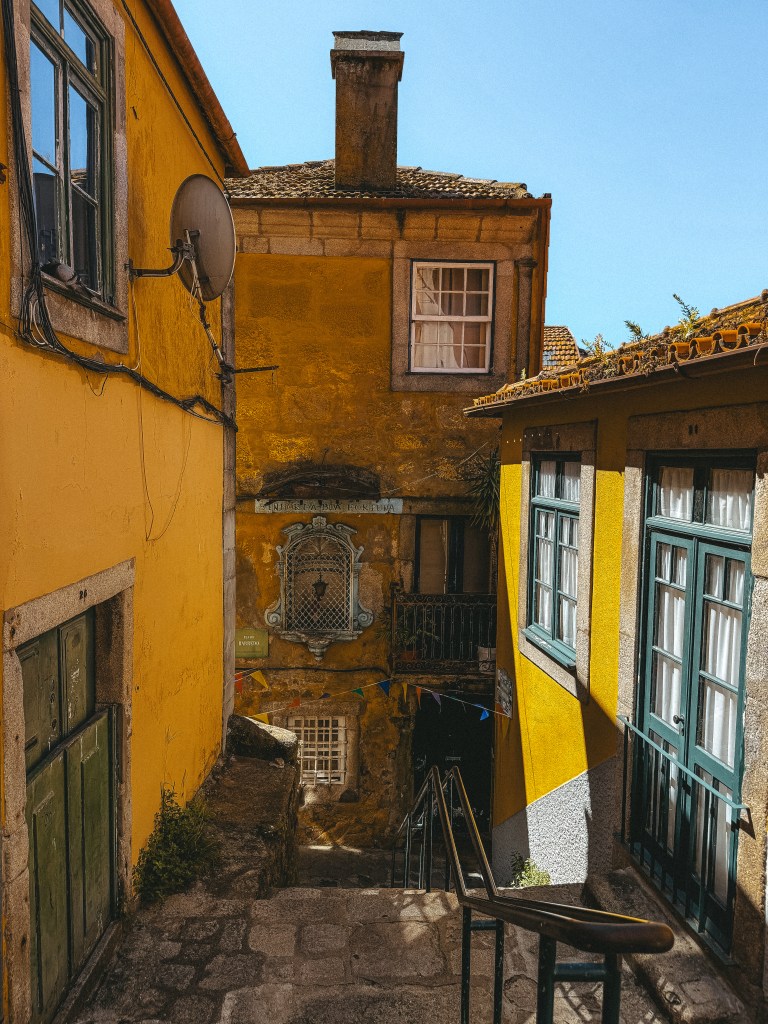
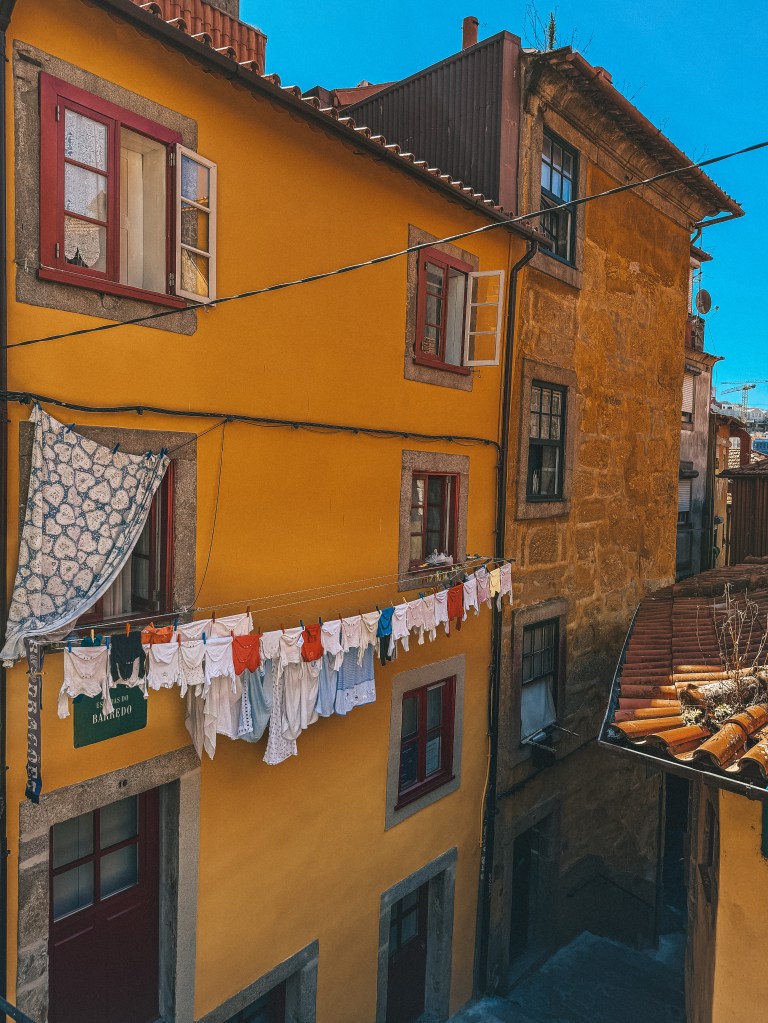
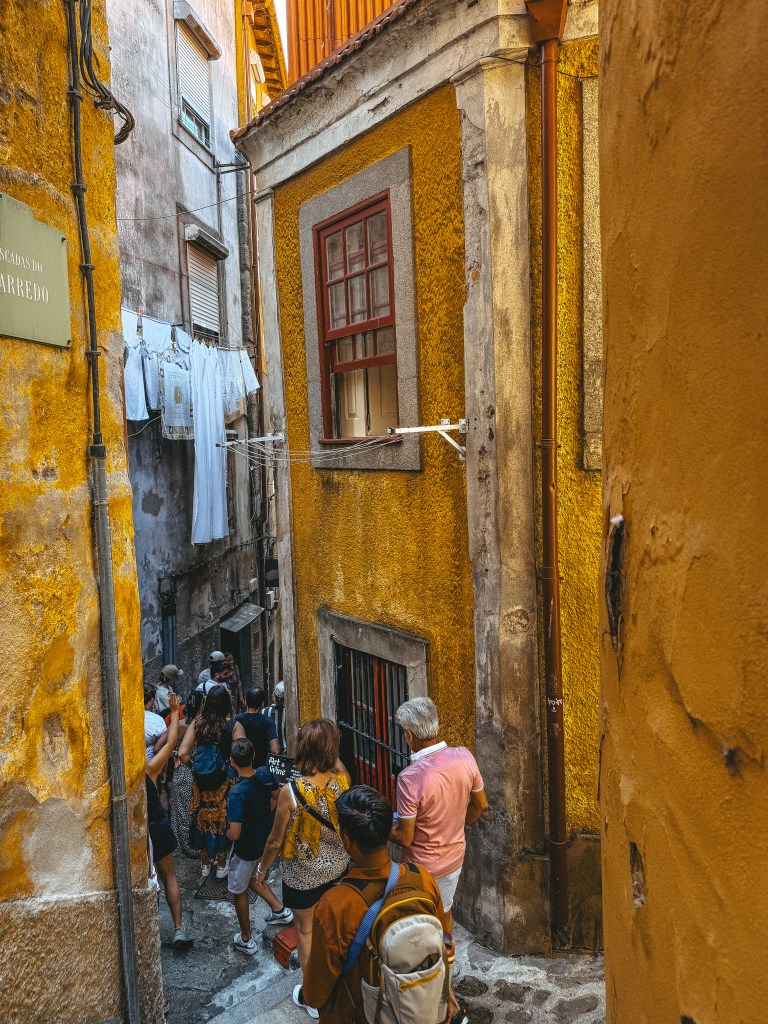
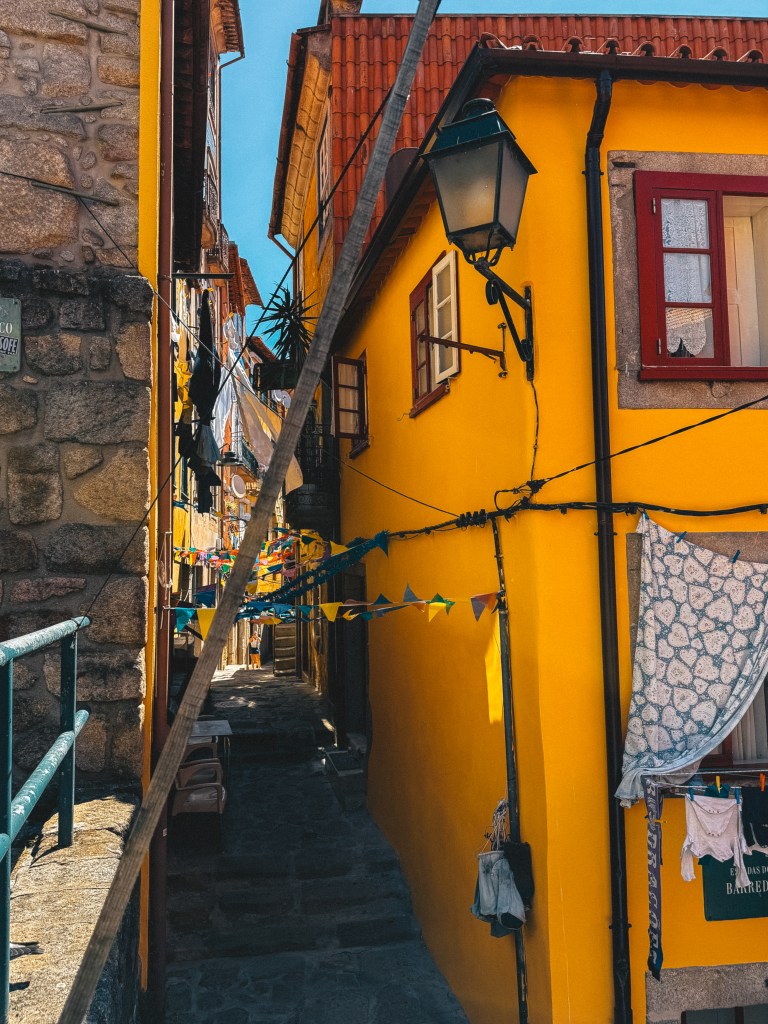
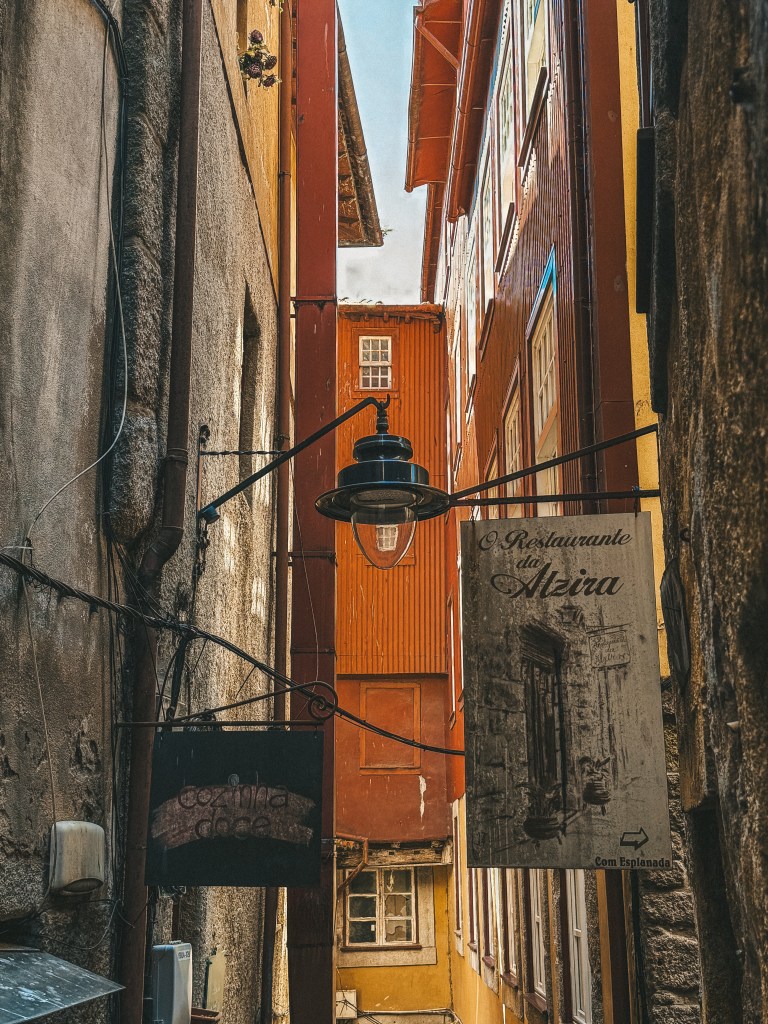
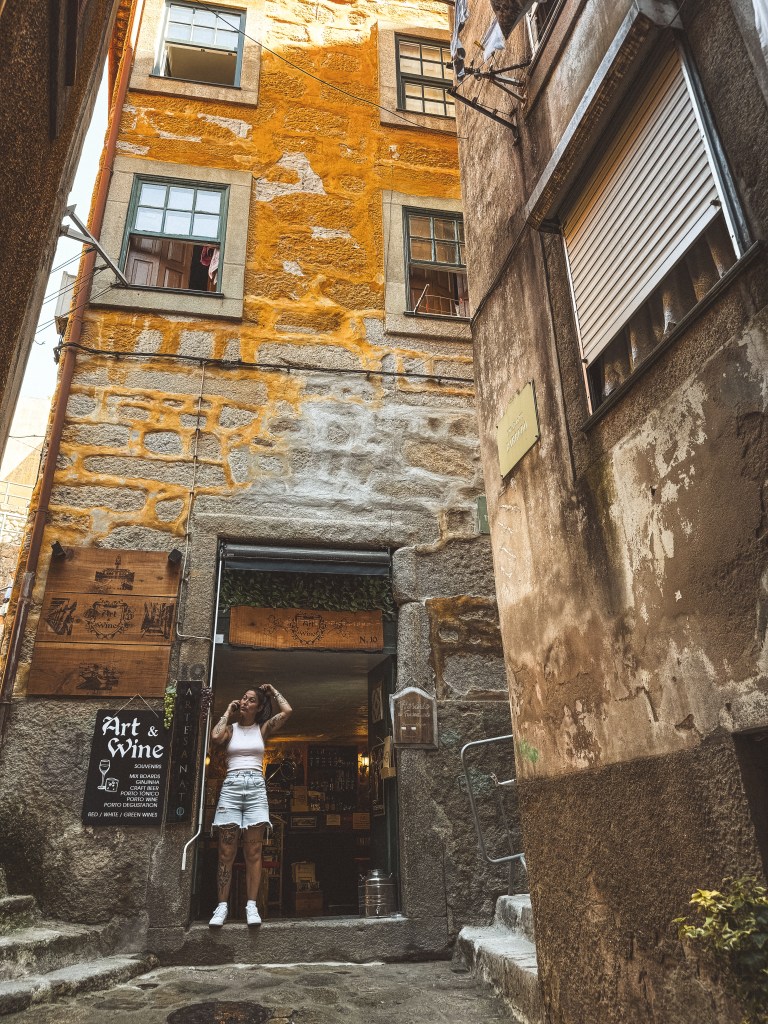
In addition to these primary stops, we also explored the Barredo neighborhood and the Ribeira quarter. The Barredo neighborhood considered the oldest part of Porto, charmed us with its narrow, winding streets and steep staircases, which seemed to transport us back in time. Its labyrinthine layout and traditional houses provided a stark contrast to the more modern parts of the city. Our tour guide, Sergio, led us to a bakery that serves the restaurants in the area. He said that the bakery does not sell to people, but he knows the owner, and she sells her delicious treats to his tours when he brings them. I bought a slice of chocolate cake, and it was DELICIOUS. It was a nice break from all the stairs!
The Ribeira quarter, located along the Douro River, is a UNESCO World Heritage Site. This area is vibrant and lively, filled with restaurants, cafes, and street performers. The colorful buildings and the riverside promenade made it a perfect spot to unwind and enjoy the scenic beauty of Porto.
Porto, with its rich history dating back to Roman times and as part of the ancient kingdom of Portugal established in 1139, seamlessly blends the old with the new. These walking tours offered an immersive experience, showcasing this historic city’s diverse and captivating aspects. Whether you’re a history buff, a culture enthusiast, or simply looking to enjoy stunning views, Porto has something for everyone.
 She Travels Alone
What are your thoughts?