
During my trip to Barcelona, I haopportunity to explore the architectural marvels of Antoni Gaudí on a walking tour focused on the Art Nouveau style of architecture. Gaudí’s unique and imaginative works have long intrigued me and seeing them in person was an experience that exceeded all expectations.
Casa Batlló: A Dreamlike Masterpiece


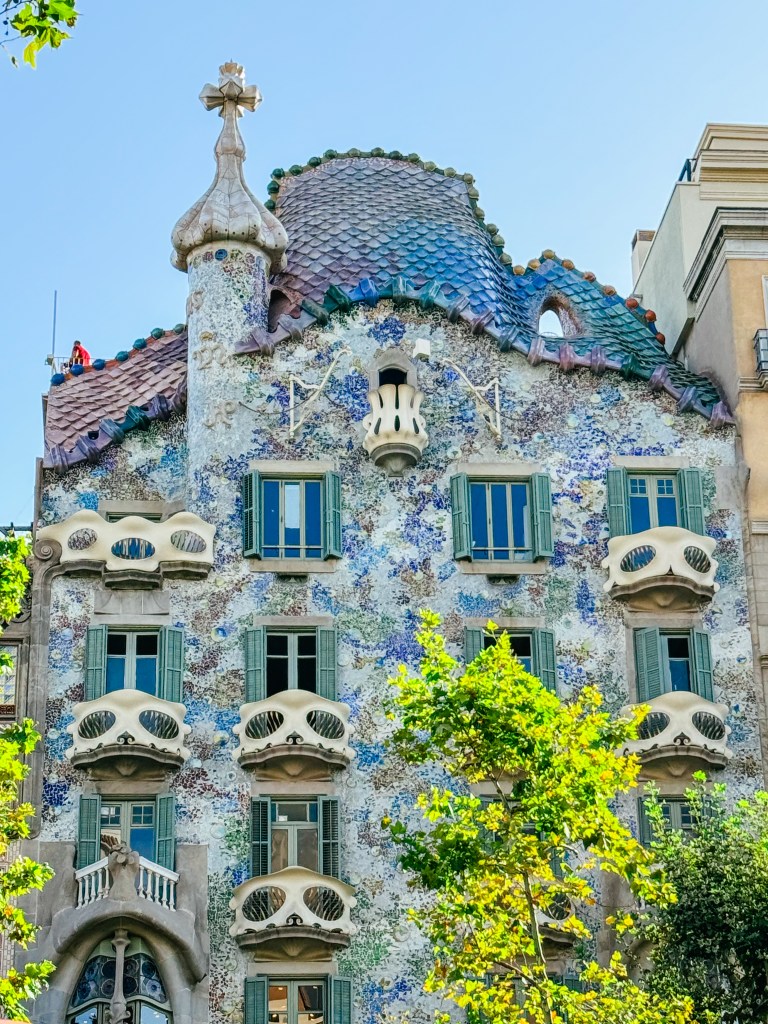
Our tour began at Casa Batlló, a building that embodies Gaudí’s genius. The moment I laid eyes on it, I was in awe. The building’s undulating facade, adorned with vibrant mosaics and whimsical shapes, felt like something out of a fairy tale. I’d seen countless photos online, but none prepared me for this masterpiece’s sheer beauty and intricate details. The colors, the shapes, the organic forms—it was like stepping into a dream.
Casa Milà: An Organic Form

Next, we visited Casa Milà, also known as La Pedrera. This building is less flashy than Casa Batlló, yet its unique design and innovative features still left a strong impression on me. The undulating stone facade and the wrought-iron balconies give it a natural, almost cave-like appearance. It’s a testament to Gaudí’s ability to blend functionality with art, even in a more subdued design.
Sagrada Familia: A Monument of Devotion

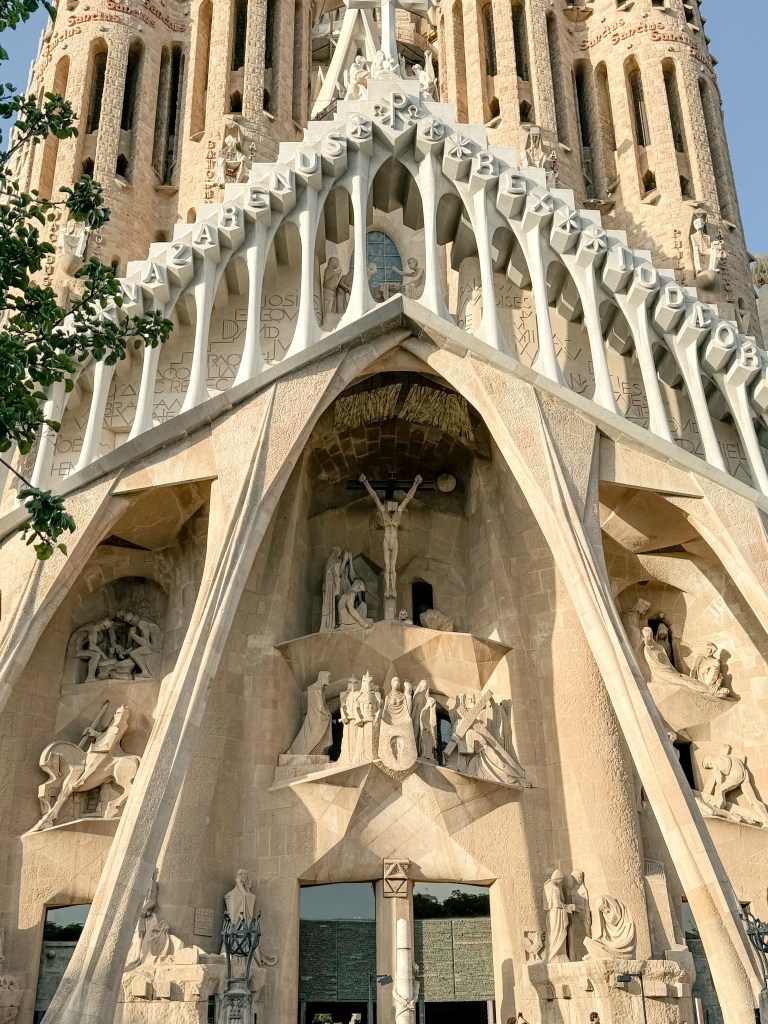


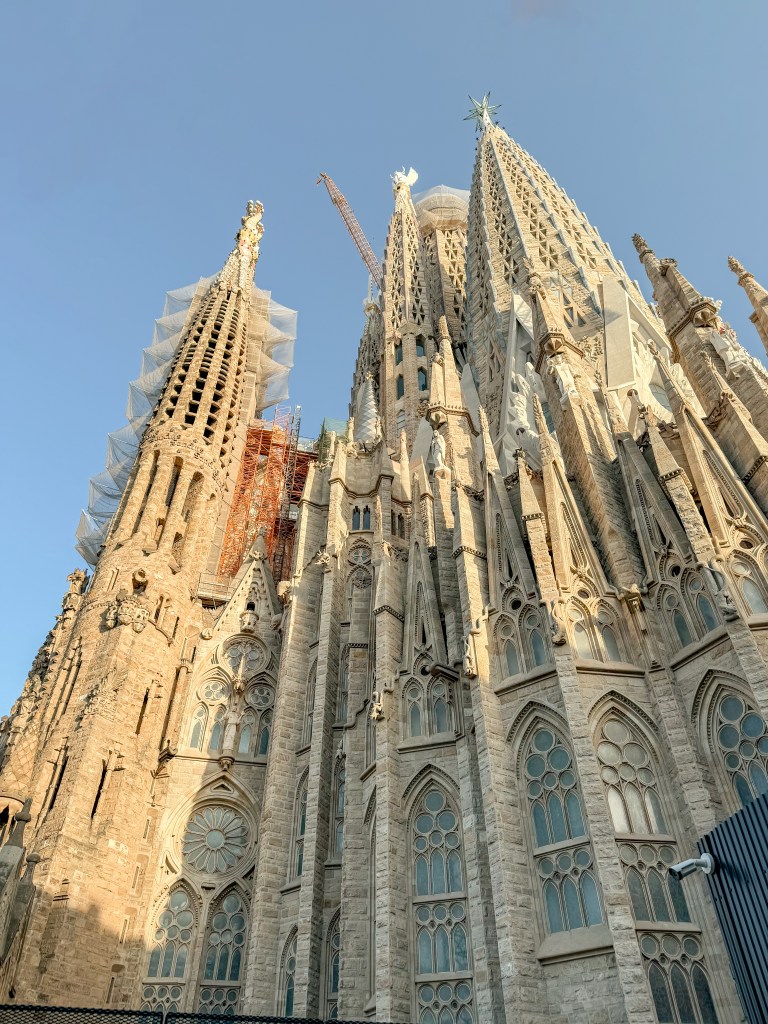


Our final stop was the Sagrada Familia, the iconic basilica synonymous with Barcelona. I was overwhelmed as we exited the metro and the cathedral emerged high above us. The towering spires, the intricate facades, and the sheer scale of the structure left me breathless. Despite having seen numerous photos, nothing could compare to the grandeur and spiritual intensity of the Sagrada Familia in person. I wandered in awe, repeatedly whispering, “Oh my god, this is incredible.” The detail, the symbolism, and the visionary ambition of this project are unmatched. It truly is a once-in-a-lifetime sight.
The Life and Legacy of Antoni Gaudí
Antoni Gaudí was born on June 25, 1852, in Reus, a small town in Catalonia, Spain. From a young age, he showed a keen interest in architecture and nature, which later profoundly influenced his work. He studied architecture at the Escola Tècnica Superior d’Arquitectura in Barcelona, graduating in 1878.
Gothic and traditional Catalan architectural styles influenced Gaudí’s early works, but he soon developed his distinctive style characterized by vibrant colors, organic shapes, and intricate details. His work was heavily influenced by his deep Catholic faith and love of nature.
Major Works and Contributions
· Casa Vicens (1883-1888): Gaudí’s first major project showcased his early style, incorporating colorful tiles and asymmetrical forms.
· Palau Güell (1886-1888): A mansion in Barcelona that features an innovative use of space and light, designed for the industrial tycoon Eusebi Güell.
· Park Güell (1900-1914): Originally intended as a residential park, it is now a public park featuring stunning mosaics, serpentine benches, and imaginative structures.
· Casa Batlló (1904-1906): Known for its organic shapes and vibrant facade, it’s a masterpiece of modernist architecture.
· Casa Milà (La Pedrera) (1906-1912): An apartment building with a unique undulating stone facade and innovative structural solutions.
· Sagrada Familia (1882-ongoing): Gaudí’s magnum opus, an awe-inspiring basilica that remains under construction today. It is renowned for its ambitious design, intricate facades, and symbolic elements.
Tragic End and Enduring Impact
Gaudí dedicated the last years of his life entirely to the Sagrada Familia. On June 7, 1926, he was struck by a tram and died three days later, on June 10, at the age of 73. He was buried in the crypt of the Sagrada Familia, the very project that consumed his final years.
Gaudí’s innovative approach to architecture, his integration of crafts such as ceramics and ironwork into his buildings, and his profound respect for nature and religion have left an indelible mark on the world of architecture. Today, his works are celebrated as UNESCO World Heritage Sites, attracting millions of visitors from around the globe.
Reflections…
Walking through the streets of Barcelona, I felt deeply connected to Gaudí’s vision and creativity. His ability to transform natural forms into architectural wonders is unparalleled. Each of his works is a testament to his genius and seeing them in person was a truly inspiring experience.
For anyone with a love of architecture or a passion for travel, visiting Gaudí’s masterpieces in Barcelona is an absolute must. These sites are not just buildings; they are living works of art that tell the story of a man who saw the world in a way that no one else did. Gaudí’s legacy continues to inspire and captivate, reminding us of the boundless possibilities of human creativity.
 She Travels Alone
What are your thoughts?