Today’s adventure took me to Poble Espanyol, a unique open-air museum in Barcelona that offers a glimpse into Spain’s rich architectural diversity. Nestled on Montjuïc hill, this village was originally constructed for the 1929 Barcelona International Exposition. It was intended to showcase various Spanish regions’ architectural heritage and cultural essence. Little did I know that this fascinating village would take me on a solo journey through the many facets of Spanish history and architecture.
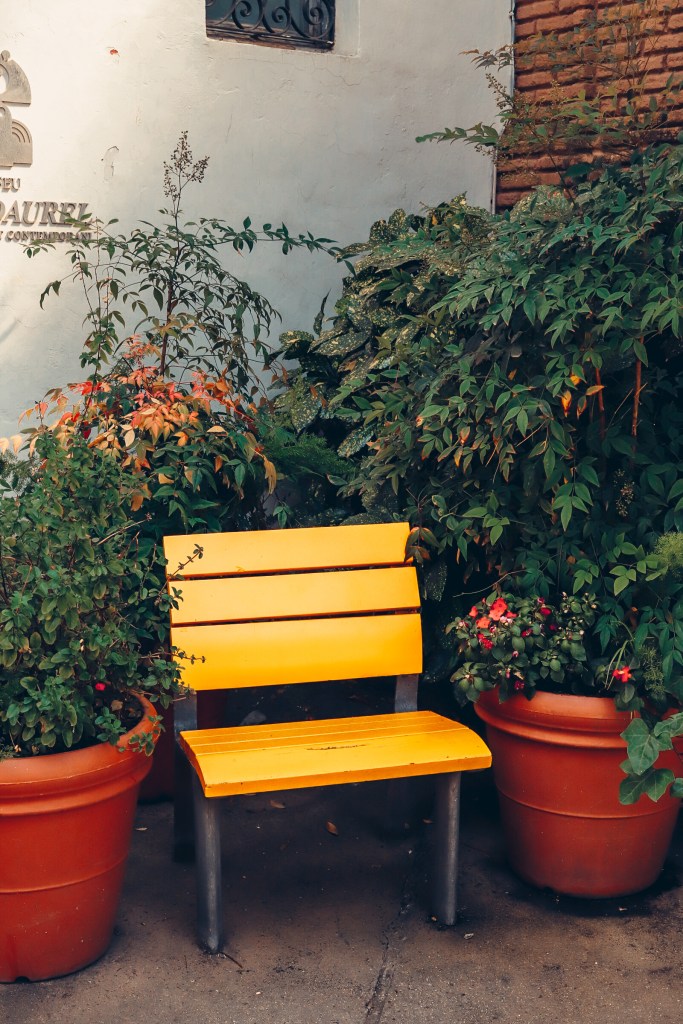
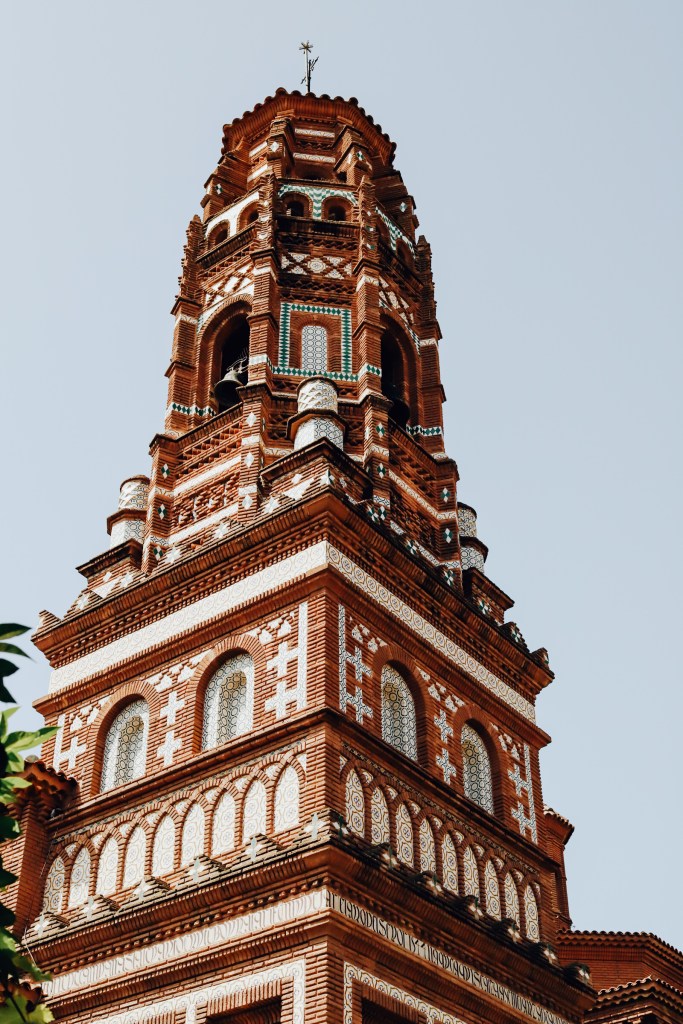
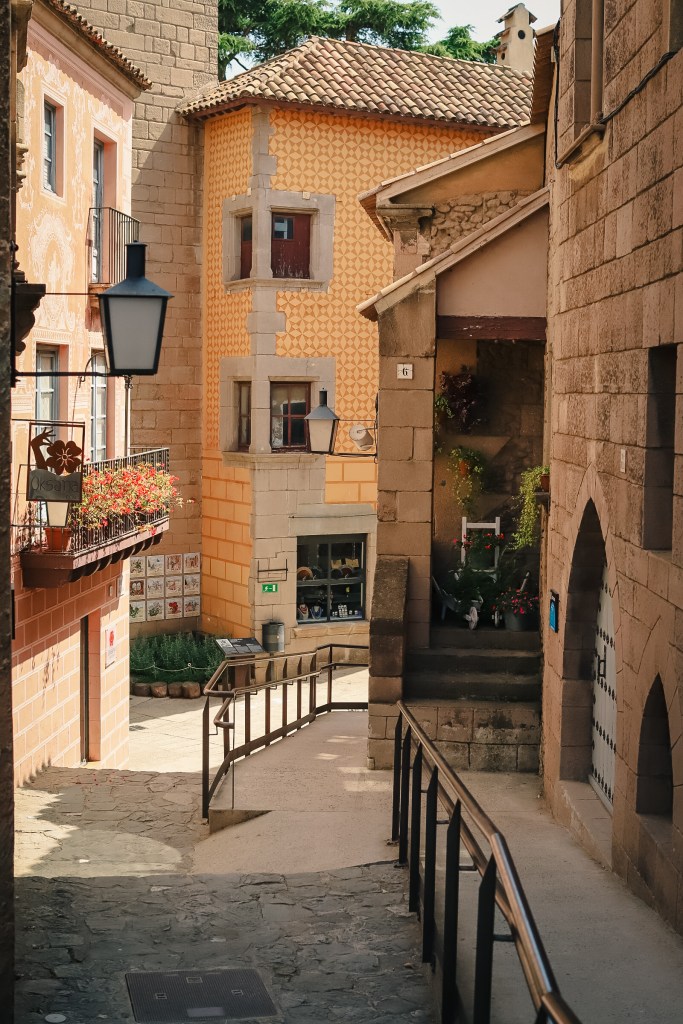
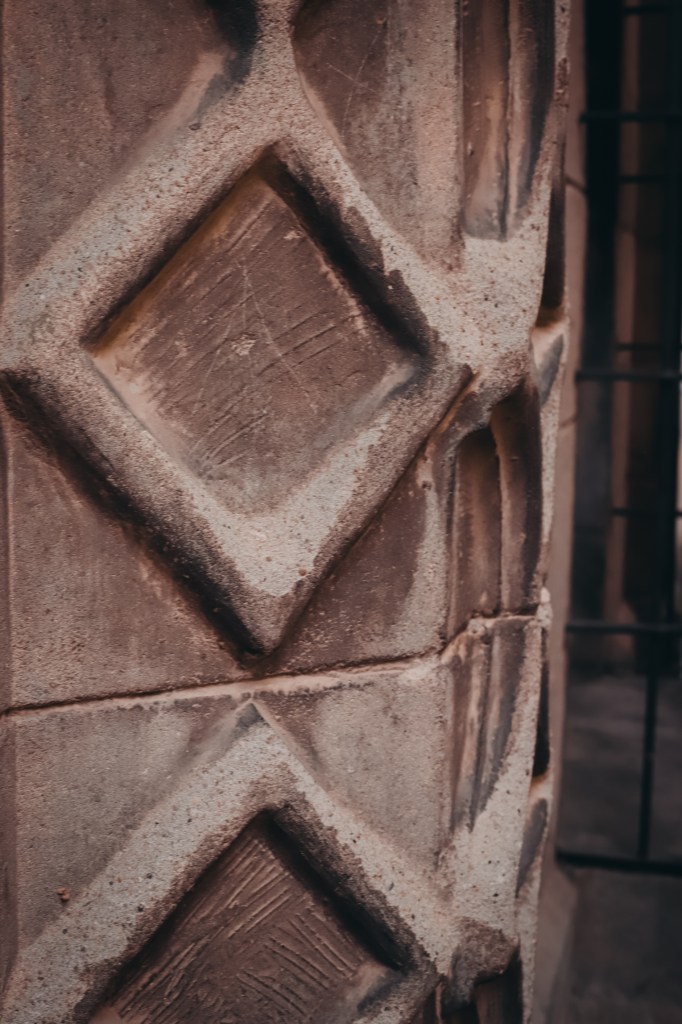
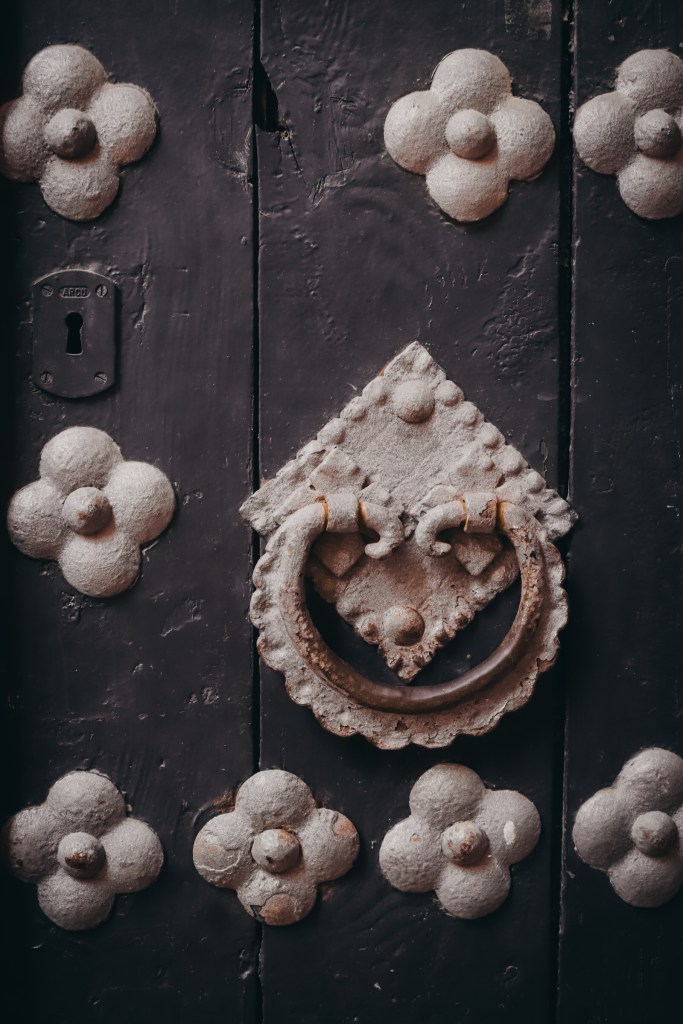
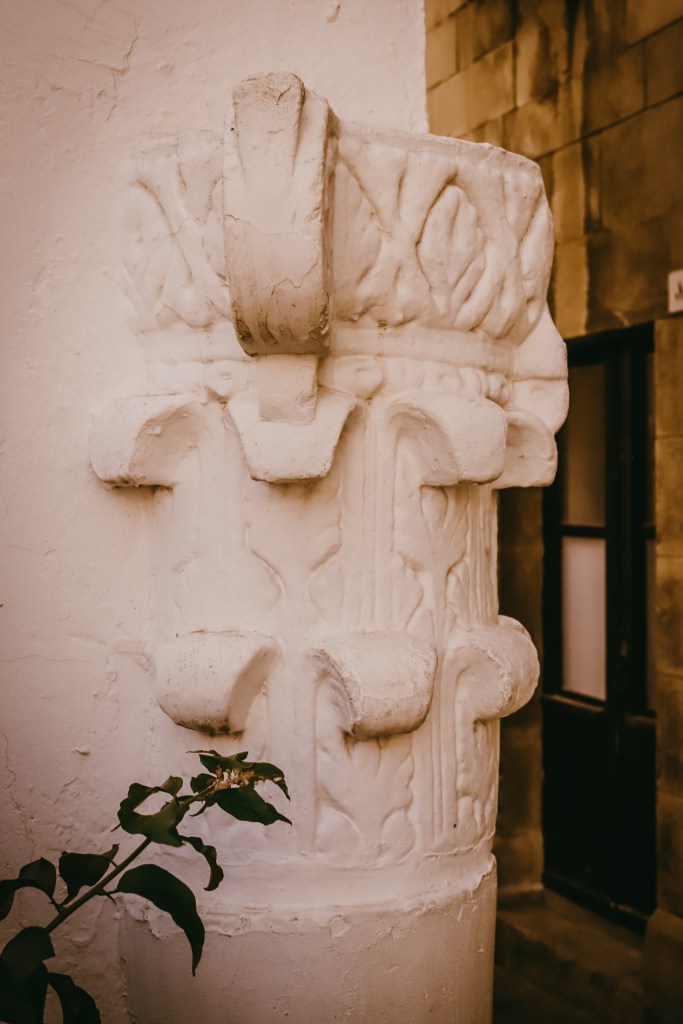
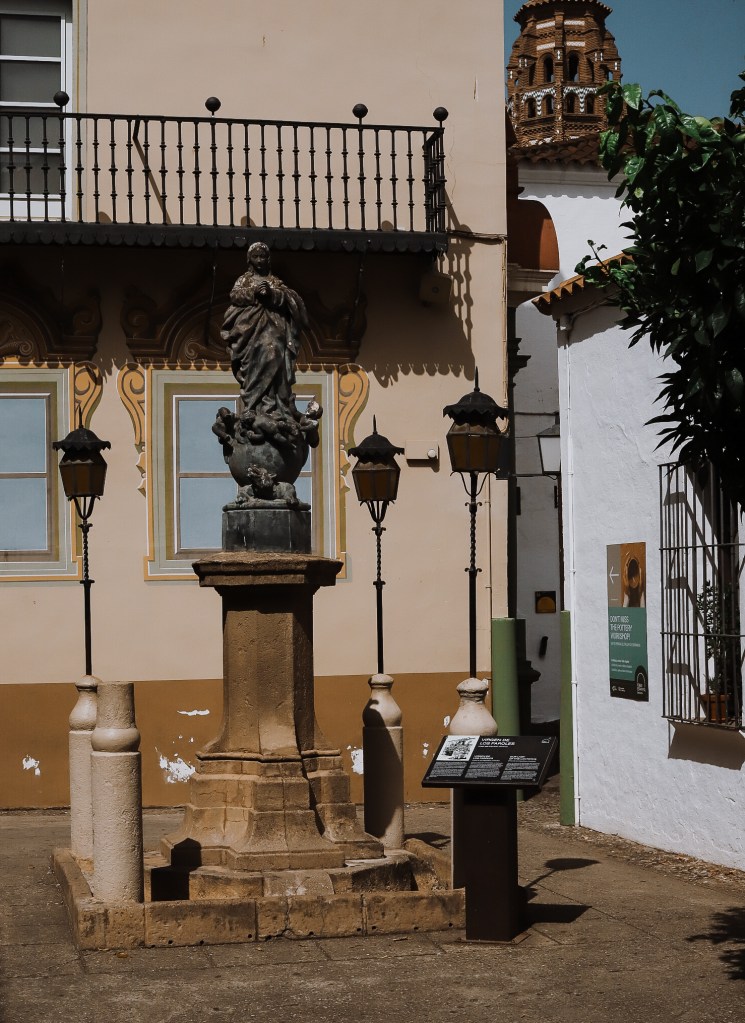
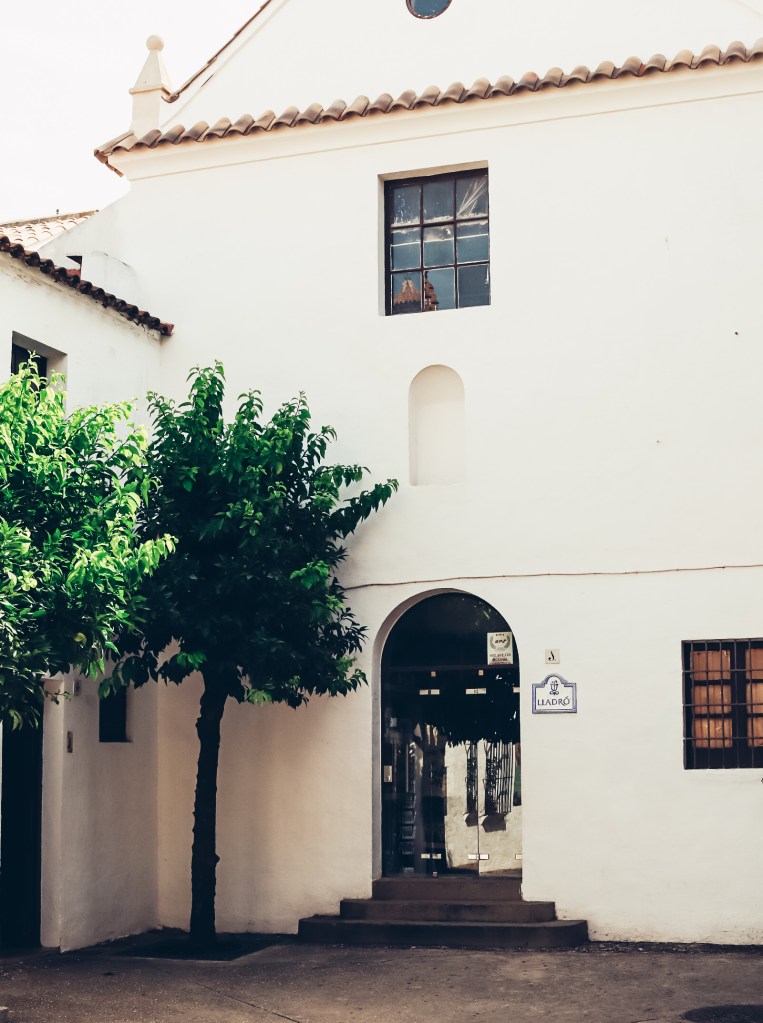
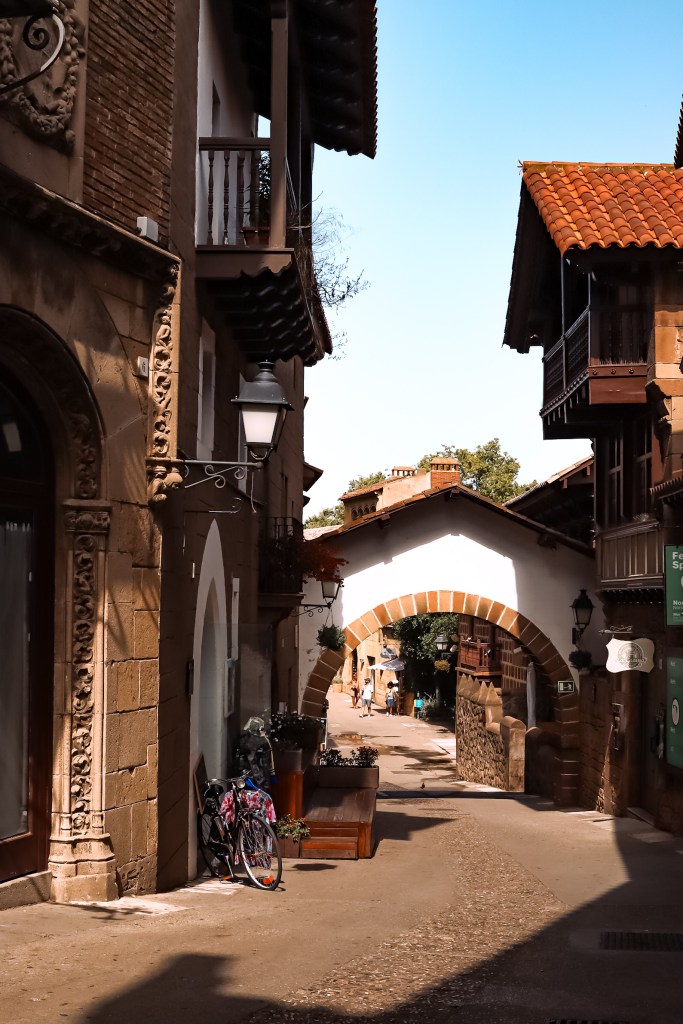
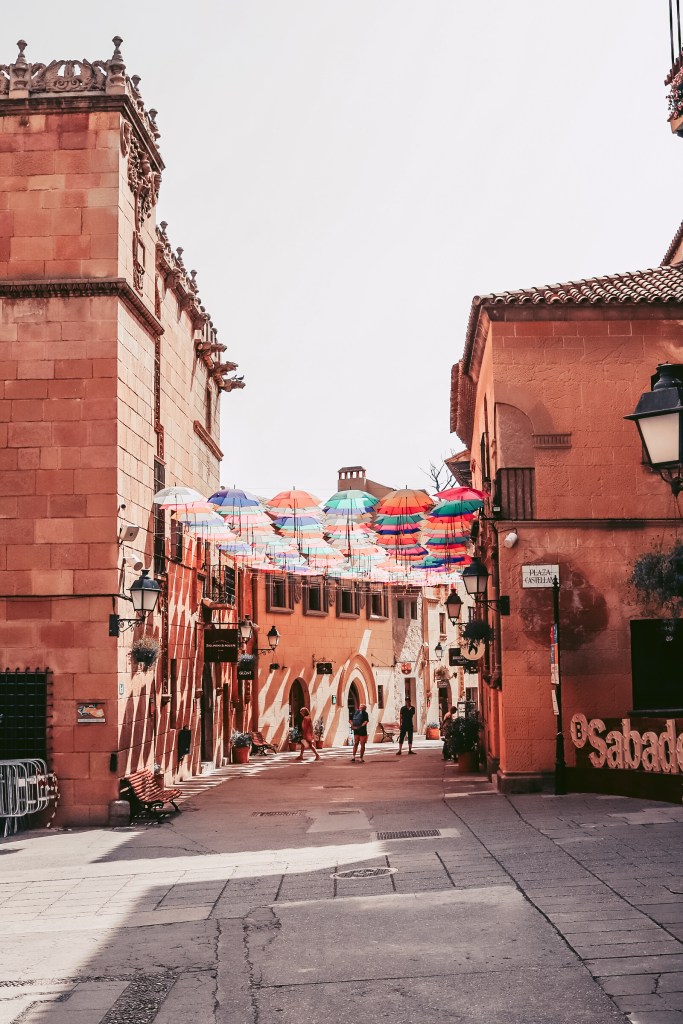
As I walked through the gates of Poble Espanyol, I was immediately transported to a different era. The village is a mosaic of architectural styles, meticulously recreating traditional buildings from all corners of Spain. From the whitewashed houses of Andalusia to the sturdy stone structures of Galicia, every corner of Poble Espanyol tells a story.
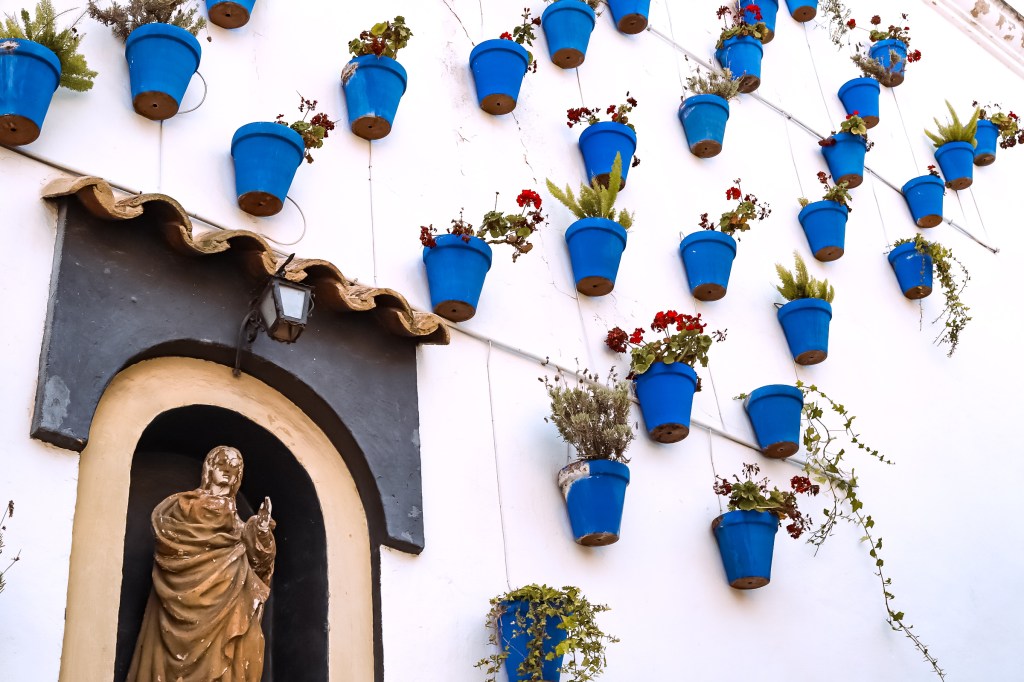
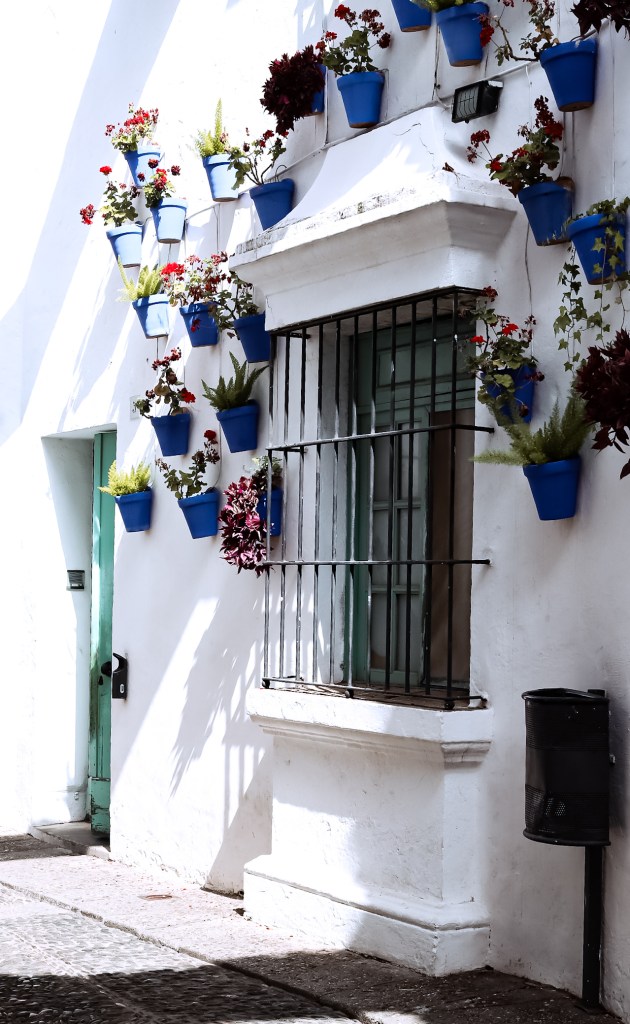
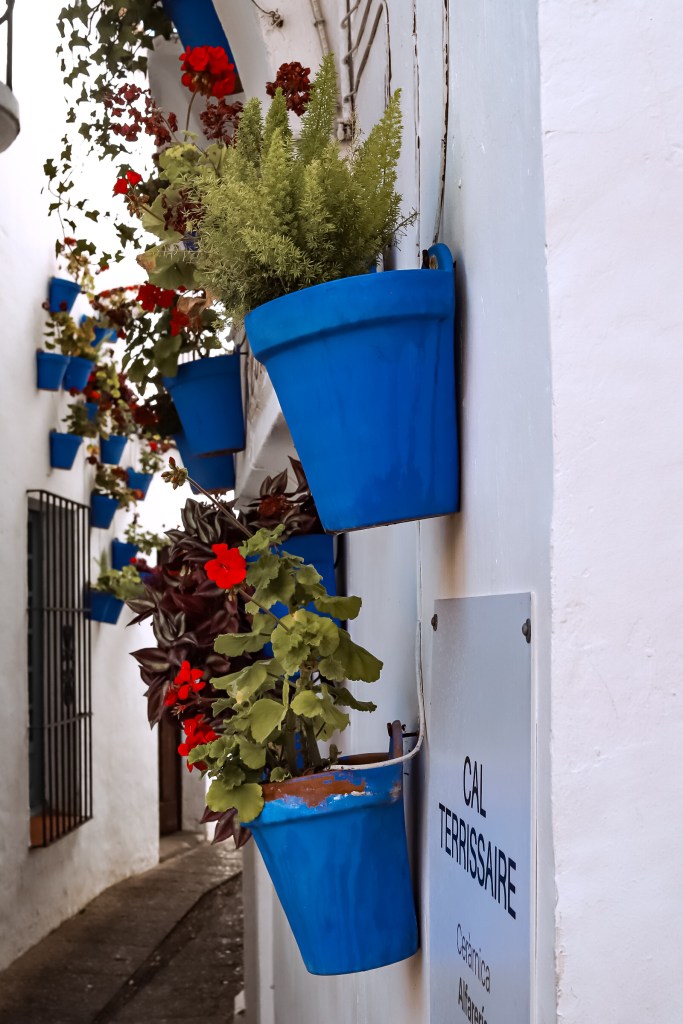
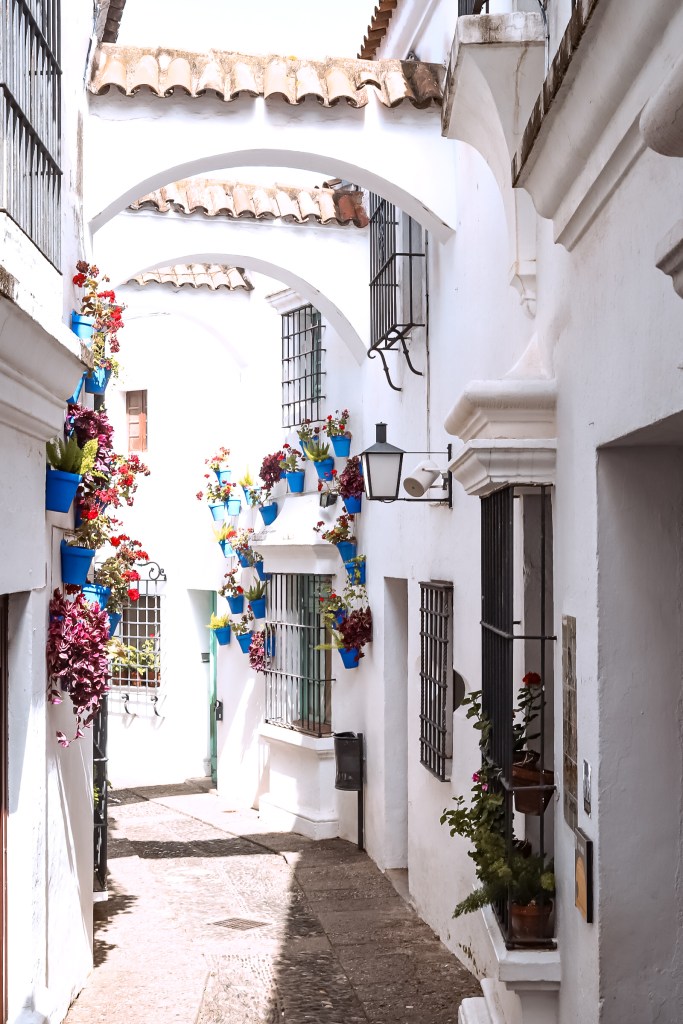
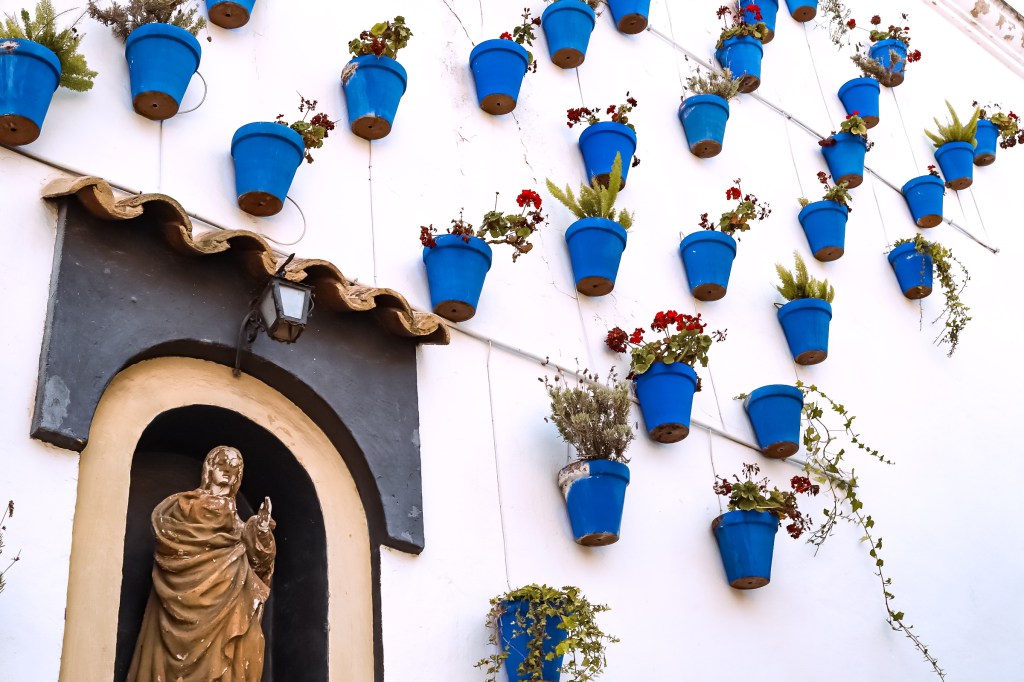
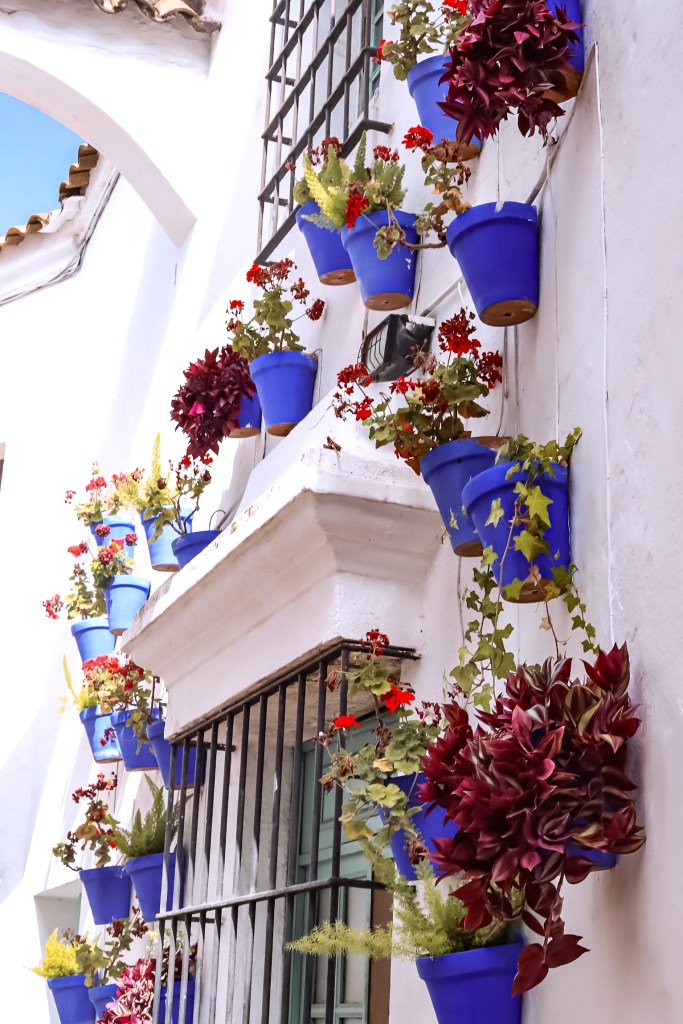
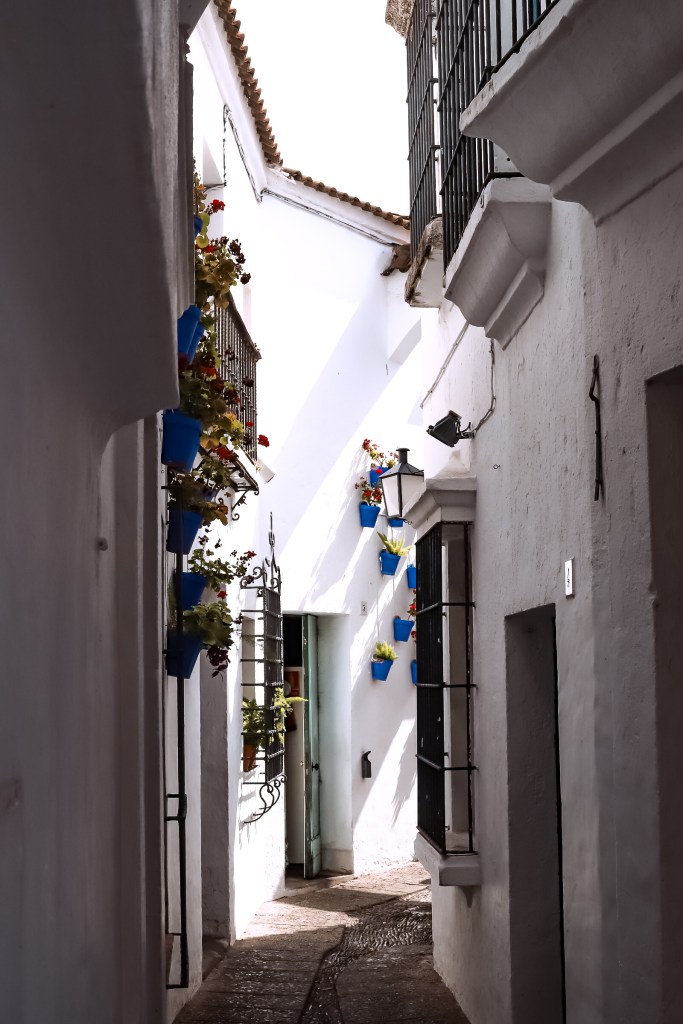
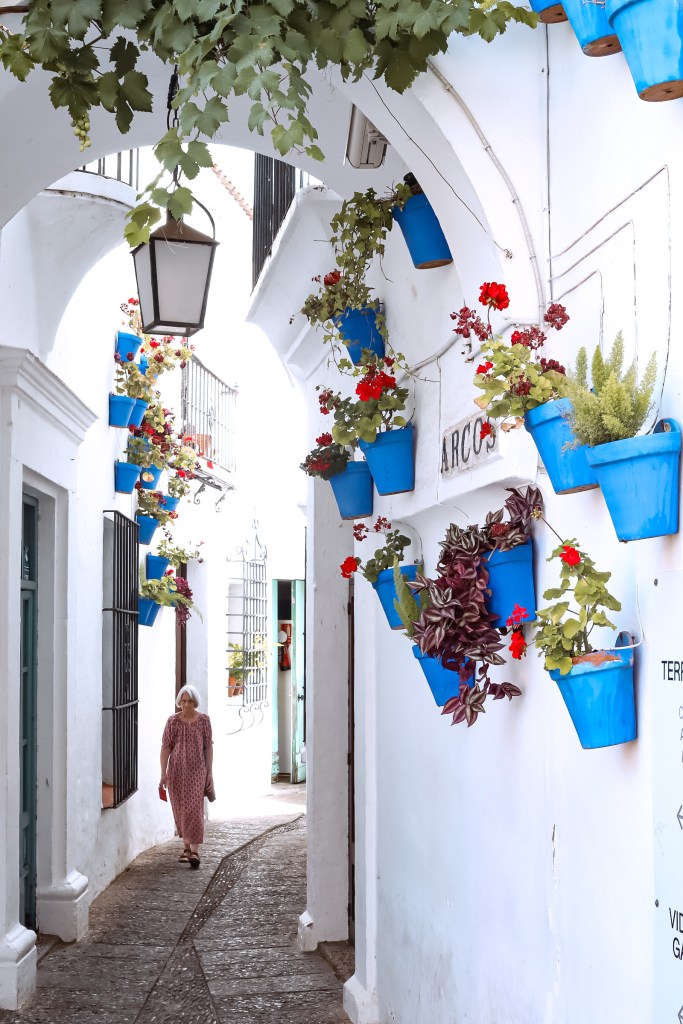
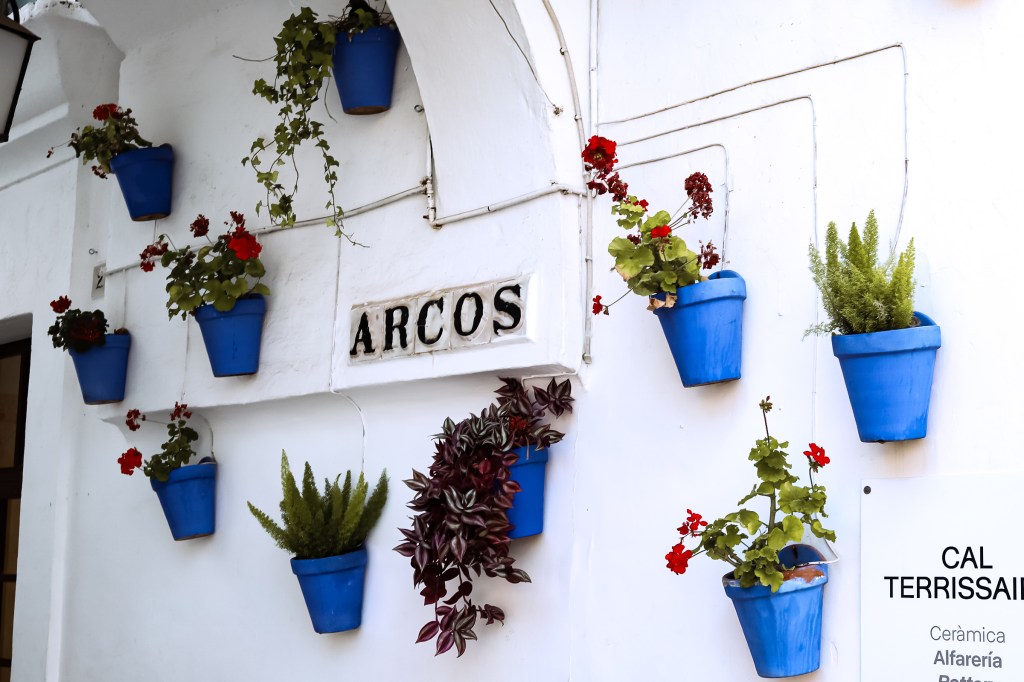
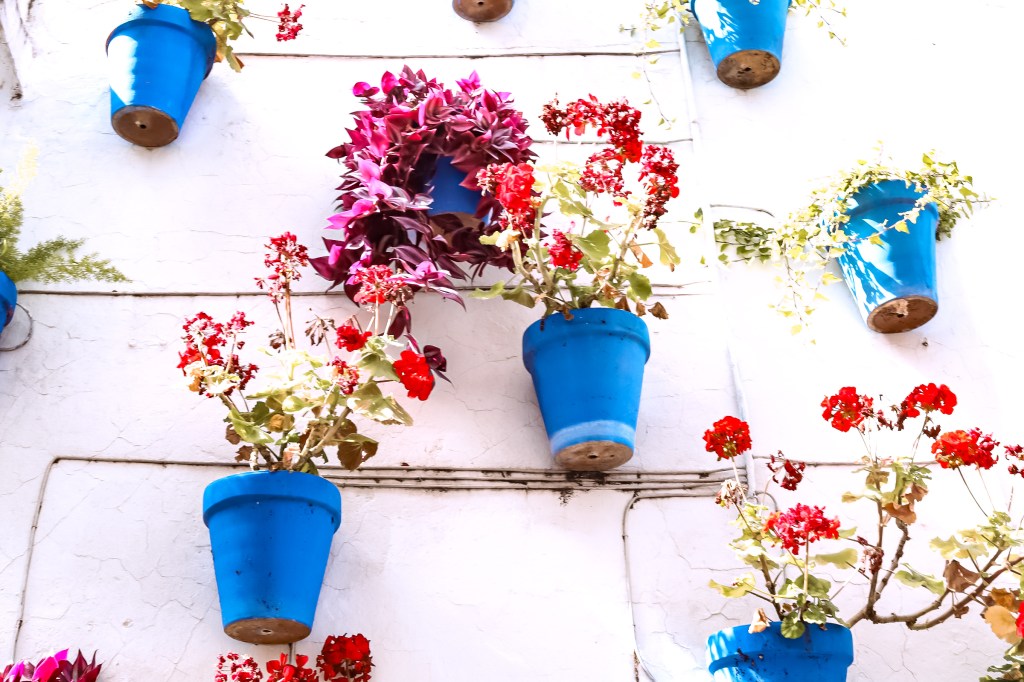
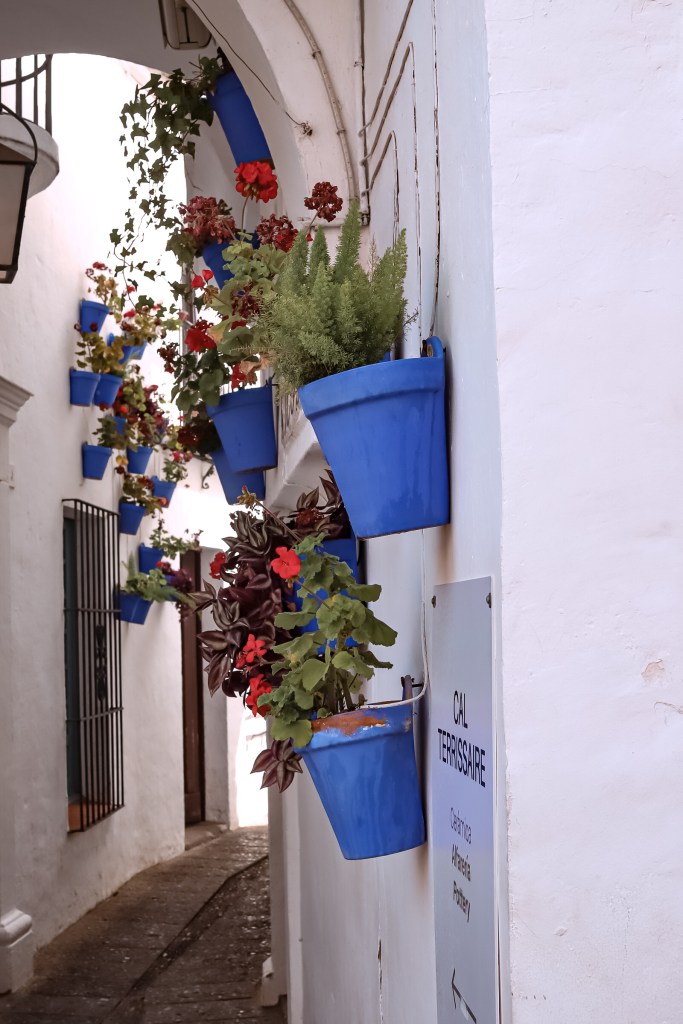
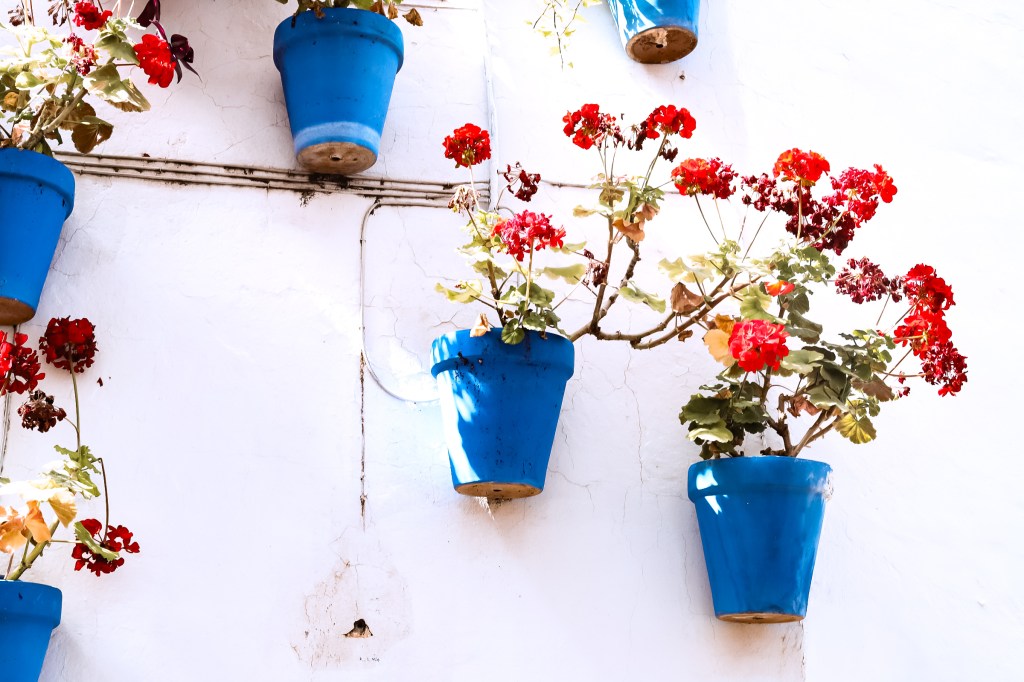
The journey began with a stroll down the narrow, cobblestone streets of the Andalusian quarter. Here, the white façades adorned with vibrant flowers in hanging pots recalled the charming villages of southern Spain. The attention to detail was astonishing; it felt like I had been whisked away to a different part of the country.
Next, I found myself in the Castilian quarter, where grand stone buildings and majestic plazas dominated the scene. The influence of Castile’s historical and cultural significance was evident in the architecture, with its imposing churches and stately homes. I marveled at the intricate stone carvings and wrought-iron balconies, each one a testament to the craftsmanship of a bygone era.
One of the highlights of my visit was the Galician section, where the sturdy granite houses stood as a tribute to the rugged beauty of Spain’s northwestern coast. The rustic charm of these buildings, with their distinctive slate roofs and quaint courtyards, made for a picturesque and serene environment. It was easy to imagine the quiet life of a Galician village surrounded by lush greenery and the sound of distant bagpipes.
The journey through Poble Espanyol also took me to the Balearic Islands, represented by Mediterranean-style houses with terracotta roofs and open-air patios. This area exuded a relaxed, coastal vibe, starkly contrasting the more austere styles in other parts of the village.
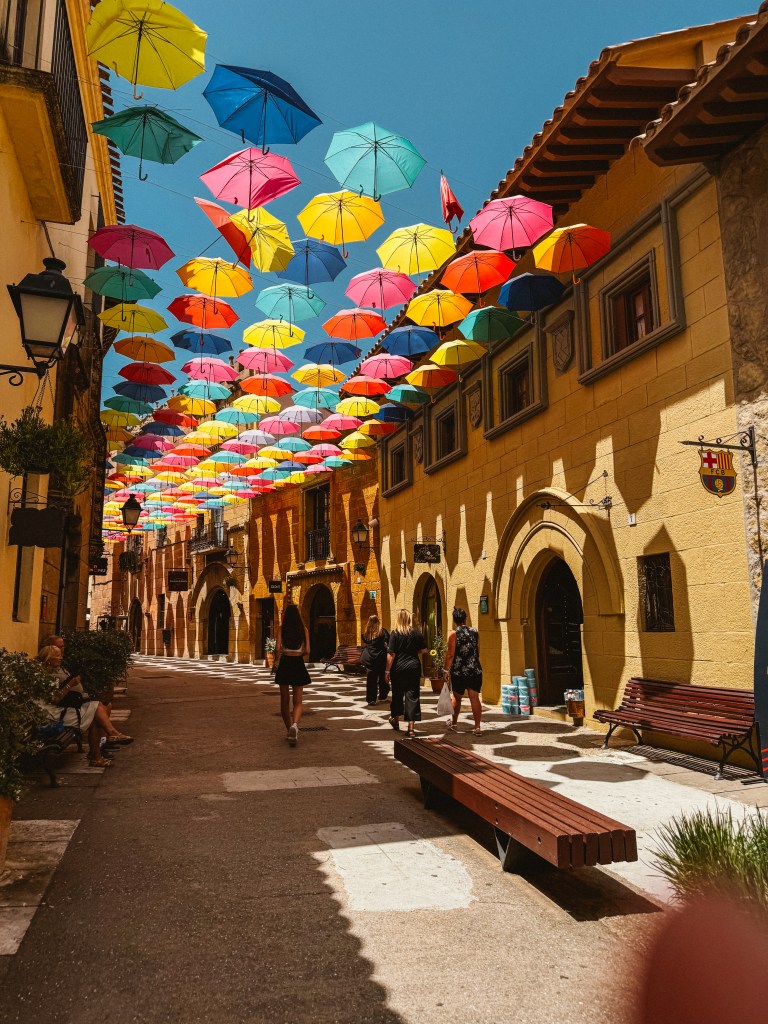

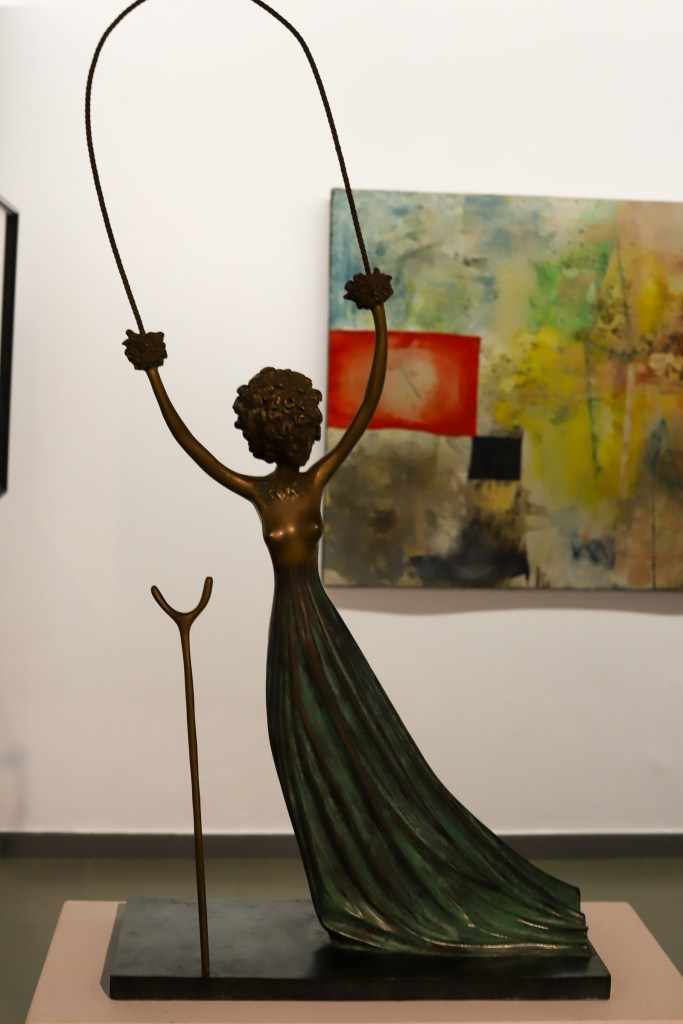
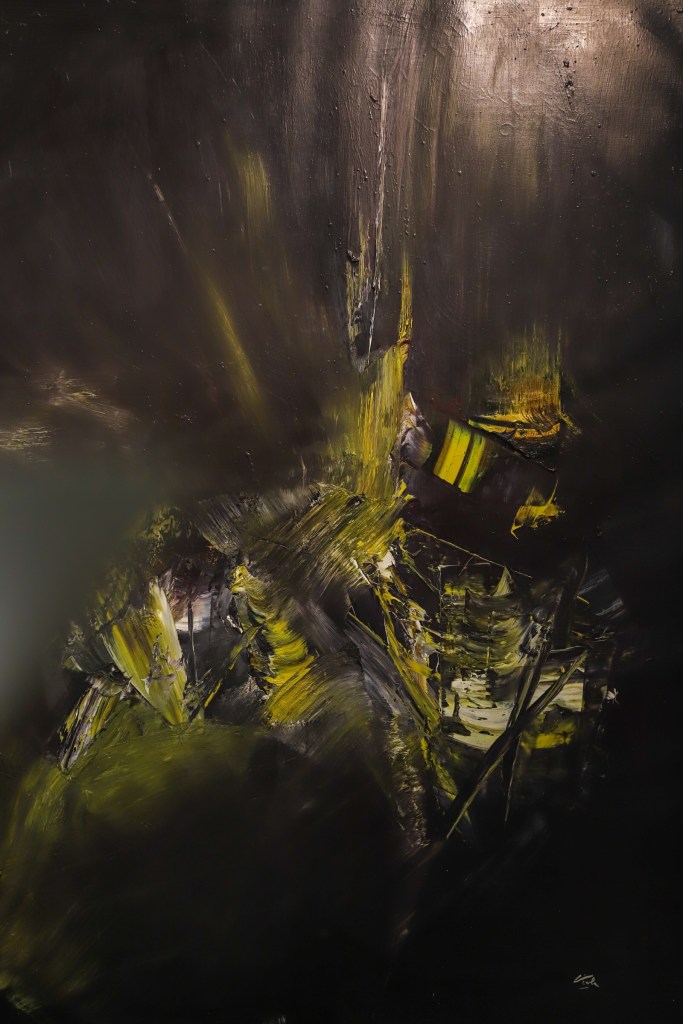
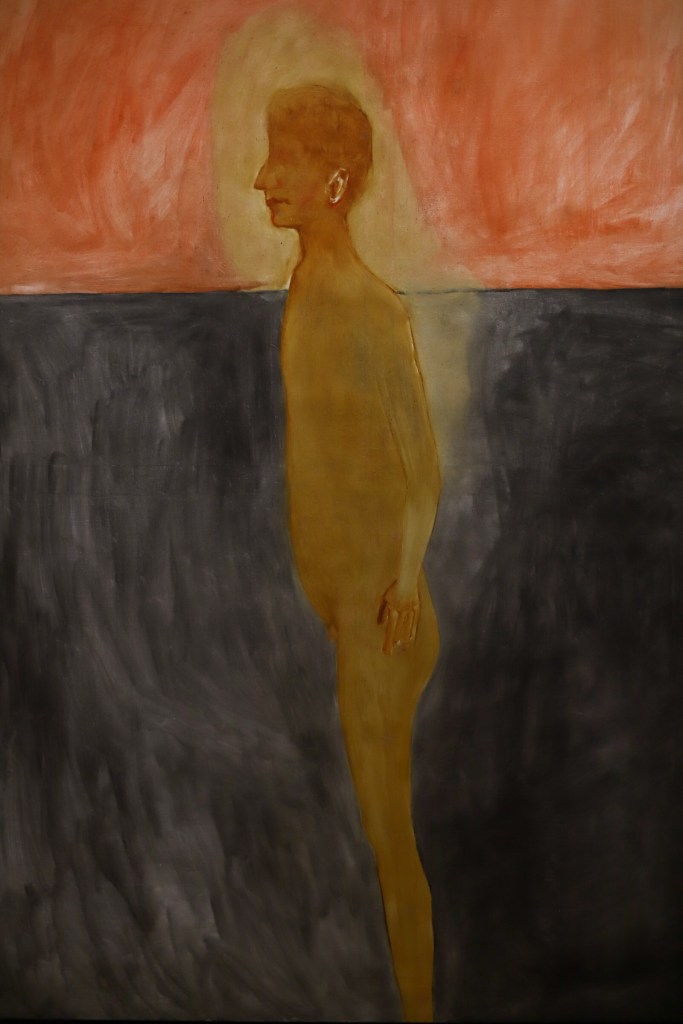
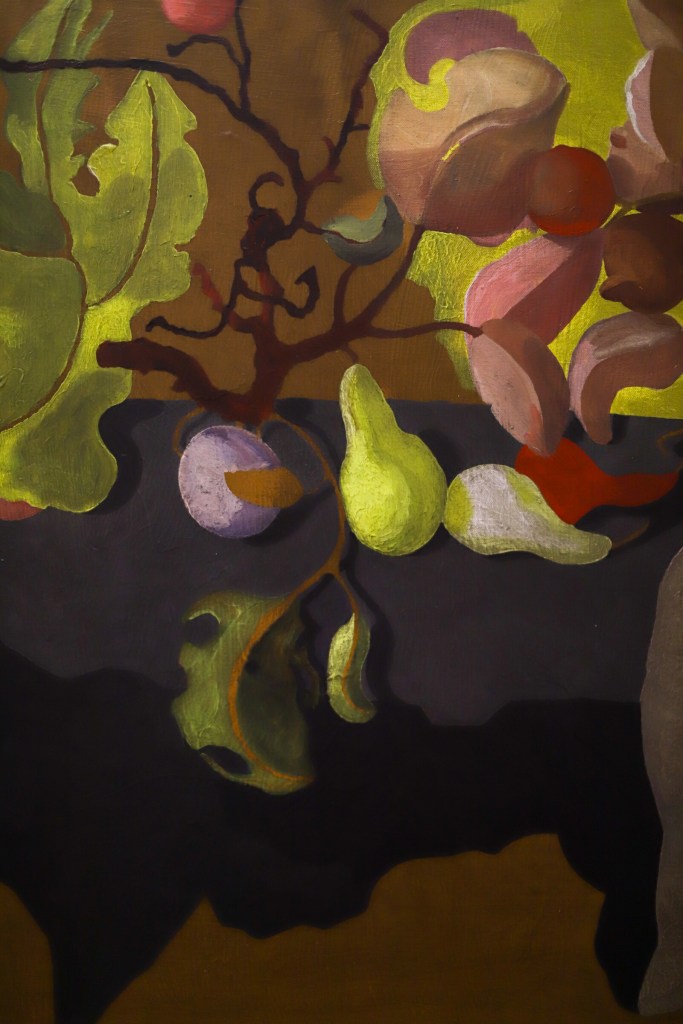
Nestled within the enchanting village of Poble Espanyol is the Museum of Modern Art, a hidden gem that showcases a rich collection of contemporary Spanish art. This museum, with its sleek and modern interior, stands in beautiful contrast to the village’s traditional architecture. It features works from some of Spain’s most renowned contemporary artists, offering visitors a journey through the evolution of Spanish art from the 20th century to the present day. As I wandered through the galleries, I was captivated by the vibrant paintings, innovative sculptures, and thought-provoking installations, each reflecting modern Spanish culture’s dynamic and diverse nature. I was also quite enchanted by the air conditioning! It’s been a ridiculously hot trip so far!

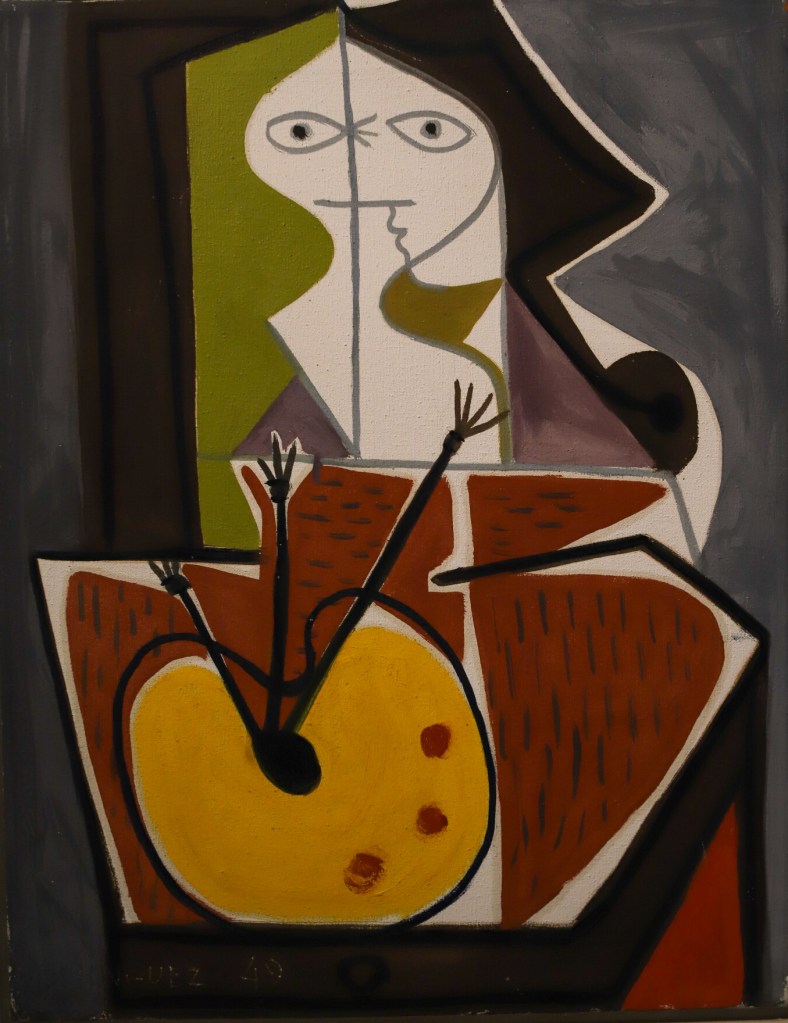
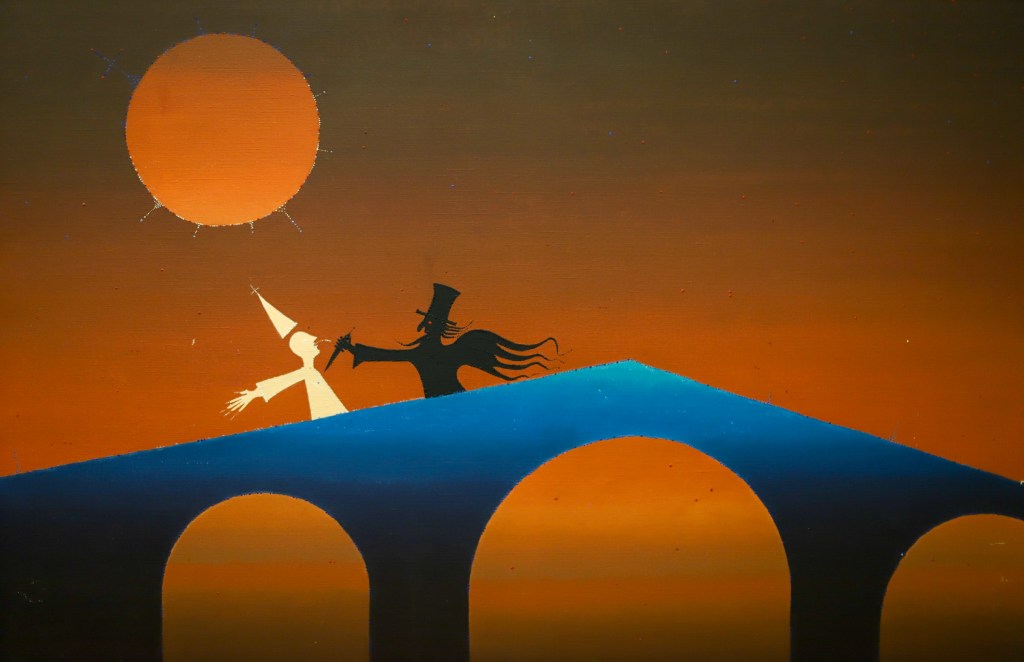

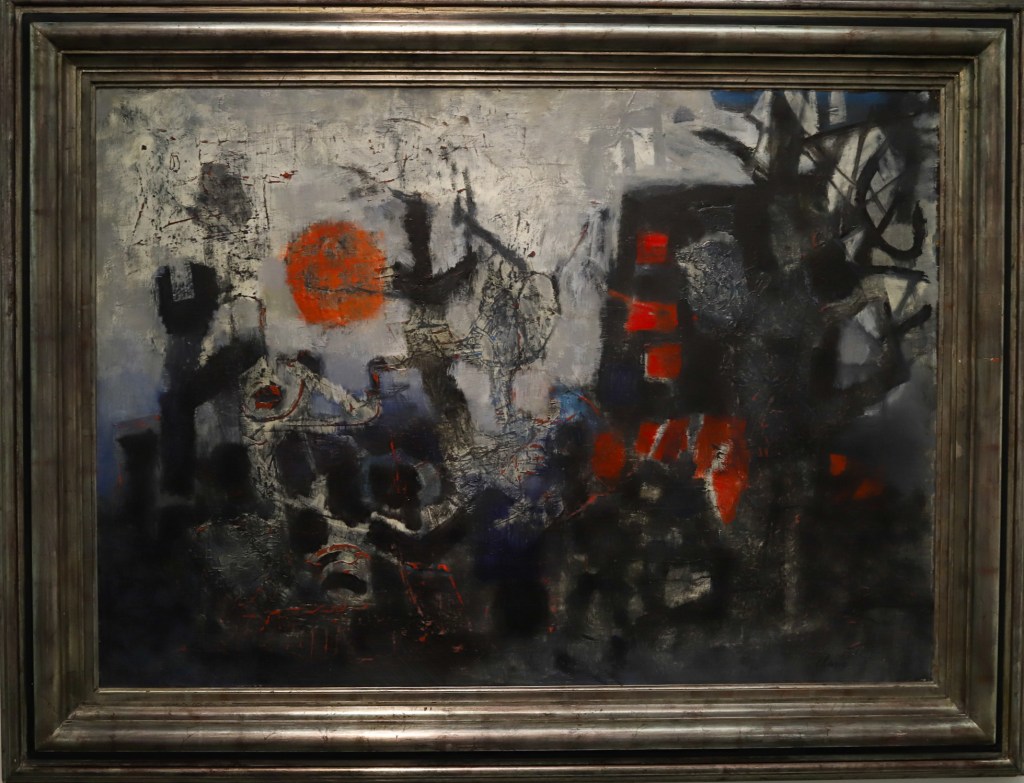
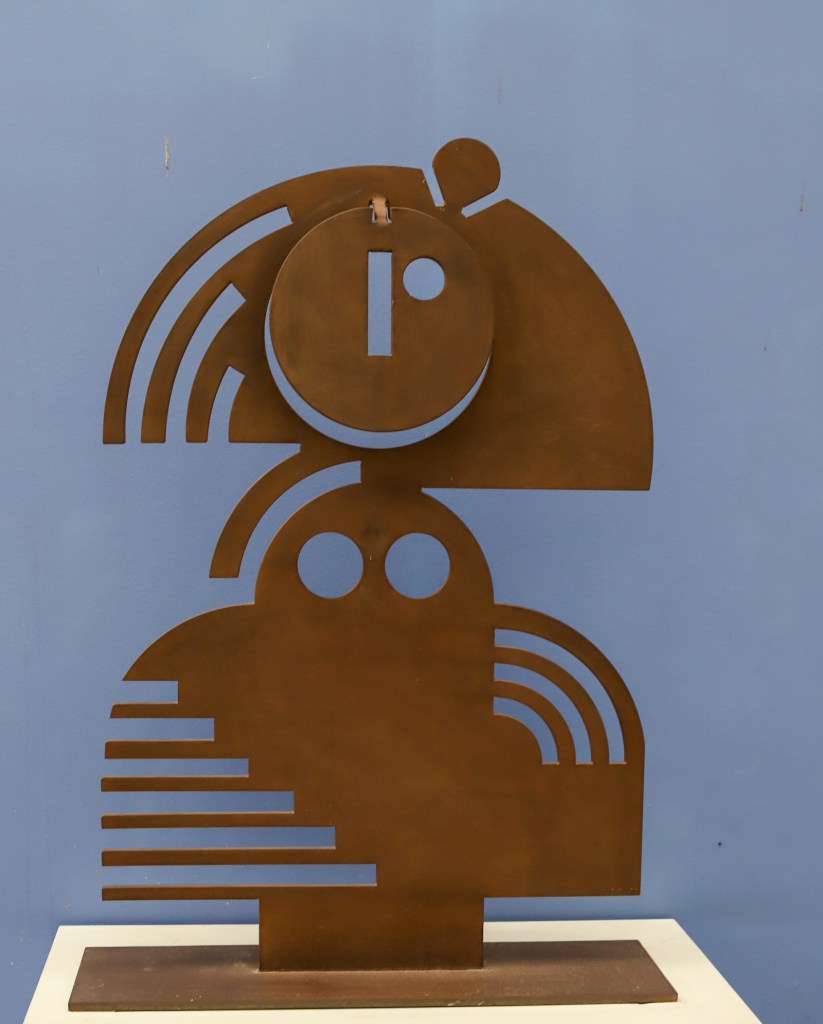
Each section of Poble Espanyol highlighted architectural styles and offered cultural insights through various exhibitions and artisan workshops. I watched a skilled glassblower create delicate figurines; a craft passed down through generations. The village has many artisans who keep traditional crafts alive, offering a tangible connection to Spain’s cultural heritage.
My visit to Poble Espanyol was more than just a walk through an architectural exhibit; it was a journey through time and tradition. Each turn revealed a new story and a piece of Spain’s rich tapestry. Traveling alone allowed me to immerse myself fully in the experience, take in the details at my own pace, and reflect on the diverse influences that have shaped this beautiful country.
For anyone visiting Barcelona, Poble Espanyol is a must-see. It is a place where you can experience the soul of Spain without leaving the city. Whether you are an architecture enthusiast, a history buff, or a curious traveler like me, this village offers a unique and enriching experience.
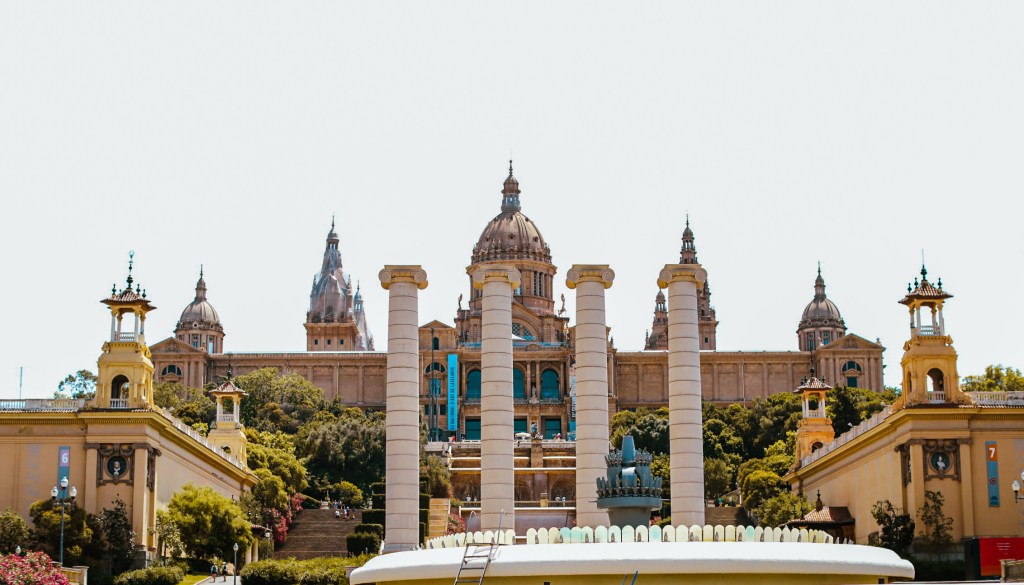
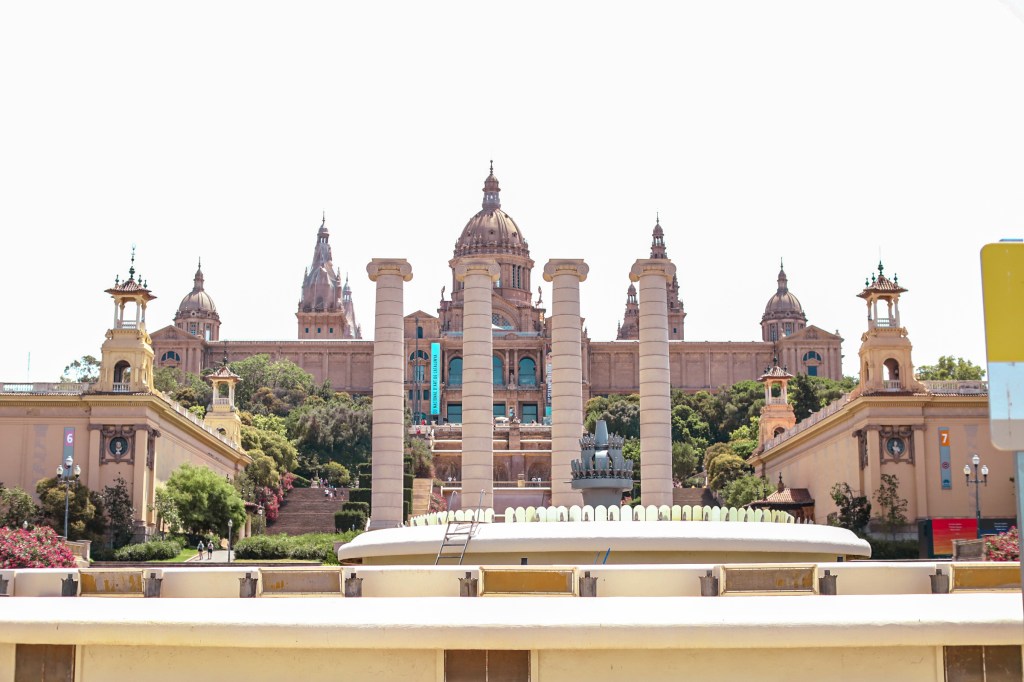
As I left Poble Espanyol, I felt a deep appreciation for Spain’s cultural diversity and architectural beauty. As I walked down the hill from Poble Espanyol towards the Museum of Catalan, I thought about my solo journey through this enchanting village, which reminded me of why I love to travel alone: the freedom to explore, discover, and connect with the world on my terms. Until the next adventure, happy travels!
 She Travels Alone
What are your thoughts?